-

What does the air layering propagation method for azaleas mean?
The "air layering" propagation method for azaleas is also called the plastic bag air layering method: First, choose any part of a vigorous 1-3 year old branch. The length of the girdled ring section can be determined by the thickness of the branch. If the branch is about as thick as a chopstick, the length of bark to be removed can be 0.5-1 cm; for slightly thinner branches, the length can be shorter. For the peeling tool, you can use the nail of your right thumb: after selecting the spot, gently scrape from top to bottom, or use a small knife to score a ring at the upper and lower ends, then gently peel off the bark.
-
How should the water layer be regulated at different growth stages of shallow-water lotus root?
The suitable water level for shallow-water lotus root is 10-20 cm, and the maximum water depth it can tolerate is 50 cm. In cultivation, the water layer must be well regulated according to the different growth stages of shallow-water lotus root. The general principle of water layer management for shallow-water lotus root is shallow at the front, deep in the middle, and shallow at the back. After planting the lotus root, when the standing leaves appear, maintain a shallow water layer of 4-7 cm to increase soil temperature and promote sprouting. As the stems and leaves grow vigorously, gradually deepen the water layer to 12-15 cm. After the terminal leaves appear, the plant begins to form lotus root, and the water layer is gradually lowered to a depth of 4-7 cm to promote lotus root formation.
-
Asexual Propagation and Seedling Methods for Schisandra: A Detailed Guide to Layering Techniques
Layering is one of the oldest propagation methods created by the working people of our country. Its characteristic is that a portion of a branch still attached to the mother plant is bent down into the ground, causing the branch to root and produce a new individual. Its advantages are that the seedling has ample nutrients during the growing period, is easy to survive, grows vigorously, and bears fruit early. Layering is mostly carried out after sprouting in spring, when the new shoots have grown to about 10 cm. First, beside the mother plant intended for layering, dig a 15-20
-
Raising pigs and chickens in a layered, combined system yields high profits and is worth learning from for farmers.
It is reported that this good method of raising pigs and chickens in a layered, combined system was first promoted and used in rural areas across Shanxi in 1998. Seven years later, this rearing method has been widely promoted in most rural areas of our country and has achieved good economic and social benefits. According to farmers using the combined pig-chicken system, in a combined pig-chicken house of about 32 sq m, using the raised-bed cage method (chickens on the upper layer, pigs on the lower layer), the upper layer can raise about 180 to 200 laying hens, and the lower layer can raise 6 to 8 fattening pigs (or 10 to 15 piglets), with the pigs directly pecking at and eating fresh chicken manure.
-
Detailed Explanation of Air Layering Propagation Methods and Technical Key Points for Southern Magnolia
1. Items needed: potting soil (by volume, the ratio of garden soil, moss, and aged rice husk ash is 1:0.5:1, mixed with water until it forms a ball when squeezed by hand, with a slight water mark showing but not dripping); pruning shears; grafting knife; plastic film (30 cm long, 25 cm wide); small coir rope, etc. 2. Mother tree selection: choose a mature tree 160-200 cm tall (for ease of operation), growing vigorously with relatively dense branching. 3. Layering time: early April to early May is most
-
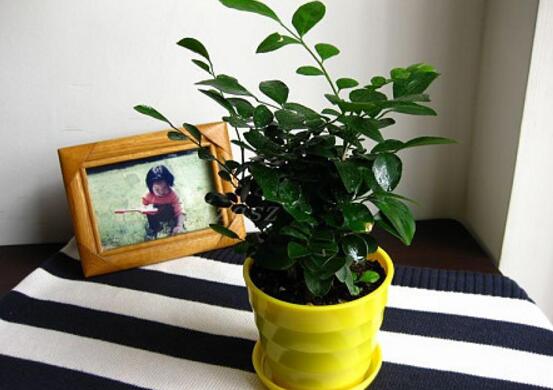
How to propagate Murraya paniculata? Three propagation methods, with layering offering a high survival rate
Murraya paniculata, an ornamental plant with a graceful form and a rich floral fragrance, is deeply loved by gardening enthusiasts. And because Murraya paniculata has many effects and uses, especially its medicinal value in treating various diseases, it has been widely propagated. So how do you propagate Murraya paniculata? According to what I know
-

How to Propagate Winter Jasmine? Detailed Guide to Cutting and Layering Methods
Winter jasmine (Jasminum nudiflorum) is famous for being the earliest among all flowers to bloom, and for fading before the other flowers open. It is a plant with a beautiful form and bright flower colors, deeply loved by flower enthusiasts. However, growing just one winter jasmine plant can look a bit sparse even when it blooms, so mastering the propagation methods of winter jasmine is very important. So how do you propagate winter jasmine?
-
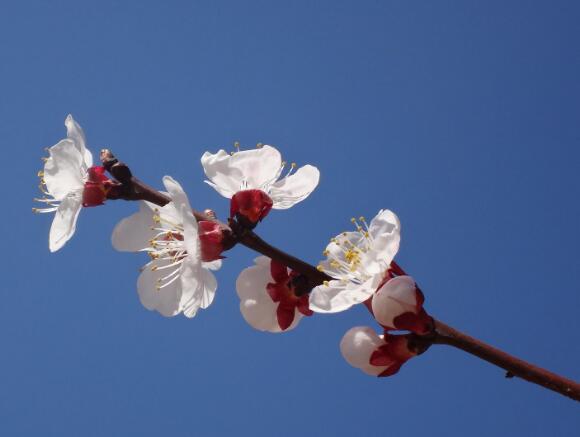
How to propagate plum blossoms? Four methods: sowing, cuttings, grafting and layering
Plum blossom (Prunus mume), ranked first among China's ten famous flowers, is a highly ornamental plant, and many people also grow it at home, so its propagation methods are a question many people care about. How do you propagate plum blossoms, and what propagation methods are there? Let's take a look below.
-
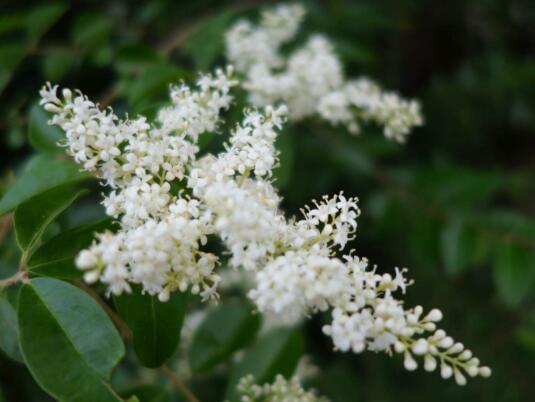
The propagation methods for Aglaia odorata (Chinese perfume plant) include sowing, cuttings and layering.
Aglaia odorata is a highly ornamental flowering plant, and people in many regions of our country grow it. As more people grow it, how to propagate Aglaia odorata has become a question of general interest. Below is a detailed explanation of the propagation methods for Aglaia odorata, let us take a look.
-
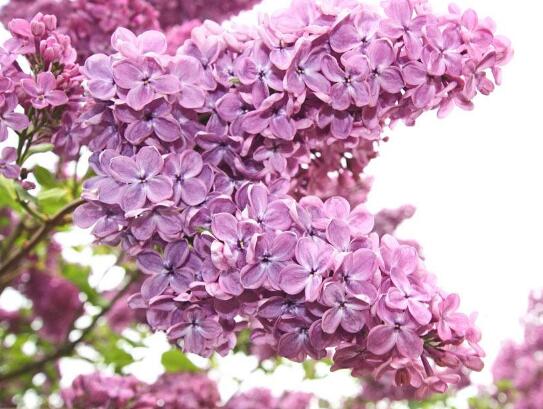
How to Propagate Lilacs? Detailed Guide to Seeding, Cutting and Layering Methods
Lilac is a fairly well-known flower with high ornamental value, and people in every region of our country grow it, so how to propagate lilacs has also become a question people care about. What are the propagation methods for lilacs? Let me walk you through them below.
条件筛选