-
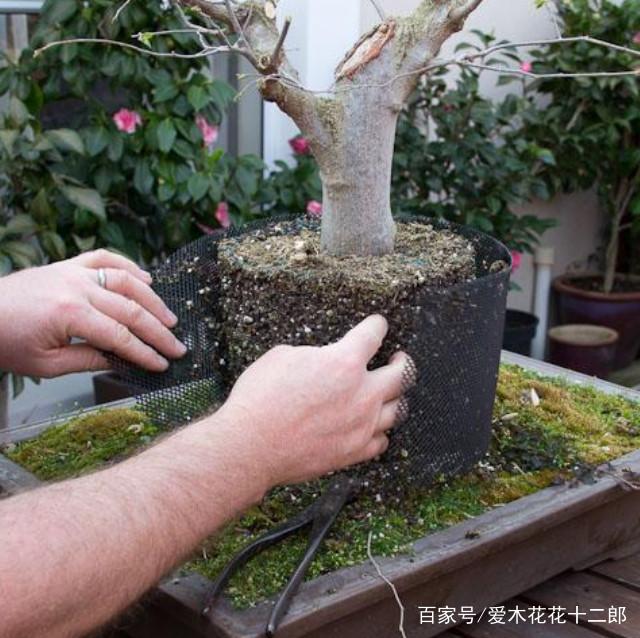
Chinese hackberry bonsai root replacement follow-up: an upgraded air-layering technique
When I talked about this air-layering story earlier, I didn't go into it in depth. Later, I unexpectedly found that this guy had a follow-up report. There's no way around it, so I'll just keep rambling on about this story here. About half a year later, the bonsai artist opened the mesh to check...
-
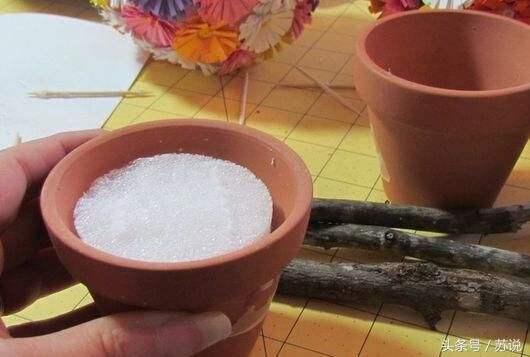
Why is there always a layer of foam at the bottom of flower pots bought from flower shops?
In the flowers we buy from flower shops, we often find a layer of foam padding at the bottom of the pot, and we don't know what it's for, but sometimes we always feel that having foam isn't very good. What is it for, and what does it do? Below I'll share with everyone...
-
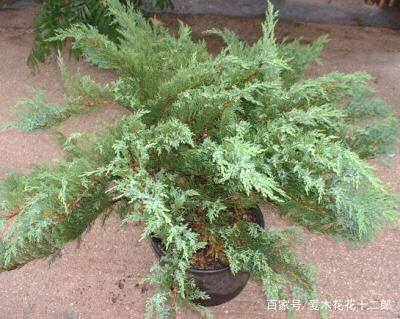
Cypress Bonsai Making: Why, Once It Falls into Human Hands, It Barely Survives Without Losing a Layer of Skin
Sometimes when I watch them make bonsai out of cypress, I really get the feeling that cypress must have some grudge against humans. Once it falls into the clutches of a bonsai artist, it barely survives without losing a layer of skin. No matter the size, no matter whether it is underage, none can escape this fate. In 2002...
-
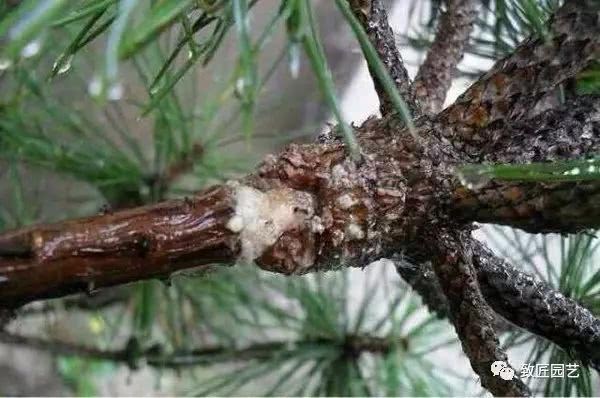
Method for Making a Jungle Bonsai from Black Pine by Ring-Barking and Air Layering
1. Select the material, black pine whorled branches, ring-barking, in the vigorous growth season of April and May. After peeling the bark, place in a cool shaded spot; after one month the cambium has dried (referring to the trunk), and the callus tissue has swollen. 2. Wrap with water moss, moss, or fine sand and the like. 3. After three months...
-
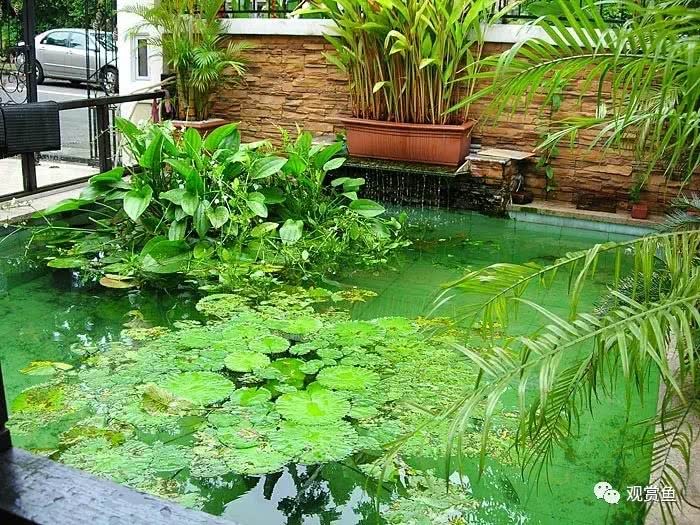
Breeding arowanas in his own backyard pond, this veteran fishkeeper is truly a top-tier player
A veteran fishkeeper in Singapore bred arowanas in a pond he built at home, making him truly a top-tier player! Arowanas are very difficult to breed, and few hobbyists succeed in breeding them on their own, precisely because of the high difficulty of breeding and the ornamental value of the arowana itself...
-
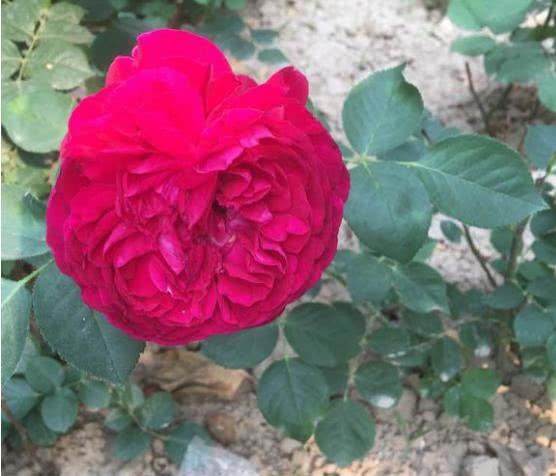
This flower is even more fragrant than perfume, with deep cup-shaped petals layered over and over, and a rich old rose scent.
Introduction: Welcome to "Flower Growing Tips - Good Flower Recommendations" Issue 707. Growing flowers is an excellent hobby, and flowers can also do a great job of decorating the home. Many people now place a potted green plant indoors, and the whole home...
-
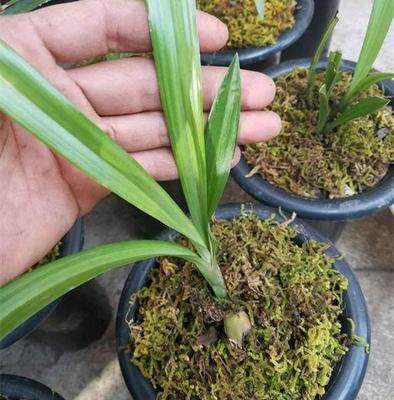
Spider plant layering propagation with all-purpose soil, 1 pot becomes 10 pots in 15 days
Spider plants are a very common household green plant, and many flower lovers like to grow a few spider plants. Once a spider plant produces some plantlets, its ornamental value increases greatly. In fact, the plantlets have another very important use, which is...
-
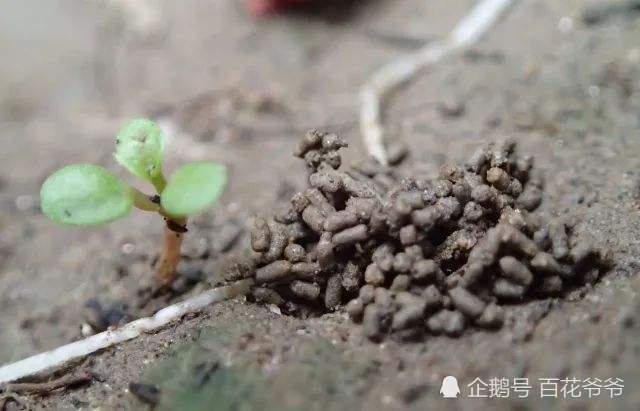
You don't need to buy potting soil - just pick some of this up by the roadside and use it as a drainage layer at the bottom of the pot, and you can grow any flower.
These days, when people buy flowers, they usually pick up a bag of potting soil along with them, just to make their plants grow better at home. Diligent gardeners even make their own potting soil at home, with common examples like fermenting various leaf mold soils, but the waiting time...
-
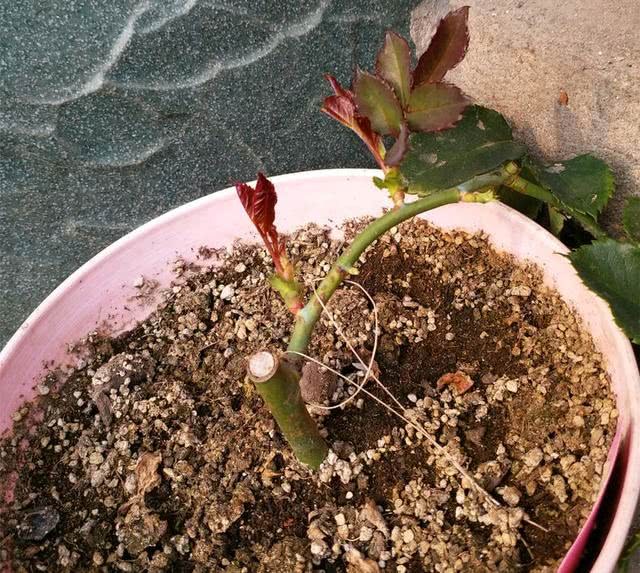
Rose air layering triggers a surge of new shoots: fixes both sparse sprouting and no sprouting
There are several ways to propagate roses: seeds, cuttings, air layering, and "leg" layering. My favorites are still air layering and "leg" layering. Today I will show you what rose "leg" layering is. Rose "leg" layering, also...
-

How to Propagate Magnolia? Detailed Guide to Air Layering
Magnolia is also known as white magnolia, Wangchun, or yulan magnolia. Because its flowers are pure white and dazzlingly bright, it looks extremely beautiful when blooming in mass plantings, and it has high ornamental value. The easiest propagation method for magnolia is air layering, also known as "air layering."
条件筛选