Spider plant layering propagation with all-purpose soil, 1 pot becomes 10 pots in 15 days
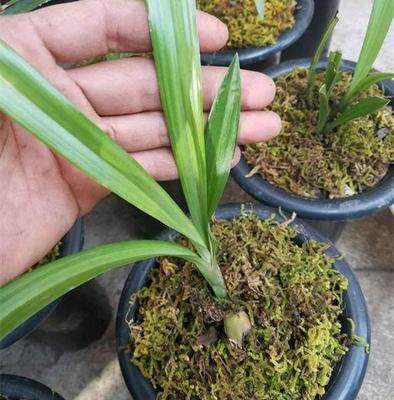
Spider plants are a very common household green plant, and many flower lovers like to grow a few spider plants. Once a spider plant produces some plantlets, its ornamental value increases greatly. In fact, the plantlets have another very important use: they can be used for propagation. Through propagation, we can quickly get many new spider plant specimens. Whether we grow them ourselves or give them to friends, it is a very good choice, and spider plants grown directly from propagation are hardier and easier to keep alive than those bought from the flower market!
Today let's talk about a very simple propagation method for spider plants, which is layering propagation! But we need to use a very interesting potting soil, which we call "all-purpose soil"!
Layering propagation of spider plantlets is very simple. Our method is to directly press the plantlet's runner into another pot of soil, weigh it down slightly with a heavy object, and let the plantlet take root and sprout directly in the new soil!
First, let's talk about how to make our "all-purpose soil." Strictly speaking, this soil cannot really be considered dirt; it is made by mixing pine needles and moss. Mix rotted pine needles and moss peat directly at a 1:1 ratio, then put the mix into a small pot, water it, and it can be used directly as the "all-purpose soil" for propagation.
This soil has many advantages. Because it contains rotted pine needles, it is a very good organic fertilizer rich in phosphorus and potassium, which is very beneficial for the rooting and sprouting of spider plantlets! Moss is also very useful. Moss peat is made up of the many tiny roots of moss, and moss itself is very small. Moss peat is very loose and soft and has quite good water retention. After watering just once, it can stay moist for a long time, which is also very favorable for the rooting and sprouting of spider plantlets, and we don't need to worry about a lack of water!
Pine needles and moss are both materials with lots of gaps, and their air permeability is also very good. Whether for propagating spider plants or propagating other flowers, we can use this soil. Why do we call this soil all-purpose soil? Because this soil is not only used for propagation; almost every kind of plant can grow in this soil, and it does better than ordinary soil. Whether in air permeability, water permeability, or fertility, it is a top choice!
With layering propagation like this, we can quickly get new spider plant specimens. If your spider plant has 10 plantlet runners, you can directly propagate 10 new spider plant specimens. This is truly 1 pot becoming 10 pots! And this propagation method takes very little time. In only 15 days we can see the plantlets rooting. As long as they have rooted, we can directly cut the spider plant's runner, and the plantlet becomes an independent new specimen!
Friends, have you ever used this all-purpose soil? If you also have spider plants that need propagating, you might as well give this method a try!