-

How to Propagate Four-Season Osmanthus? A Few Common Methods Explained
Four-season osmanthus is also known as month-month laurel; its flowers are slightly white or pale yellow, the fragrance is relatively faint, the leaves are thin, and it blooms in autumn. So how is four-season osmanthus propagated? How to propagate four-season osmanthus? 1. Softwood cuttings: Select a superior mother plant with good variety, vigorous growth, and no pests or diseases for taking cuttings, and cut semi-lignified current-year softwood shoots from the outer upper part of the canopy as cuttings. When preparing the cuttings, cut them into 2-3cm lengths and keep 1-2 leaves at the top. Cut the upper end of the shoot into a flat cut and carve the base into a slanted surface; the slanted surface should be smooth to facilitate insertion and callus rooting. Soak the shoots in 0.1% thiophanate-methyl or carbendazim for 10min to disinfect. Then dip the base into a 50mg naphthaleneacetic acid solution or 100mg ABT rooting powder No. 1 solution, remove after 1h and insert, or soak in 200mg naphthaleneacetic acid for 10min and then insert.
-
How to grow potted laurel and points to note
Four-season osmanthus is a variety of osmanthus in the genus Osmanthus, also known as monthly osmanthus, laurel, etc. It is an evergreen small tree or shrub in the Oleaceae family, genus Osmanthus, and its biggest difference from other osmanthus varieties is that it blooms all year round. Now let us take a look together at how to grow potted laurel!
-
How to Grow Cherries? Detailed Explanation of Methods and Key Techniques
Cherries include the Cerasus subgenus, the sour cherry subgenus, the cherry laurel subgenus, and others. They are rich in sugar, protein, vitamins, and various elements such as calcium, iron, phosphorus, and potassium. So how do you grow cherries? 1. Choosing the environment and soil. Cherry cultivation requires a location that is sheltered from the wind, has good air circulation, loose soil, and slow temperature changes, because cherries are afraid of waterlogging and are not drought-tolerant, and they are easily blown over by wind. Generally, choose a sunny, wind-sheltered slope with good drainage.
-
A Detailed Guide to the Latest Pruning Methods for the Peace Tree
The peace tree (Cinnamomum kotoense) is an evergreen foliage plant of the genus Cinnamomum in the laurel family, and it carries the meaning of peace and safety. Many people like to grow it, but over time its plant shape gradually changes: first, the lower leaves gradually become fewer, and second, its height and spread increase. So some flower enthusiasts want to prune their peace tree, but
-
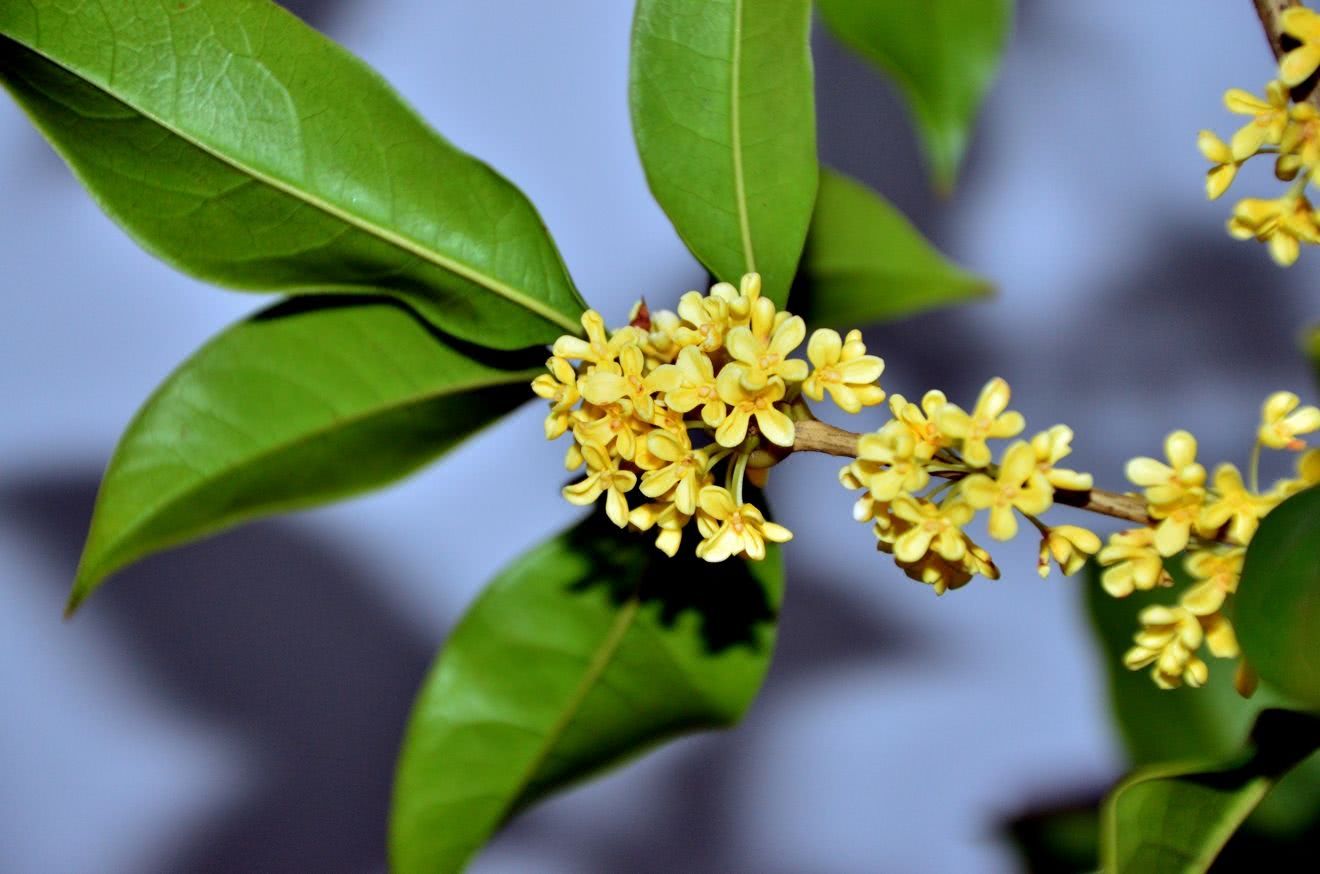
The Legend of the Laurel Tree: Apollo's Love Buried in a Sorrowful Crown of Bay Leaves
The laurel tree refers to a tree from eastern India with reddish-brown bark and a dark brown hue, featuring winding, curled grain and tough wood. It is a subtropical species native to the Mediterranean region, and is widely cultivated in gardens in Jiangsu, Zhejiang, Taiwan, China, Fujian...
-
Detailed Guide to Propagating Red-Backed Laurel by Cuttings, Even Beginners Can Learn
I. Best Time for Cuttings: The best time is before the spring buds begin to sprout. During this period, the branches are rich in hormones and have accumulated plenty of nutrients. After planting, as the temperature rises, the cuttings quickly form callus tissue. If this timing is missed, cuttings can be taken from late July to mid-August, after the spring shoots stop growing and before the flower buds and autumn shoots begin to sprout.
-
How to Grow Red-backed Chinese Laurel? A Detailed Guide to Cultivation Methods
Temperature: Red-backed Chinese Laurel (Excoecaria cochinchinensis) is a subtropical plant and is not cold-hardy. The suitable growing temperature is between 15-25°C, and the overwintering temperature must not be lower than 5°C. Light: It tolerates partial shade and prefers scattered light; strong direct sunlight exposure must be avoided. In summer, it needs to be placed in a shaded and well-ventilated spot, which helps maintain the deep green color of its leaves.
-
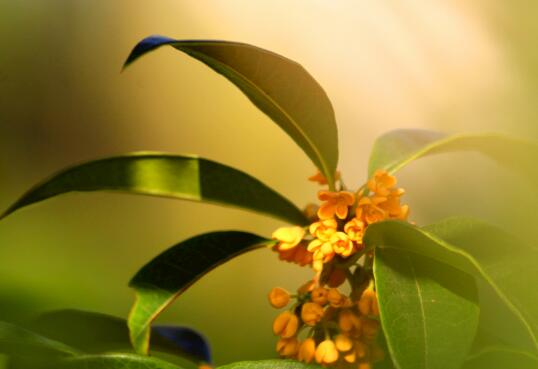
Bay Laurel: Benefits and Uses - A Beautiful Plant Whose Flowers, Fruits, and Roots Can Be Used as Medicine
Bay laurel (Laurus nobilis) is a fairly common flowering plant in people's lives, with high ornamental value, and many people cultivate it in various places. However, besides being used for ornamental purposes, it also has many other uses. What exactly are the benefits and uses of bay laurel? Let's take a look below.
-
Leaf scorch on Japanese aralia (Fatsia japonica), spotted laurel (Aucuba japonica 'Variegata'), and rhododendron
Japanese aralia and spotted laurel are shade-loving plants that cannot tolerate strong sunlight. The scorching sun of midsummer often severely burns their young leaves, causing the young leaves to curl, turn yellow, and wither, or the leaves to scorch, seriously affecting plant growth. Certain pathogenic fungi then seize the opportunity to invade, further causing infectious diseases, and now fungal fruiting bodies can be seen on some of the lesions. Rhododendron is a semi-shade-loving plant, and the cause of its leaf scorch is similar to the above. Young leaves are more severely affected, and this disease causes a large amount of abnormal leaf drop in the plants. Control methods: (1) Because midsummer often brings sudden, relatively strong wind and rain,
-
What are the cultivation methods and flower meaning of the laurel tree?
Laurel tree cultivation Laurel tree flower meaning
条件筛选