-
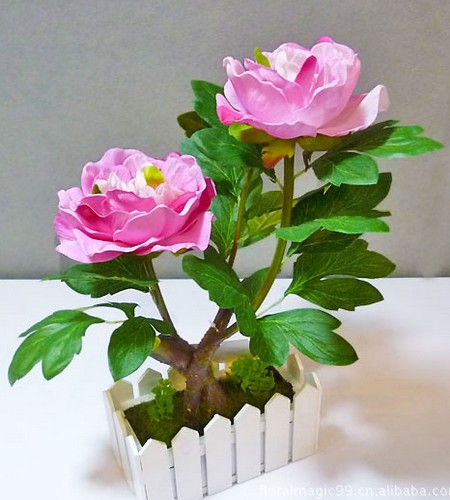
The Complete Guide to the Flower Language and Symbolic Meanings of the Peony
The peony is a famous traditional Chinese flower. It is elegant and charming, noble and luxurious, combining the beauty of color, fragrance, and grace, and it captivates people. Throughout history, many poets have written poems praising it. For example, a Tang poem praises it: "Its fine name is called the King of a Hundred Flowers." And in the Song ci "On the Love of the Lotus," it is written: "The peony is the rich and noble one among flowers."
-
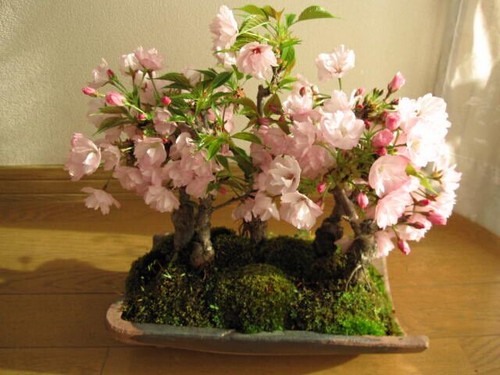
The Symbolism and Flower Language of Cherry Blossoms Explained
The life of a cherry blossom is very short. There is a folk saying: "cherry blossoms last 7 days," meaning that a single cherry blossom takes about 7 days from opening to withering, and the entire tree takes about 16 days from blooming to fully fading, creating the characteristic of blooming and falling at the same time. It is precisely this trait that gives cherry blossoms such great charm.
-
Peony Symbolism and Flower Language in the World Flower Language Encyclopedia
The peony is a traditional famous flower of China. It is elegant and charming, noble and magnificent, combining the beauty of color, fragrance, and charm, captivating all who see it. Throughout history, many poets have written poems in its praise. For example, a Tang dynasty poem praised it: "A fine name calls it the king of a hundred flowers." Also, in the Song dynasty ci poem "On the Love of the Lotus," it is written: "The peony is the wealthy and noble one among flowers."
-
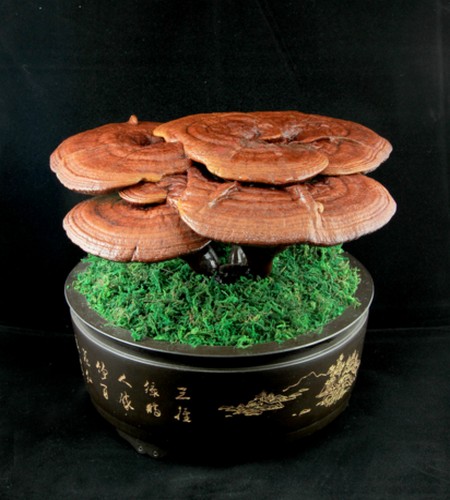
What is the symbolic meaning and flower language of the reishi mushroom?
Reishi mushroom, also known as auspicious Zhi or auspicious herb, is regarded as a divine substance. In ancient legends, eating it could preserve eternal youth, and even lead to immortality. Therefore, it is considered a lucky object. For example, a deer holding reishi mushroom in its mouth represents longevity, and the head of a ruyi scepter is shaped like reishi mushroom to signify good fortune.
-
What is the flower language and symbolic meaning of the lingzhi mushroom?
Lingzhi, also known as Ruizhi or Ruicao, is a legendary immortal substance. In ancient legend, eating it was said to ensure immortality and even entry into the ranks of the immortals. Therefore it is regarded as an auspicious object. For example, a deer holding lingzhi in its mouth represents longevity, and the head of a ruyi scepter is shaped like lingzhi to signify good fortune.
-
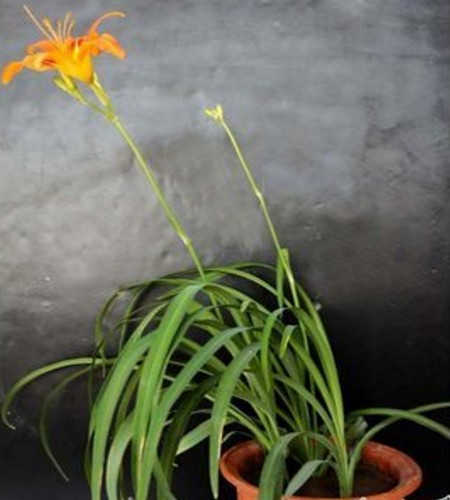
The Language and Symbolism of the Daylily: A Guide to the World's Flower Meanings
The daylily is a plant of the genus Hemerocallis in the family Hemerocallidaceae; under the older Cronquist system it was placed in the Liliaceae family. It has many alternative names, including forget-sorrow grass, yellow flower vegetable, golden needle vegetable, child-bearing grass, sorrow-healing, and deer arrow. Because its buds and stamens have a lemon tint, foreigners call it
-
The Symbolism and Complete Flower Language of the Daylily
The daylily is a plant of the genus Hemerocallis in the family Hemerocallidaceae; under the older Cronquist system it was placed in the Liliaceae family. It has many alternative names, including forget-sorrow grass, yellow flower vegetable, golden needle vegetable, child-bringing grass, sorrow-healing, and deer arrow. Because its buds and stamens have a lemon color, foreigners call it
-
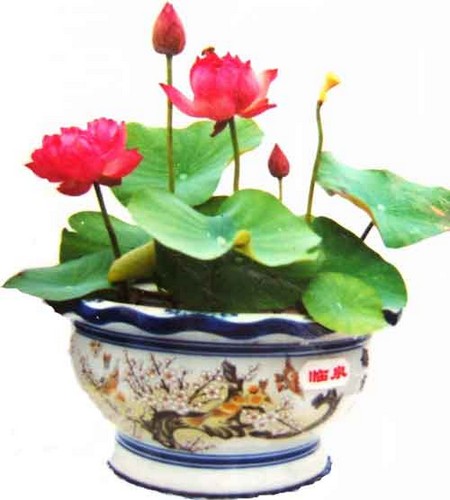
What are the flower language and symbolic meanings of the lotus? The complete guide to flower languages of the world tells you
In Buddhism it is regarded as a symbol of the Western Pure Land, a place where souls are nurtured. Buddha figures are mostly placed upon lotuses, so the Buddha's seat is also called the lotus seat. Poets of past dynasties praised the lotus for emerging from mud unstained, for being in clear ripples yet not seductive, hollow within and straight without, likening the lotus to a gentleman and giving it a holy and pure image.
-
Complete Guide to the Flower Language and Symbolic Meanings of the Lotus and the Sacred Lotus
In Buddhism, it is regarded as a symbol of the Western Pure Land and a place where souls are nurtured. Buddha figures are often placed upon the lotus, so the Buddha's seat is also called the lotus throne. Poets through the ages have praised the lotus for emerging unstained from the mud, for being pure and elegant in the clear ripples, and for being hollow within and straight without; they liken the lotus to a gentleman and ascribe to it a sacred purity.
-
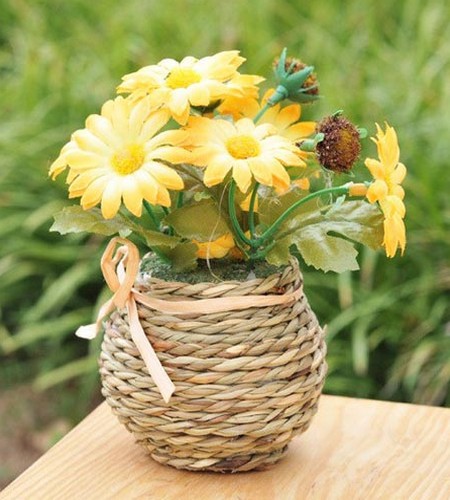
The language and symbolic meaning of the chrysanthemum, a detailed explanation of the world's flower language
A traditional Chinese famous flower. It is graceful and varied, yet does not seek favor with delicate and gorgeous looks, but wins with plain elegance and steadfastness, blooming after the hundred flowers have withered. People love its delicate charm, and even more love its proud spirit that blooms in frost and does not fall in the west wind. China has endowed it with noble and strong
条件筛选