The Language and Symbolism of the Daylily: A Guide to the World's Flower Meanings
The daylily is a plant of the genus Hemerocallis in the family Hemerocallidaceae; under the older Cronquist system it was placed in the Liliaceae family. It has many alternative names, including forget-sorrow grass, yellow flower vegetable, golden needle vegetable, child-bearing grass, sorrow-healing, and deer arrow. Because its buds and stamens have a lemon tint, foreigners call it the “lemon daylily.”
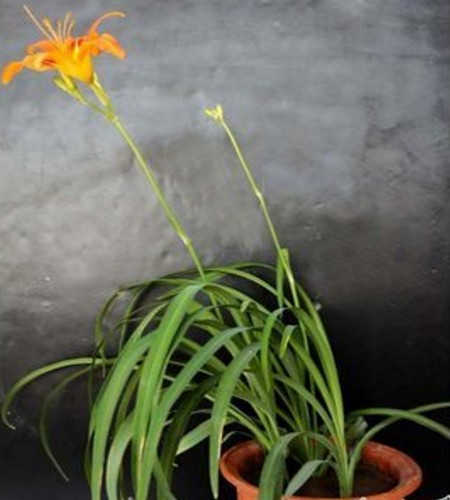
The daylily is also known as yellow flower vegetable. Its leaves grow in clumps and at first glance resemble orchid leaves, and its flowers are funnel-shaped. There are also many varieties. A mother plant produces six to nine flowers, in a thousand shapes and forms. In the eyes of Chinese poets through the ages, the daylily was seen as a flower that helps people forget their worries and dispel sorrow and soothe the mind. Therefore the daylily is also called “forget-sorrow grass.”
I don't know what the daylily looks like, nor how many colors there are, or whether it has any flower meanings or legends. I want something simple and easy to understand! As far as I know, there are yellow, red, pink, orange-yellow and orange-red colors, and I haven't heard of any purple ones.
The daylily is also known as forget-sorrow grass, meaning the hope of forgetting one's sorrows. Used in the context of love, it represents: forgotten love
The daylily flower——China's mother flower:
Long before the carnation became a symbol of motherly love, our country also had a mother flower, and it was the daylily flower.
Flower meanings:
1. Forgotten love; the daylily is also known as forget-sorrow grass, representing “forgetting all unhappy things.”
2. Letting go of him (her), letting go of sorrow.
3. Hidden feelings.
4. The flower meaning of the daylily is the forgetting of love.
Only the yellow one, which resembles a lily and symbolizes motherly love, is also called forget-sorrow grass.