What are the flower language and symbolic meanings of the lotus? The complete guide to flower languages of the world tells you
In Buddhism it is regarded as a symbol of the Western Pure Land, a place where souls are nurtured. Buddha figures are mostly placed upon lotuses, so the Buddha's seat is also called the lotus seat. Poets of past dynasties praised the lotus for emerging from mud unstained, for being in clear ripples yet not seductive, hollow within and straight without, likening the lotus to a gentleman and giving it a holy and pure image. The lotus is also called the water lily. Its twin flowers on a single stem, the double lotus, is an omen of long life and abundant harvest and a symbol of pure love. Among all flowers it is the only one in which flower, fruit (lotus root) and seed (lotus seed) can exist together. With its combined symbolism of beauty, love, longevity and purity, the lotus has become a famous flower beloved by Chinese people, and so it is often combined in traditional auspicious patterns through its homophony with "lian".
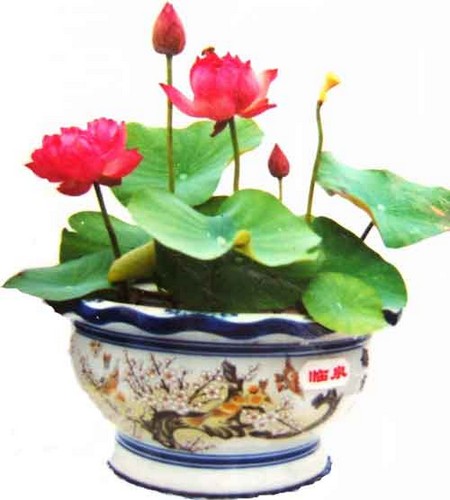
Since ancient times, people have loved beautiful, fragrant flowers, but I love the lotus that emerges from mud unstained. The lotus emerges from mud unstained, born in mud and growing through wind and rain, only then producing this flower that has withstood wind and rain and emerged from mud unstained. The lotus does not demand much of its growing conditions; even in mud it can grow strong. In a lotus pond, conditions are generally relatively stable, because the lotus prefers relatively stable still water and dislikes flowing water with drastic rises and falls, so the lotus gives people a fresh and elegant feeling. The lotus does not show off like other flowers; it is relatively modest and not proud, so even if it grows in mud, everyone will like it.
The lotus symbolizes purity. The lotus is a symbol and messenger of friendship. In ancient Chinese folk tradition there was the custom of "breaking off plum blossoms in spring to send to those far away, and picking lotus in autumn to remember people".
Although the winter plum has a proud spirit and stands upright in the water, the lotus is also strong and unyielding. Since ancient times, China has also had quite a few people with the qualities of the lotus. Tao Yuanming is one of them. He was not proud and aloof; he was "emerging from mud unstained, rinsed in clear water yet not seductive"!
Tao Yuanming was born in troubled times, yet his attainments in Chinese literature were deep. "Picking chrysanthemums by the eastern fence, leisurely I see the southern mountains" - this famous line comes from Tao Yuanming's pen. It was precisely these troubled-times "mud" that created such a famous Tao Yuanming in history! He was like white lotuses standing upright in this mud. Tao Yuanming's family was poor, but it was precisely this that shaped Tao Yuanming's style of emerging from mud unstained; his hard struggle created the achievements of his whole life!
"When pushing the pole, do not splash the water, for fear of wetting the red lotus garments." Wang Wei once wrote this poem. He only feared dirtying this holy lotus.
Even ignorant children all know that Nezha was born from the pure lotus.