-

What knowledge and techniques are involved in harvesting honey in autumn?
Beekeeping requires scientific honey harvesting to achieve a higher yield. The honey harvesting methods are described below: 1. Timing of honey extraction. Generally, honey can only be taken out when more than 1/2 of the honeycomb is capped. This is because before capping, the honey is not yet mature, and its moisture content has not yet been reduced to a suitable level. If honey is extracted at this time, it easily ferments and turns sour, and cannot be stored for long. The best time to extract honey is 3 to 4 days before the end of the honey flow period. Remove all the honeycombs in the supers that are mostly capped and move them to the honey extraction room for a single extraction.
-
Encyclopedia Knowledge Introduction to Himalayan Yew Seedlings
Latin name: Taxus wallichiana Zucc. Chinese name: Himalayan yew Latin family name: Taxaceae Chinese family name: Yew family Latin genus name: Enpcontent Chinese genus name: Yew genus National Class I key protected wild plant (approved by the State Council on August 4, 1999). Taxus wallichiana, also known as the Himalayan yew, is one of China's 4 species and 1 variety of yew, and is a tree species endemic to Tibet. The other 3 species and 1 variety are: Yunnan yew
-
Detailed Explanation of Knowledge About Third-Grade Improved Varieties of Kernel Apricots
1. Yiwofeng Yiwofeng, also known as Cibian and Xiaolongwangmao, is one of the main cultivars in Hebei. The fruit is oval, slightly more rounded than Longwangmao, with a single fruit weight of 8.5-11.0 grams and a maximum of 15 grams. The skin is yellow, and when fully ripe it splits along the suture, freestone. Single kernel weight is 1.6-1.9 grams, and the kernel yield rate is 18.5%-20.5%. Kernel weight is 0.52-0.62 grams, kernel extraction rate is 38.2%, the kernel flesh is milky white, and the taste is sweet and fragrant. Extremely high-yielding, but not resistant to late frost. 2. Sanganqi (provisional name) Sanganqi is from He
-
How to prevent and control Streptococcus suis? Knowledge Q&A Part 3
Q: Can humans be infected with Streptococcus suis disease, and how can it be prevented? A: Humans can indeed be infected with pathogenic Streptococcus suis. Streptococcus suis type 2 can cause meningitis, septicemia, endocarditis, and even death in humans. Looking at the routes of human infection with Streptococcus suis disease, a fact of great warning significance is that all infected patients had contact with sick pigs or dead pigs, and most patients had wounds on their hands or other body parts. It is not the case that anyone who slaughters or washes pork will become infected with Streptococcus suis and develop the disease. This
-
Thirteen Questions on Disease Prevention and Control in Raccoon Dogs: A Q&A on Disease Prevention and Control Knowledge for Raccoon Dog Farming
1. What causes large numbers of raccoon dogs to have diarrhea? How can it be prevented and treated? Answer: When diarrhea occurs in a large number of raccoon dogs in a breeding group, the first thing to consider is the feed: Has the feed become moldy or spoiled? Has the animal feed spoiled? Have the grain feeds been stored too long? Is the salt content too high? Has the grain feed been insufficiently cooked or processed? All of the above situations can cause diarrhea in large numbers of raccoon dogs. Prevention and treatment require addressing the above problems, and at the same time feeding gentamicin, norfloxacin, chloramphenicol, oxytetracycline, sulfonamides and other drugs all have a certain therapeutic
-
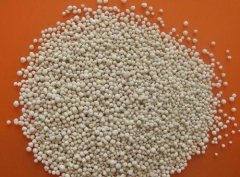
A Detailed Explanation of the Types, Functions, Advantages and Disadvantages of Chemical Fertilizers
Are chemical fertilizers good to use? Nowadays chemical fertilizers are no longer very popular, and everyone is talking about organic fertilizers, so what advantages do chemical fertilizers still have? Chemical fertilizers are a source of pollution: applying large amounts of fertilizer to farmland inevitably causes a great impact. Chemical fertilizers are usually a
-

Taxus care knowledge: this one article is all you need
1. Care of newly purchased bonsai. For a newly purchased Taxus bonsai, it is best to spray the leaves with a 800- to 1000-fold dilution of potassium dihydrogen phosphate solution about every three or four days, generally before 10 a.m., or around 4 p.m. After spraying three to four times in a row, gradually reduce to spraying about once a month
-

How to grow Oncidium orchids? A detailed guide to care tips and essential knowledge
This year, Oncidium orchids had a moment in the spotlight, drawing quite a few flower enthusiasts into the world of Oncidium growing. However, some beginner growers still want to know how to care for Oncidium orchids, as well as other essential facts about them. Below, fellow flower lovers can follow along with the editor to learn about Oncidium orchids....
-
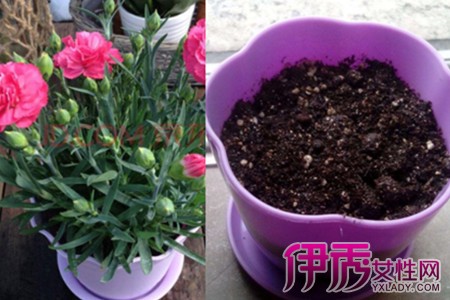
How to Grow and Care for Carnations: Essential Knowledge for Every Gardener
We are all very familiar with carnations, because they are a hugely popular cut flower at Mother's Day. We all like to use this flower to express our love for Mom, but how to grow carnations is quite a skill in itself.
-
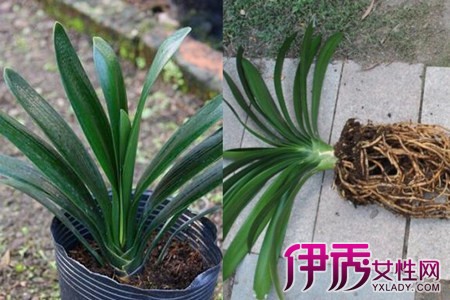
A detailed guide to growing Clivia (Kaffir lily) from seed, master the knowledge of plant care
Clivia is a very popular plant and is extremely beautiful when it blooms. Many people think Clivia is hard to keep alive, but really they just haven't mastered the right method. Below, the editor shares the growing method for Clivia.
条件筛选