-

Shrimp Plant (Justicia brandegeeana): Detailed Guide to Its Appearance and Summer Care
The shrimp plant's bracts are numerous and overlapping, so its appearance closely resembles a shrimp's shell, which is how it got its name. Although the shrimp plant is not often seen in daily life, its ornamental value is still relatively high, and some flower enthusiasts keep shrimp plants as potted plants on their balconies.
-
Do lily flowers die after being grown for just one year?
Some gardening enthusiasts may have heard the saying that lilies die after one year. Is this really true? In fact, lilies are perennial herbaceous bulbous plants, but lilies enter a dormant period each year when temperatures are high, so many gardening enthusiasts assume that lilies die after one year.
-
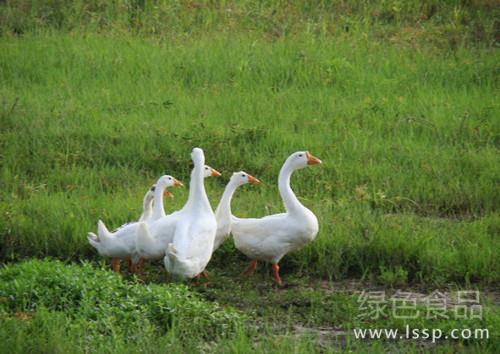
There are principles for formulating meat goose diets; you cannot just feed whatever is available.
"Feed whatever you have" is unreasonable: principles for formulating meat goose diets
-
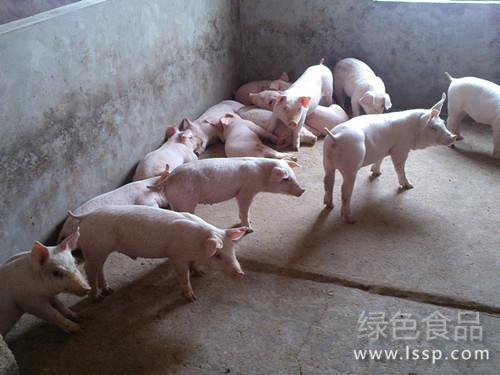
Just-weaned piglets are in a turbulent period and need adjusted early feeding management in the nursery
Just-weaned piglets in a turbulent period need adjusted early feeding management in the nursery
-
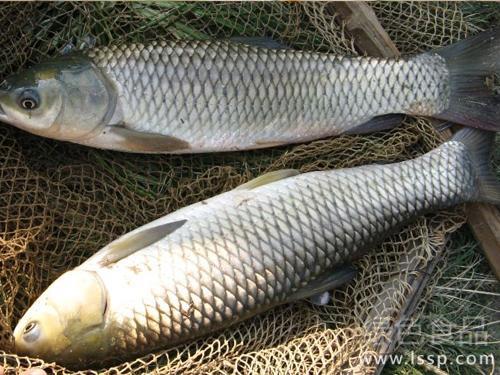
Adjusting the fish farming structure this way brings higher aquaculture returns
Adjust the fish farming structure to raise aquaculture returns
-
The Dezhou donkey is a treasure from head to tail. Just how high is its breeding value?
The Dezhou donkey originated in the counties along the Bohai coast in Binzhou City and Dezhou City, Shandong Province, with Wudi as the central production area, so it is also called the "Wudi donkey." It is one of China's large donkey breeds and an excellent local breed, and it has now been included in the national list of protected local breeds. In appearance, it is divided into two major types: the "Sanfen donkey" and the "Wutou donkey." The Dezhou donkey has strong adaptability, tolerates coarse feed, and has strong disease resistance, making it deeply popular among farmers in various regions. The Dezhou donkey has now been introduced as breeding stock to 24 provinces and cities including **, Shaanxi, and Liaoning, and has also brought considerable economic benefits to breeders.
-
How to identify high-quality fish fry? Just look at these few points
First, look at the size of the fry. In the same pond, the same species of fish should be uniform and even when harvested, with little difference in body length and body weight. On the contrary, poor-quality fry with large individual differences and uneven size often have a very low overall survival rate due to competition for food, mixed genetics, poor rearing, and other reasons. Second, look at the body color of the fry. High-quality fry have bright, glossy body colors. Different species and different rearing methods produce fry with different body colors. Generally speaking, high-quality silver carp fry should have a silver-gray back, with silvery-white sides and belly; high-quality grass carp fry are pale
-
Home-style pan-fried yellow croaker, easy to make in just a few simple steps
Cooking category: Pan-fried | Cuisine: Zhejiang cuisine | Ingredient category: Fish | Taste: Salty and savory | Suitable season: Autumn | Color, aroma and taste: A distinctive dish. Golden in color, the fish is soft and tender, savory, salty and richly aromatic. Main ingredient: 600 g cleaned yellow croaker. Secondary ingredients: 1 scallion, 1000 g oil (about 125 g consumed), 50 g cooking wine, 2 g chopped scallion and 2 g chopped ginger, 3 g each of shredded scallion, shredded ginger and sliced garlic, 3 g salt, 10 g MSG, 15 g vinegar, 100 g egg, a little flour, 10 g sesame oil, an appropriate amount of stock. Method
-
Pigs rooting at the pen and gnawing at soil are not just mischief; the reasons behind it need to be understood
Pigs rooting at the pen and gnawing at wood and soil are not just playing around; it is an abnormal phenomenon that affects the pigs' normal growth and development. The main causes are: first, growing-finishing piglets lack the mineral feed needed for growth; lactating sows and pregnant sows use their own mineral elements for the normal growth of suckling piglets and fetuses, and the minerals in the feed are hard to meet the demand. Second, the feeding is unreasonable: too little feed is given, the pigs do not eat their fill, and no water is provided with the feed. Third, sick pigs also show pen-rooting and gnawing at wood and soil. Prevention methods: first, pay attention to the feed mixing ratio and add mineral
-
You can tell what disease a chicken has just by looking at its droppings
Chicken droppings are the end product of digestion in chickens, and many diseases produce characteristic changes in the color and shape of the droppings. Observing changes in chicken droppings is one of the methods for diagnosing disease. If keepers can recognize the abnormal reactions of chicken droppings, they can promptly spot abnormalities in the flock and take measures as early as possible to prevent and treat disease. Veterinarians can also infer the type of disease from changes in chicken droppings, providing a basis for disease diagnosis. Normal chicken droppings are strip-shaped or form a pile when they land, contain a small amount of moisture, have normal white urates at the upper end, and show normal color and shape at the lower end, with scattered dark brown oily cecal droppings mixed in
条件筛选