Adjusting the fish farming structure this way brings higher aquaculture returns
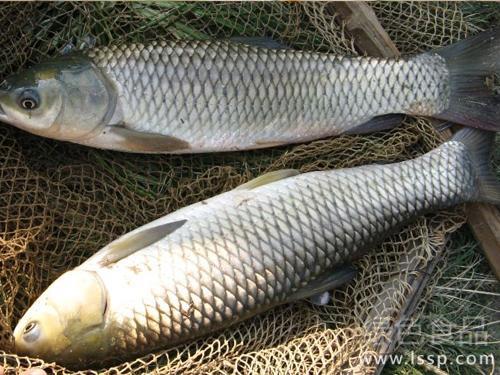
Black carp farming
In recent years, fishermen have mainly farmed omnivorous fish such as common carp, crucian carp, bream and grass carp, which require large inputs and yield small profits, with market prices declining year by year. In the 2014 aquatic science and technology outreach activity, as a technical instructor, I carefully analyzed and summarized the current domestic aquaculture situation, organized aquatic science and technology demonstration households for professional technical training, and promptly adjusted the farming structure, adopting mainly black carp and blacktail culter as the primary farming model, which increased income by 2000-3000 yuan per mu on average compared with conventional farming and, through spillover effects, drove surrounding farmers to develop farming of famous and high-quality aquatic products, achieving good demonstration results. The experience is summarized as follows:
Market potential: Because black carp and blacktail culter have tender, fresh meat and a delicious taste, they are highly favored by consumers. Moreover, market prices are relatively stable, and farming black carp and blacktail culter is simple and easy to carry out, with relatively small farming and market risks, so large-scale farming can be conducted and good economic returns obtained.
I. Farming conditions:
1. Pond conditions: The pond area should preferably be 5-10 mu, with a water depth of 2-2.5 m, good water source conditions, fresh and pollution-free water quality, convenient drainage and irrigation, hardened pond dikes, and complete aeration facilities.
2. Pond preparation: For ponds with relatively deep silt, first remove the silt and keep the silt depth at 10-20 cm. Seven days before stocking the fingerlings, fill the pond with water to 30-50 cm, and apply 150 kg of quicklime per mu dissolved in water and splash it over the whole pond to kill pathogenic bacteria and harmful organisms in the pond and reduce the occurrence of diseases and pests during the farming process.
3. Fingerling stocking: The stocking time is generally chosen from December to January or February, on clear and fine days, when the water temperature is 8-10 degrees. The stocked fingerlings should be soaked in a 10-20 PPM potassium permanganate solution for 5-10 minutes. Stocking numbers per mu: 100-120 black carp, size 1-1.5 kg/fish; 50 blacktail culter, size 25-50 g/fish; 30 bighead carp, size 250-500 g/fish; 150 silver carp, size 300-500 g/fish. With this stocking model, by the end of the year the black carp can reach a size of 5-6 kg, with a yield of 500-600 kg, and the blacktail culter can reach a size of 1.2-0.4 kg, with a yield of 15-20 kg.
II. Water quality regulation:From April to October, test the water quality 2-3 times each month, and control the pond water ammonia nitrogen at 0.2 mg/L, nitrite at 0.05 mg/L, and pH within 7-8.5. Regulation method: use 250 g of Bacillus or EM bacteria per mu, splashing over the whole pond once every 10-15 days. If there is long-lasting rainy weather, use 500-1000 g of sodium thiosulfate per mu and splash it over the whole pond. From May to September, add water once about every 15 days, adding 20 cm each time. Ensure the pond water is lively and clear; on sunny days at noon, turn on the aerator for 1-2 hours to ensure the pond water has sufficient dissolved oxygen and avoid death of black carp from oxygen deficiency.
III. Feeding management:Persist in patrolling the pond morning and evening, observe the fish conditions, and keep a farming production log. For the pelleted feed, a protein content of 32% is sufficient. Adhere to the "four fixed and four look" principles in feeding, dividing feeding into three times a day: morning, noon and evening. For fertilization, generally choose biological fertilizer, and the amount applied should be flexibly controlled according to whether the water quality is rich or lean.
IV. Disease prevention and control:For black carp, mainly prevent and control Dactylogyrus, Trichodina, bacterial gill rot, red skin disease, hepatobiliary syndrome, etc. Prevention and control methods: conduct microscopic examination 2-3 times each month; if Dactylogyrus is found, use 100 mL of mebendazole per mu and splash it over the whole pond; for Trichodina, use 200 mL of Trichodina killer per mu and splash it over the whole pond; if bacterial gill rot or red skin disease occurs, use 250 mL of povidone iodine per mu and splash it over the whole pond, and repeat once after 2-3 days. From May to September, use traditional Chinese herbal preparations such as Isatis root orally 2-3 times each month, for 2-3 days each time. Enhance the fish body's immune function and prevent and treat fish diseases.