Just-weaned piglets are in a turbulent period and need adjusted early feeding management in the nursery
The main task of nursery care is to help weaned piglets transition smoothly through the weaning period, develop good behavioral routines such as eating at a fixed spot, sleeping at a fixed spot and excreting at a fixed spot, and maintain an ideal growth rate. The key to a smooth transition through the weaning period lies in nutrition and feeding. Because of weaning, they lose the sow's protection and milk supply, and combined with the disturbance of penning and grouping, the piglets are in a state of turbulent stress. When weaned at 4 weeks of age, the digestive system and other systems are not yet fully developed and need time to adjust. The stress of the weaning period hinders the development of the piglets' digestion and absorption systems, so nutritional care is crucial.
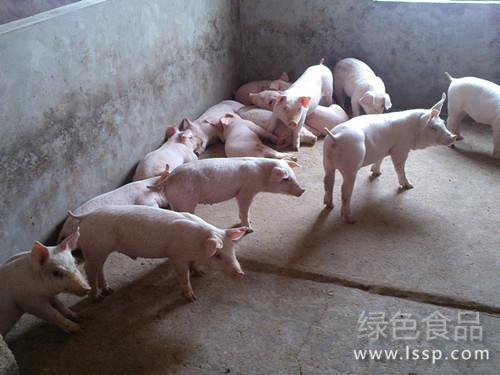
Nursery piglets
Suckling, creep feeding, intestinal development:
The purpose of early supplementary feeding is to help piglets adapt to the feed environment as quickly as possible after weaning, become familiar with the shape and taste of the feed, and increase feed intake after weaning. At around 14 days of age, piglets begin to produce a small amount of hydrochloric acid and digestive enzymes in the stomach, so at about 2 weeks after birth, a round pan feeder can be used to add a small amount of starter feed and let them slowly learn to eat. Once they eat the starter feed, the acid and enzymes in the stomach increase rapidly, speeding up feed breakdown and absorption, and with acid in the stomach, harmful bacteria such as Escherichia coli will not multiply.
Once piglets quickly adapt to weaning and eat, the food in the stomach stimulates the secretion of new digestive juices, and the piglets will digest food normally, absorb nutrients and adapt to the nursery environment. If piglets do not adapt to the nursery environment after weaning and eat very little feed, the secretion of gastric acid and other digestive juices decreases, the acidity in the stomach drops, and harmful bacteria in the intestine multiply exponentially, ultimately leading to malnutrition, emaciation and even death of the piglets.
Group effect:
Pigs are social animals, accustomed to the way sows gather to nurse, like to compete for food, and will imitate the behavior of pigs in the same pen, including eating, sleeping and excreting. Therefore, after pigs arrive in the nursery, conditions should be created so they can eat at the same time; when they hear or see other pigs rooting feed out of the trough, they will be enticed and increase their feed intake.
Feeding frequency and feed form:
After birth, the sow calls the piglets to suckle about every 1 hour, but once weaned, the piglets leave the sow, live independently and find feed and water on their own, so they must be trained as early as possible. In the initial stage, the suckling-period habit should be simulated, feeding once every 1 hour (then gradually lengthening the interval), and the trough should be tapped to form a conditioned reflex and develop good behavioral habits. In terms of feed form, the transition from liquid milk to solid feed requires a transition period. Therefore, during the piglet training stage, a small amount of water can be added to the feed, using wet mash to gradually transition to meal and pellets.
Feed freshness:
Because piglets have just been weaned, feeding should be small and frequent, ensuring the pigs have feed to eat at any time while eliminating waste. If a large amount of feed is put into the trough all at once, when the piglets eat, the saliva flowing from their mouths will cause the feed to clump and mold, affecting feed freshness and triggering intestinal diseases in the piglets. In addition, after the piglets chew, a large amount of meal remains. Meal covering the feed will cause the piglets to refuse to eat. Therefore, the feed should be both sufficient and not wasted.