-

Management Measures and Technical Points for Rice during the Jointing and Panicle Elongation Stage
The jointing and panicle elongation stage refers to the period from jointing and the beginning of young panicle differentiation to just before heading, generally 25-36 days for middle-season rice. 1. Growth and development characteristics and growth appearance during the jointing and panicle elongation stage (1) Growth and development characteristics During this period, on the one hand, stem elongation is the center, completing the growth of the last few leaves and root system and other vegetative organs; on the other hand, reproductive growth centered on young panicle differentiation takes place. During this period some tillers gradually die, and the total number of stems and tillers declines compared with the earlier stage, so it is an important period for preserving tillers and increasing panicles. From
-
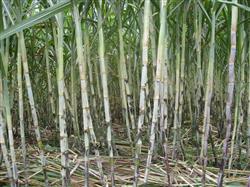
Sugarcane Cultivation Techniques: How to Manage Sugarcane Well During the Jointing Stage?
How to manage sugarcane well during the jointing stage? Please provide guidance on management methods. The jointing stage of sugarcane is the critical period for forming sugarcane yield. After sugarcane enters the elongation stage, its root system is well developed, and its ability to absorb water and nutrients is greatly enhanced. Its demand for light, temperature, water, and nutrients reaches a peak. At this time, fertilization, hilling, pest and disease control, etc...
-
The key to increasing wheat yield is applying the jointing and booting fertilizer well
Applying the jointing and booting fertilizer well increases wheat yield
-
What are the management measures for rice during the jointing and panicle elongation stage?
Currently, rice growth across the city has successively entered the jointing and panicle elongation stage, an important period of transition from vegetative growth to reproductive growth and a critical period that determines yield. Doing a good job of field management in the middle and late stages of rice is crucial for ensuring sufficient panicles, striving for large panicles, shaping a high-yield plant type, and building a good foundation for high yield. I. Seedling growth characteristics According to a survey on July 21, the average leaf age of machine-transplanted rice was 12.31 leaves, 0.49 leaves more than the same period last year; the average leaf age of direct-seeded rice was 10.31 leaves, 0.56 leaves more than the same period last year; the total number of stems and tillers was 38.63 for machine-transplanted rice
-
Management Techniques for Rice at the Jointing and Booting Stage
Management at the jointing and booting stage: When 50% of the plants in the field have the main tiller elongated by 1-2 cm and the shape of the main tiller becomes rounded, it is the jointing stage. When 50% of the flag leaves have fully emerged from the leaf sheath, it is the booting stage. This period is when rice needs the most water in its entire life cycle. If the water is drained for a long time, it will affect the formation of the panicle, resulting in small panicles and many empty grains. However, deep water flooding should also be avoided; instead, irrigate frequently with shallow water and expose the field appropriately to promote root growth, achieving deep roots and lush leaves, and striving for large panicles and more grains.
-

Key Field Management Techniques for Wheat at the Jointing Stage
Field Management of Wheat at the Jointing Stage
-
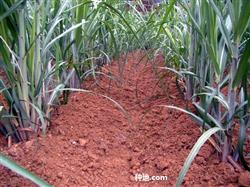
How to scientifically apply topdressing during the sugarcane jointing and elongation stage
How should topdressing be applied during the sugarcane jointing and elongation stage? Please give guidance. After May, rainfall will increase, and sugarcane will enter the jointing and elongation stage, with a very large demand for fertilizer. A fertilizer shortage during this period will affect sugarcane growth and have the greatest impact on yield. Therefore, early May to early June is the key period for sugarcane topdressing, and most...
-

Key Field Management Techniques for Rice During the Jointing and Panicle Development Stage
Field Management Techniques for Rice During the Jointing and Panicle Development Stage
-
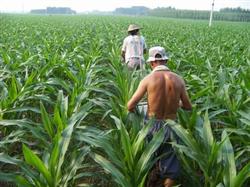
How to Apply Jointing Fertilizer to Summer Corn? Fertilization Methods and Key Points Explained
How to apply jointing fertilizer to summer corn? When is the best time to apply jointing fertilizer for good results? Please provide guidance. Summer corn generally reaches the jointing stage 18 to 21 days after emergence. The signs of entering the jointing stage, from the external morphology, are as follows: for early-maturing varieties, such as Ludan 50, Yedan 20 and Denghai 9 corn, 4 to 5 leaves are unfolded and 7 to 10 leaves are visible;...
-
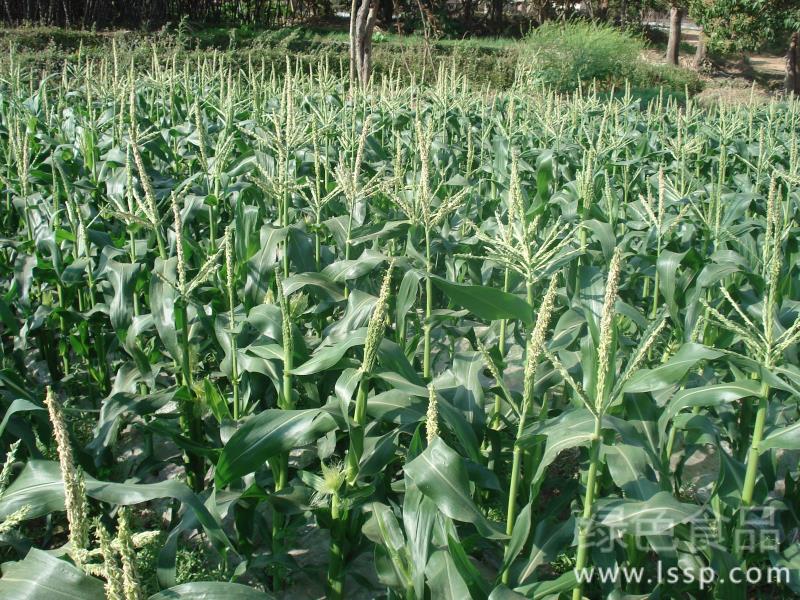
In July, corn enters the jointing stage; the key points of summer management need to be mastered
In July, corn enters the jointing stage: key points for summer corn management
条件筛选