In July, corn enters the jointing stage; the key points of summer management need to be mastered
We are now in July, and corn has entered the jointing stage. This is the peak period of corn's water and fertilizer demand, and also a critical period for increasing corn yield. At this time, management of corn needs to be strengthened. The key points for corn management in July are summarized as follows:
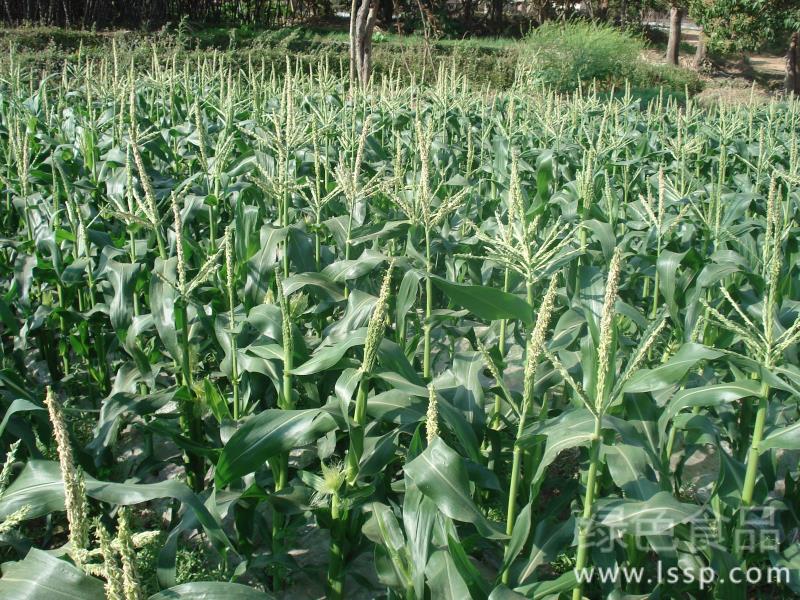
Corn
I. Timely topdressing
For corn topdressing, nitrogen fertilizer is the main type, applied as a single topdressing, concentrated at the large trumpet stage of corn. Apply 25 kg of urea per mu, plus 5 kg of potassium dihydrogen phosphate, which can enhance the lodging resistance of corn plants. When fertilizing, keep the fertilizer a little farther from the corn roots and apply it between two rows of corn, then cover with soil after application to reduce loss of fertilizer efficiency.
II. Intertillage and weeding
Corn likes intertillage. Reasonable intertillage can effectively remove weeds, and can also increase soil temperature and promote plant growth. Intertillage in dry weather can destroy surface capillaries, prevent evaporation of water from the lower surface layer, and prevent drought and preserve soil moisture; intertillage after rain can break up compacted soil, accelerate water evaporation, and prevent waterlogging. Summer intertillage should not be too deep; 5 cm is appropriate to avoid damaging roots. For corn fields with relatively severe weed damage, chemical weeding can be used: apply 200 ml of 20% paraquat (Tianchu) per mu, mixed with 30 kg of water, and use directed spraying for weed control. When spraying, a protective shield should be installed on the nozzle to avoid drift of the spray liquid damaging corn leaves and surrounding crops.
III. Timely drainage and irrigation
The large trumpet stage of corn is the critical period for water demand. If drought occurs, it will seriously affect corn yield. In places where irrigation conditions are available, watering should be done in time to fight drought and prevent "neck-pinching drought." Spring corn has a long grain-filling period, and "autumn drought" also affects corn yield. If drought occurs during the corn grain-filling period, watering should also be done in time to fight drought. Although corn is a crop with high fertilizer and water requirements, it is not tolerant of waterlogging. If there is large-area standing water in the field after rain, drainage should be carried out in time to prevent corn root rot and premature senescence from affecting yield.
IV. Prevention and control of pests and diseases
The main pests and diseases harming corn in July are corn borer, armyworm, and corn large and small leaf spot diseases. Monitoring should be strengthened, and measures should be taken in time to prevent and control them.