-
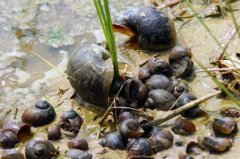
Is the apple snail a pest? Its harms and how to kill its eggs
Apple snails often appear in rice paddies, but the apple snail is a pest, and it can harm the growth of rice, so how do you control it? Would you like to learn about more scientific control methods? Let's take a look below. Because apple snails reproduce very quickly, in Taiwan, China they have almost
-

Goji berries as a medicinal and edible food: the benefits and harms of drinking them in water, and how to store them
Goji berries are the fruit produced after the goji plant grows and matures; they are generally picked and sun-dried for a period of time, and once the fruit becomes dry on the outside and hard on the inside, they are goji berries. Goji berries have many effects and functions and are a medicinal and edible food approved by the National Health Commission, so
-
Safflower (Carthamus tinctorius) Benefits and Effects, Benefits of Drinking It as a Tea, Harm to Pregnant Women, and Culinary Uses
Safflower aliases: Honglanhua, Cihonghua; a plant of the Asteraceae family, genus Carthamus; the dried tubular florets are orange-red; mainly produced in Henan, Hunan, Sichuan, Xinjiang, Tibet and other places. So what are the benefits and effects of safflower? What are the benefits of drinking it as a tea? How do you eat it for the best results?
-
The Harm of Soil Compaction and Prevention Measures: How to Make Soil Loose?
Soil compaction refers to the hardening of the soil surface caused by the lack of organic matter in the soil tillage layer, poor structure, the destruction of structure under certain external forces (such as irrigation, rainfall, compaction, etc.), and the effect of cohesion after drying. So how do you make soil loose and not compacted? Its harm and prevention
-
The Cancer of Pine Trees: What Is Pine Wilt Disease? Its Harm to Humans and Control Options
There are more than eighty species of pine trees in the world, not only numerous in kind but also widespread in distribution, yet they are prone to an epidemic disease called the pine wood nematode. So do you know what pine wilt disease is? Is it harmful to humans? How is it controlled? What options are there? From
-
Does the horsehair worm have natural predators? An analysis of its harm to the human body and whether it can be cured
Those who have seen the South Korean movie "The Host" will have some understanding of the horsehair worm. Horsehair worms generally live as parasites in water, and when people consume them they can become parasites inside the human body, but it is not as terrifying as the plot suggests, though it still causes some harm. So does the horsehair worm have natural predators?
-
Can the foul-smelling pleco be eaten? A detailed look at its harms and how to kill it
The pleco, also called the suckermouth fish or suckermouth catfish, has the scientific name armored catfish, and likes to eat leftover bait and waste in aquariums. Many friends ask, the pleco fish grows up eating waste, can it still be eaten? How can it be killed? What harm does it cause? 1. Can the pleco be eaten
-
Locusts of the order Orthoptera: Their Natural Enemies, Benefits and Harms, and How They Differ from Grasshoppers
Locusts, also known as grasshoppers, are a type of pest belonging to the family Acrididae in the order Orthoptera. There are many species, but the East Asian migratory locust is relatively common in China and highly destructive, capable of causing locust plagues in severe cases. So what do locusts eat to grow up? Who are their natural enemies? And how do they differ from grasshoppers?
-
The flower language of Moluccella laevis is unique love; its blossoms are charming and delicate.
Moluccella laevis is an annual or biennial herbaceous plant in the Lamiaceae family, genus Moluccella. The plant grows 50-60 cm tall, with four-angled stems that do not branch. The leaves are opposite, heart-shaped to round, with sparsely toothed margins; the petioles are nearly as long as the leaves. The flowers are white with a two-lipped corolla; the nutlets...
-
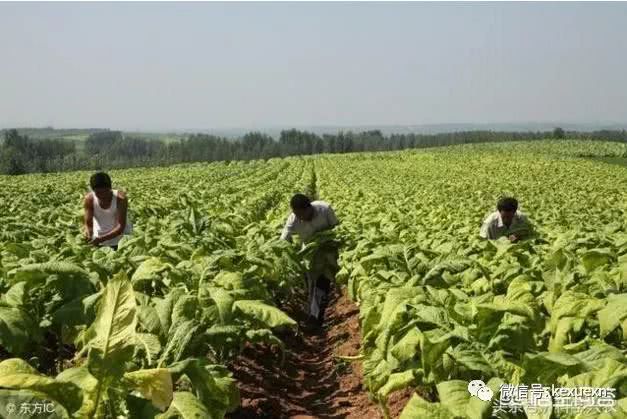
Organic fertilizer has many benefits: it can reduce the harm of continuous cropping, and with the right method, the results are twice as good with half the effort
That organic fertilizer can reduce the harm of continuous cropping is already a widely recognized fact. There are also relevant research results from cultivation experiments; organic fertilizer can definitely prevent continuous cropping problems, and this is not just a legend. Regarding the role of organic fertilizer, here is some relevant...
条件筛选