-
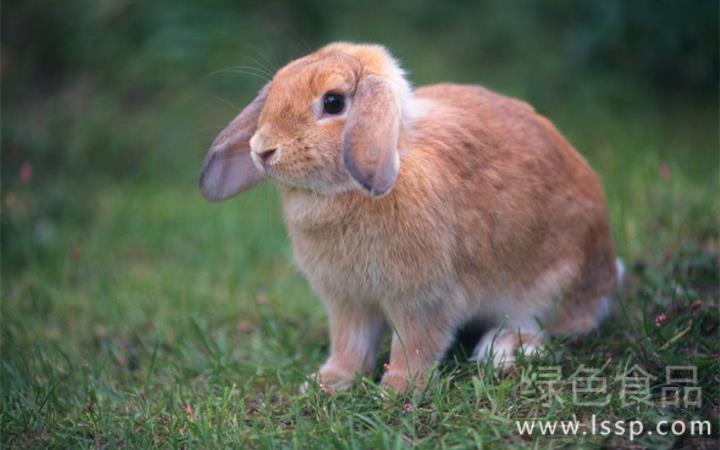
Mastitis in female rabbits can be fatal in severe cases; how can it be prevented?
Mastitis can cause death in female rabbits in severe cases; how to prevent mastitis in female rabbits
-

What are the clinical symptoms of swine Japanese encephalitis? Detailed explanation of prevention and treatment methods
Swine Japanese encephalitis, abbreviated as JE, is a zoonotic infectious disease caused by the Japanese encephalitis virus. The disease was first discovered in Japan, so it is also called Japanese B encephalitis. The pathogen, the JE virus, has weak resistance to the external environment. It can be inactivated after 30 minutes at 56°C or after 2 minutes at 100°C, but it can survive for several years at minus 70°C. When the pH value is less than 7 or greater than 10, its activity declines rapidly. Disinfectants such as 2% caustic soda solution and 3% Lysol water
-
Etiology, Diagnosis, and Prevention of Vulvitis and Vaginitis in Canine Obstetrics
Vulvitis is inflammation of the vulva and vestibule. It is mostly caused by infection from vulvar trauma during parturition, inadequate disinfection of hands or instruments during assisted delivery, and bacteria introduced by the tail. During mating, damage to the vulvar mucosa can also trigger this disease; vaginitis is inflammation of the vagina. Primary vaginitis is mostly seen in certain large breeds before sexual maturity, such as the German Shepherd and Boxer. Secondary vaginitis is mostly seen in adult dogs. Predisposing causes include prolonged estrus, unsanitary mating, infection during parturition, and secondary infection of the uterus, bladder, urethra, and vestibule. Vaginitis often occurs concurrently with vulvitis. [Diagnosis]
-
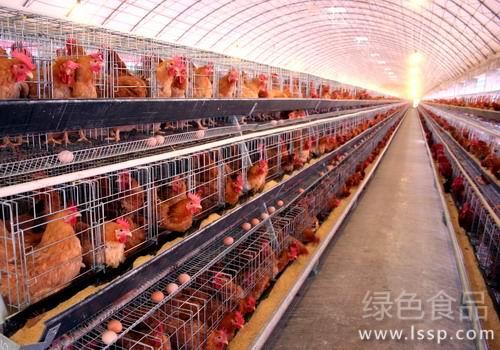
High mortality from avian encephalomyelitis in laying hens: how to prevent and control it?
How to prevent and control the high mortality of avian encephalomyelitis in chickens
-
Causes, Diagnosis and Treatment of Keratitis in Pet Dogs
Keratitis is the general term for inflammation of the corneal tissue. It is characterized by corneal opacity (nebula), corneal neoplasm, corneal ulcer, corneal perforation and residual corneal macula. It can occur in all kinds of dogs, but is common in long-haired small breeds. Etiological analysis and treatment-effect statistics were carried out on 68 dogs with keratitis diagnosed and treated since May 2005. Most cases were caused by trauma, foreign bodies, inappropriate drugs and infection, and some had unknown causes. After treatment, 66 cases were cured, with a cure rate of 97.06%. Perforation caused by corneal ulcer is difficult to cure. 1 Case
-
Discussion on the Application of Interferon in the Treatment of Canine Infectious Hepatitis
Canine infectious hepatitis is an acute septicemic infectious disease caused by adenovirus. It is characterized by central necrosis of hepatic lobules, intranuclear inclusion bodies in hepatic parenchymal cells and cortical cells, and prolonged bleeding time. Canine infectious hepatitis is seriously harmful to dogs and causes significant economic losses to the dog breeding industry. The virus has considerable resistance; under low-temperature conditions, it can survive in soil for a long time, remaining pathogenic after 10-14 d, and can also survive for a relatively long time in kennels. Sick dogs and recovered virus-carrying dogs are the source of infection for this disease, and their blood, secretions and excreta
-
Symptoms and Prevention and Treatment of Avian Encephalomyelitis
Avian encephalomyelitis is caused by a virus and mainly affects chicks under 1 month of age. Affected chicks gradually become unable to stand, resting on the hock joint on the ground, or lying on one side with one leg extended; some affected chicks show paroxysmal trembling of the head and neck, and sudden sounds can trigger the trembling. Affected chicks always have an appetite, and can feed if the trough is moved beside them. Most affected chicks eventually die of exhaustion because they cannot get feed and water. The incidence rate is generally 10-20%, and the mortality rate averages about 10%. [Necropsy] In the muscular layer of the proventriculus and gizzard there are many
-
What are the treatment methods for pig nephritis?
Causes: Nephritis is inflammation of the glomeruli, renal tubules and interstitial tissue of the kidney. It mainly occurs when affected pigs eat moldy feed and drink toxic sewage, or accidentally eat toxic plants; catching a cold or being chilled, or being kicked in the abdomen or falling and being stimulated, can all bring on the disease. Influenza, swine fever, swine erysipelas, foot-and-mouth disease and other infectious diseases, or severe gastroenteritis and pneumonia, can all cause secondary or concurrent nephritis. Symptoms: The affected pig is listless, has reduced appetite and an elevated body temperature. Because of kidney pain, the back and loins are arched, the pig lies down more than it stands, and when standing the hind legs are spread apart, or it tucks them under the belly, unwilling to
-
Symptoms and Treatment of Acute Pancreatitis in Dogs
It is caused by microbial infection, poisoning, or feeding high-fat food. Clinically, symptoms such as sudden severe pain in the anterior abdomen, shock, and peritonitis may be seen. Treatment is based on the principles of inhibiting pancreatic secretion, relieving pain and spasms, combating shock, and correcting water and electrolyte imbalance. [Prescription 1]5% Glucose Injection 250-500 ml Compound Sodium Chloride Injection 250-500 ml 25% Vitamin C Injection 2-4 ml 5% Vitamin B Injection 1-2 ml 654-2
-
Pig Pharyngitis
[Overview] This disease is caused by catching a cold, or by coarse, hard, sharp objects injuring the pharyngeal mucosa, leading to inflammation of its surface layer and deeper layers. Clinically, it is characterized by difficulty swallowing and stiff head and neck. [Etiology/Pathogen] It is caused by pigs catching cold due to factors such as a cold pig house, exposure to cold air, and insufficient bedding; other causes include inhalation of dust or irritating odors, weak body resistance, injury to the pharynx by coarse, hard, sharp objects, rough administration of medication through the mouth with a stomach tube, feed that is too hot or frozen, or secondary to streptococcal disease.
条件筛选