How to prevent and treat rabbit mucoid enteritis? Be on alert for abdominal distension, drooling, and mucus in the feces
Rabbit mucoid enteritis is one of the intestinal infectious diseases of rabbits caused by certain serotypes of Escherichia coli, characterized by abdominal distension, mucoid or watery feces, and drooling, with high morbidity and mortality. Rabbit mucoid enteritis is closely related to feeding and management, especially improper feeding, which affects the normal intestinal microflora of rabbits, causing non-enteropathogenic E. coli to multiply massively and produce toxins. The disease has no obvious seasonality, and both male and female rabbits can be affected, with young rabbits aged 1 to 4 months having a higher morbidity rate.
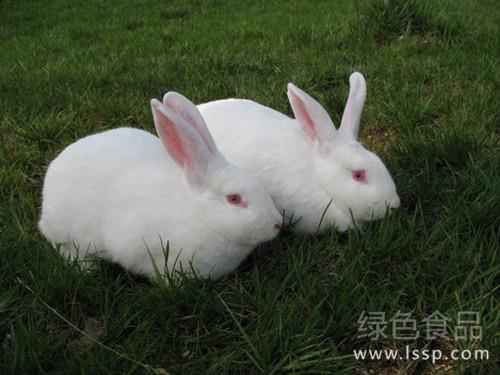
Rabbit
I. Clinical symptoms:
The incubation period is 6 to 32 hours. Peracute type: often no clinical signs; several hours after onset, the rabbit falls to the ground and dies. Acute type: elevated body temperature, listlessness, reduced or stopped appetite, slightly rapid breathing, abdominal distension, audible bowel sounds on auscultation, feces sometimes dry and sometimes thin, with death within 1 to 2 days. Subacute type: the course of disease is 7 to 5 days, with typical symptoms. In the early stage of the disease, in addition to the acute symptoms, the feces appear grape-like and are coated with gelatinous mucus, or are yellow to brown watery diarrhea, and the urine is turbid. In the middle stage of the disease, the body temperature gradually returns to normal, the conjunctiva is pale, the coat is rough and messy, there is no defecation or the feces are thin and foul-smelling, mucus and thin feces contaminate the hair around the anus and hind limbs, and the urine looks like rice-washing water, pinkish-white with a fishy smell. In the late stage of the disease, the body temperature is low, the limbs are cold, there is drooling, the feces are black, the rabbit rolls around and squeals, the head and neck are thrown back, the hind limbs are stiff, and death eventually occurs from dehydration and exhaustion.
II. Prevention and treatment measures:
Strengthen feed management and formulate feed reasonably. When changing feed, it must be done gradually and must not be changed abruptly; usually maintain good environmental hygiene, and regularly disinfect the rabbit rearing sites and feeding utensils. Once this disease is found, immediately isolate and treat affected rabbits, strictly disinfect contaminated rabbit cages and utensils, and urgently vaccinate with the corresponding E. coli aluminum hydroxide formaldehyde inactivated vaccine (such as one isolated from the farm).
For drug treatment, suitable antibacterial drugs such as gentamicin and streptomycin can be selected. When possible, a drug sensitivity test is best performed. For example, streptomycin, intramuscular injection at 20 mg per kg body weight, twice a day, for 3 to 5 consecutive days; sulfadiazine, oral administration at 15 mg per kg body weight, twice a day, for 2 to 3 consecutive days; and combine with symptomatic treatment such as astringing and stopping diarrhea, fluid replacement, cardiac support, and diuresis to prevent dehydration in rabbits. If young rabbits can be inoculated with anti-E. coli serum that is dominant in the rabbitry, it has a good preventive and therapeutic effect.