-
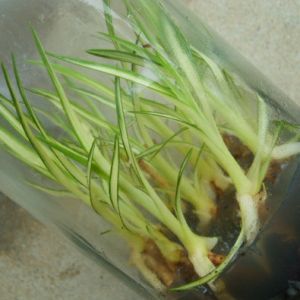
What are the reasons tissue-cultured orchid plantlets are not good
Besides being difficult to grow, tissue-cultured orchid plantlets also have a low survival rate. The low survival rate is related to the special propagation method used for tissue-cultured plantlets: the heavy use of hormones and chemical nutrients leaves the orchid plantlets in poor physical condition, frail and unable to withstand the slightest stress, and poorly adapted to the growing environment after being taken out of the flask, so they tend to sulk, neither dying nor thriving. If they are genuine tissue-cultured orchids, the flowers they produce should be the same as before, unless the wrong goods were sent. In short, tissue-cultured plantlets in the weak-plantlet stage are generally not suitable for growing at home, because these tissue-cultured plantlets themselves have low dry-matter content, poor disease resistance, a low survival rate in home cultivation, and a long cultivation cycle; many unscrupulous traders often pass off ordinary varieties as rare varieties to make money, because tissue-cultured plantlets make it hard to distinguish the characteristics of each variety (they look basically the same); if you want to introduce rare orchid tissue-cultured plantlets, it is advisable to do so at agricultural and forestry research institutes that carry out orchid tissue culture, where quality and variety are guaranteed.
-

What do old orchid varieties, new varieties, original species, re-imported varieties, and tissue-cultured seedlings mean?
Baomuzhaizhu First, it is something we often see: sellers add the two words "old variety" before the variety name. It should be pointed out here that this is a huge deception. The so-called "old variety" has, as parallel terms, "new old variety," "new variety," or "newly collected flower." "Old variety" is not a word describing origin; it...
-
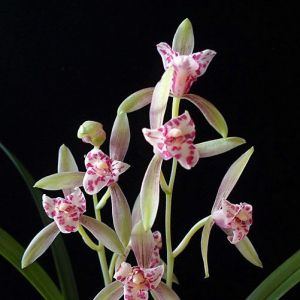
Sharing My Experience in Growing Back-Sold Tissue-Cultured Hybrid Orchids
Green Three Star~~Lucky Star
-
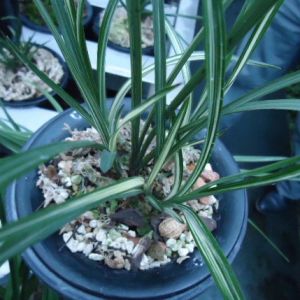
What are the issues concerning the flow and distribution of premium hybrid orchids?
Chuanjiabao, also known as "China's Pride," has evolved into a particularly striking porcelain-white variegated form. I have never seen its flower.
-
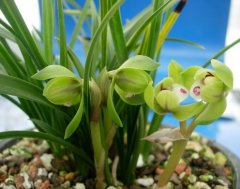
What three issues should be noted in the vernalization of Chinese orchids?
The period from the Winter Solstice to Major Cold is the season with the lowest temperatures across China, commonly known as deep winter. When it comes to cultivating orchids in deep winter, we must not forget the vernalization of orchids....
-
-
-
-
-
条件筛选