-

How to grow sweet potatoes for higher yields? These four methods are very practical
For inverted planting, first cut off the top 2-3 nodes of the sweet potato vine, then cut it into sections of 4 nodes each, remove the petioles and leaves of the upper two nodes of each section, keep the petioles and leaves of the lower two nodes, and plant them upside down on the ridge, so that one petiole base is left exposed above the ridge surface
-

Plant morphology and cultivation methods of the inverted golden hook
Plant morphology of the inverted golden hook Cultivation methods of the inverted golden hook
-
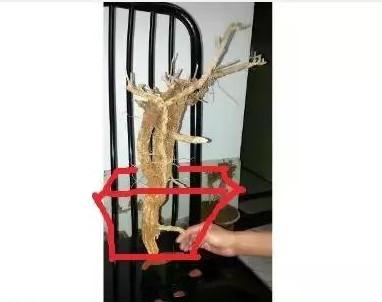
The trick to planting a goji berry bonsai upside down is not as simple as just planting it inverted
Tomorrow, a goji berry that has already been grown for a year will be pulled out for flying flowers and pot cultivation. The hypothetical idea is that all the branches are roots, and how beautiful they would be. A year ago, this was not at the level currently familiar. Then pull it out and pull it out...
-
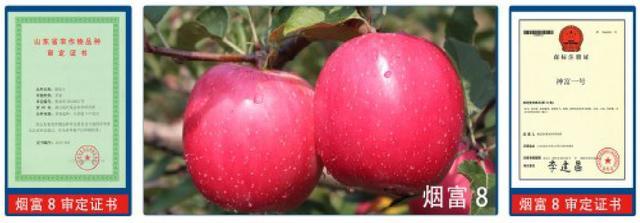
Cultivation and Management Techniques for the Inverted Tower-Pine Shape of Yanfu 8 (Shenfu No.1) Apple
Cultivation and Management Techniques for the Inverted Tower-Pine Shape of Yanfu 8 (Shenfu No.1) Yanfu 8 (Shenfu No.1) is an excellent late-maturing apple variety with particularly good coloration, selected from bud sport varieties of the Fuji series. It passed appraisal in October 2012, and in November 2013...
-
Grain purchase policy accelerates marketization due to inverted production-sales relationship
The latest national grain production data released by the National Bureau of Statistics show that in 2014 the national total grain output was 607.1 million tons, an increase of 0.9%. At the same time, net imports of China's three major staple grains - rice, corn and wheat - have become the norm. Statistics show that over the past 3 years, corn,
-
Why are the prices of grain, cotton, oil, sugar and meat comprehensively inverted? It is not all caused by imports
To solve the problem of price inversion for major agricultural products, the pressing task is to comprehensively use quota management, trade remedies, end-use control of imported products, inspection and quarantine, "green box" subsidies and other means. But the fundamental solution is still to adjust the agricultural structure in line with market demand, and
-
Inverted grain prices at home and abroad: continue advancing reform to lower grain costs
The 2015 Boao Forum was held on the 26th. At the forum on "Exploring New Models of Rural Financial Reform," Chen Zhangliang, Vice Chairman and Secretary of the Secretariat of the China Association for Science and Technology, said that last year China imported more than 100 million tons of grain in one go, covering rice, millet, corn, soybeans, cotton, sugar,
-
Prominent "Inverted" Grain Market Phenomenon: Agricultural Product Price Reform Needs Coordinated Advancement
The "inverted" phenomenon in China's grain market is prominent, agricultural product price subsidies are already close to the upper limit of the WTO Amber Box subsidy rules, and market-supporting procurement is becoming increasingly unsustainable. Adjusting grain procurement prices cannot simply mean reducing fiscal subsidies and directly requiring domestic bulk agricultural product prices to
-
What factors affect the inverted grain price gap in China?
The phenomenon of inverted domestic and international grain prices has become one of the hottest topics in government departments and the agricultural economics field recently. In July this year, Chen Xiwen, deputy head and director of the Office of the Central Rural Work Leading Group, mentioned that China is currently facing an
条件筛选