-
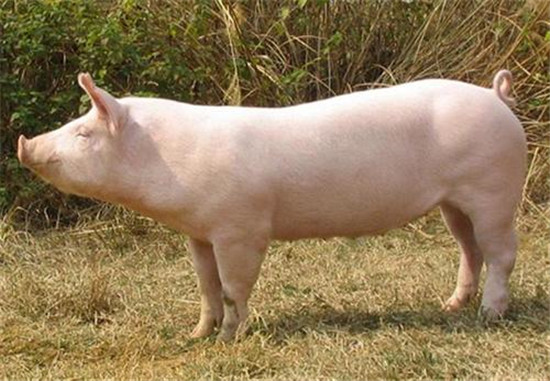
How to prevent and treat common internal diseases in pigs? Prevention and treatment measures for three diseases
Prevention and treatment measures for three common internal diseases in pigs
-
Detailed explanation of rational planning and design of pig farms and internal details
Detailed explanation of rational planning and design of pig farms, and internal details of pig farms
-

Detailed Explanation of Prevention and Treatment Methods for Fungal Disease of Fish Internal Organs
Pathogen: Saprolegnia. Symptoms: Diseased fish generally have a distended abdomen, with red patches on the abdominal surface; dissection of the abdomen reveals the surface of the internal organ mass covered with fine hyphae, and red patches on the stomach, swim bladder, and liver. Infection initially occurs in the stomach, where it develops fully; the hyphae penetrate the stomach wall and develop within the abdominal cavity, causing ascites, and invade nearby organs as well as the peritoneum and muscles. After the diseased fish dies, the hyphae extend out through the abdominal wall. Prevention: 100ppm methylene blue can inhibit its development; using it to disinfect fish ponds can reduce infection.
-
The Harm of Internal Parasites in Snakes and Methods of Prevention and Treatment
There are many kinds of parasites in snakes, such as the nematode worm that parasitizes the lungs and trachea of snakes, and the heterobilharzia fluke that parasitizes the gallbladder of snakes. However, because the history of artificially raising commercial snakes is relatively short and the scale of production is limited, there is little exchange between snake farms regarding snake disease conditions, and research on the internal parasite status and prevention and treatment of snakes is scarce and not sufficiently in-depth. Moreover, when treating snake parasites with certain drugs, if the dosage is small, it has no effect on the internal parasites; if the dosage is slightly larger, although it has not yet reached the lethal dose for the internal parasites, it is enough to kill the snake.
-
Types of Internal Parasites in Snakes and Methods of Prevention and Treatment
There are many kinds of parasites in snakes, such as the tongue worm that parasitizes the lungs and trachea of snakes, and the heterodidymous fluke that parasitizes the gallbladder of snakes. However, because the history of artificially breeding commercial snakes is relatively short and the production scale is limited, communication among snake farms regarding snake disease conditions is not extensive, and research on the internal parasite conditions of snakes and their prevention and treatment is scarce and not sufficiently in-depth. Moreover, when some drugs are used to treat parasites in snakes, if the dosage is small, they have no effect on the internal parasites; if the dosage is slightly larger, although it has not yet reached the lethal dose for the internal parasites, it
-
How to care for a dog with an internal medicine condition? Explaining with gastritis as an example
The usual signs are not eating, vomiting, and diarrhea, leading to severe dehydration and reduced resistance. Intravenous fluids generally work best. Next, giving stomach-strengthening and appetite-stimulating drugs is fine, but giving only these drugs is not enough. Owners should administer medication according to the veterinarian's advice and prescription, but because the education level and clinical experience of veterinarians vary across different animal hospitals and clinics, you should find an experienced veterinarian to prescribe. Generally, households should always keep drugs such as berberine and furazolidone on hand, but these
-
Stomatitis is a common internal disease in dogs.
Stomatitis can be classified by the nature of the inflammation into catarrhal, vesicular and ulcerative stomatitis, with catarrhal stomatitis being the more commonly seen type. [Causes] The most common cause is direct injury to the oral mucosa by coarse hard bones, sharp teeth, nails, wire and the like, followed by secondary infection resulting in stomatitis; next is accidental ingestion of quicklime, ammonia water, moldy and spoiled feed, or irritating drugs at excessive concentration; and then cases secondary to tongue injury, pharyngeal fire or certain infectious diseases. [Key points of diagnosis] The sick dog refuses coarse hard feed and prefers liquid feed and
条件筛选