-
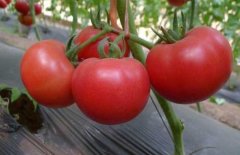
The History of Tomato Cultivation and How to Get Lycopene from Tomatoes and What It Does
Have you ever heard the story of the history of tomato cultivation? The most nutritious substance in tomatoes is lycopene, right? So how do you get lycopene from tomatoes? It is generally believed that the Peruvians were the first to cultivate tomatoes. From the 16th to the 17th century, when tomatoes had just been introduced to Europe (Spain), they were treated as food, but the part people ate at the time was not the fruit but the leaves. Because the toxins in tomato leaves poisoned those who ate them, tomatoes were regarded as an ornamental plant for a very long time. From the 18th century onward they began to be grown as a vegetable in Southern Europe.
-

Blueberries: Benefits, Effects, Daily Recommended Intake, and Washing Methods
In recent years, blueberries have become increasingly popular. Because the fruit is blue in color, it is called the blueberry. Blueberries are not only sweet and tart, but also rich in vitamins, minerals, amino acids, and more, making them a highly nutritious fruit. So do you know the benefits and effects of blueberries?
-
Chickpeas: Benefits and Effects of This High-Protein Plant, Suitable Daily Intake, and Cooking Time
Chickpea, also known as chicken pea, heart pea, or tare bean, is a herbaceous plant of the legume family native to Europe. Because of its fragrant taste and high nutritional value, it is widely cultivated in Shandong, Taiwan, China, Inner Mongolia, and other places. So what are the benefits and effects of chickpeas? How much is appropriate to eat per day?
-
Price per jin, daily intake, and overdose reactions of almond trees in the Rosaceae family
Almond, also known as bitter almond, apricot kernel, apricot seed, apricot plum kernel, apricot, sweet plum, and wood-fallen seed, is a relatively common nut in our country. Regular consumption can effectively control cholesterol levels in the human body, so many people like to eat it. So what tree's fruit is the almond? One
-
How to Stimulate Broiler Chickens to Eat Feed? Methods to Increase Feed Intake
The broiler chicken farming industry, with its inherent advantages of high efficiency and low cost, has become the most industrialized sector in our country's animal husbandry field. So, how to stimulate broiler chickens to eat feed? 1. How to stimulate broiler chickens to eat feed? Scientific feeding methods are needed
-
How to treat diarrhea in laying hens? Prevention and treatment methods and key points for medication
Due to physiological needs, laying hens greatly increase their feed intake and water consumption; at this time, material metabolism is enhanced, body heat radiation increases, the house temperature rises, and water consumption increases even more, so they often pass loose droppings. So, how to treat diarrhea in laying hens? 1. How to treat diarrhea in laying hens? Individual
-
How to improve the light intake of vegetable greenhouses? A detailed guide to practical measures
Measures to improve the light intake of vegetable greenhouses
-
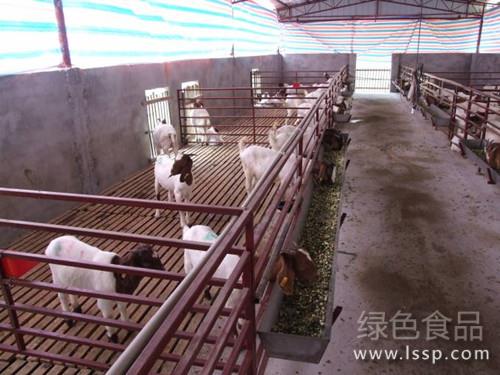
The housed sheep are small and weak with poor body condition; how can their feed intake be increased?
The housed sheep are small and weak with poor body condition; how to increase the feed intake of housed sheep
-
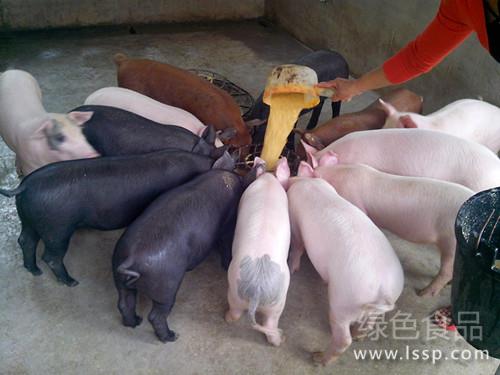
Feeding wet feed to weaned piglets works well and can increase feed and water intake
Can increase feed and water intake in piglets; feeding wet feed to weaned piglets works well
-
When egg weight requirements are not high, how can the feed intake of laying hens be reduced while ensuring the laying rate?
When there is little requirement for egg weight, how can the feed intake of laying hens be reduced while ensuring the laying rate?
条件筛选