Feeding wet feed to weaned piglets works well and can increase feed and water intake
Wet feed is a mixture prepared from conventional dry feed and a liquid carrier such as water or liquid by-products of food processing in a certain proportion. Piglet feed or swill soaked thoroughly in hot water in rural areas is a typical example of wet feed. At present, as the weaning age of piglets continues to shorten, weaning stress in piglets, especially feed stress, is becoming greater and greater. Using wet feed can effectively reduce weaning stress and promote normal growth of piglets after weaning.
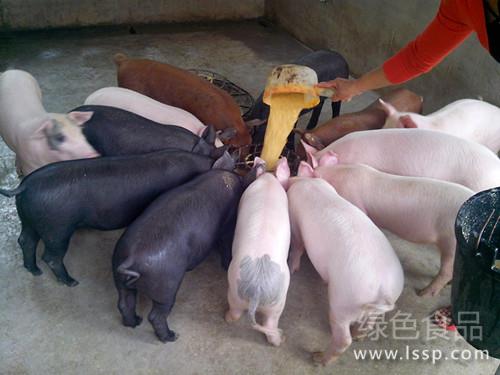
Wet feed for piglets
(1) Advantages of wet feed for weaned piglets:
(1) It can maintain the health of the digestive tract environment of piglets after weaning and prevent diseases such as diarrhea. After piglets are weaned, direct feeding of dry feed will lead to atrophy of the small intestinal villi and deepening of the crypts. This affects the digestion and absorption of nutrients by the digestive tract and thereby causes digestive tract diseases such as diarrhea. The physical form of wet feed is relatively similar to breast milk, which can reduce the adverse effects of a sudden change in feed form on the structure and function of the piglet digestive tract.
(2) It can increase the feed intake and water intake of piglets. Newly weaned piglets have not yet fully learned to eat and drink independently, so they cannot yet fully adapt to dry feed. The form of wet feed is similar to breast milk, which not only makes it convenient for piglets to eat, but also helps promote the development of the piglet gastrointestinal tract and increase the volume of the digestive tract.
(3) It increases the daily weight gain and feed efficiency of weaned piglets. Because wet feed, on the one hand, maintains the health status of weaned piglets, and on the other hand increases feed intake and improves gastrointestinal digestion and absorption function, it can increase the growth rate and feed efficiency of weaned piglets.
(4) It not only saves water, but also reduces feed dust. When water is supplied to piglets with drinkers, losses such as dripping and leakage are large, and when water is supplied through troughs, the remaining water must be drained before each feeding, which also causes great waste. When the wet feeding method is used, piglets also take in a large amount of water while eating, thus reducing water waste. In addition, after the feed is mixed wet, dust is reduced, which not only reduces feed waste, but also reduces respiratory diseases in piglets caused by feed dust.
(2) Preparation of wet feed for weaned piglets:
(1) Manual method: that is, dry feed and water are mixed directly in medium or small feed barrels or troughs and then fed to weaned piglets. This manual mixing method is suitable for small-group raising or free-range raising in rural areas. In cold seasons, preheating the water gives better results.
(2) Mechanical method: mechanized wet feeding facilities can save labor, reduce feed waste, improve feed utilization, and increase the feeding frequency of piglets, with good feeding results. This technology can be promoted and applied to weaned piglets in large and medium-sized pig farms.
(3) Microbial fermentation preparation: according to the requirements of a silage pit, build a small pit in or near the pig farm, mix solid feed and water in a certain proportion, place it inside, and preferably inoculate a batch of beneficial bacteria (Lactobacillus, yeast, etc.) to let it ferment. The fermentation raw material can be roughage or roughage + concentrate. When feeding, take out the fermented material, add other concentrates, and mix with water to prepare wet feed. This method is more suitable for small pig farms.
(3) Key points to note when wet feeding weaned piglets:
(1) The dry matter concentration of wet feed should be appropriate: an appropriate dry matter concentration helps further reduce the irritation of wet feed on the gastrointestinal tract of weaned piglets. The dry matter concentration of sow regular milk is about 19.6%, so when piglets have just been weaned, a water-to-feed ratio of about 5:1 in wet feed gives better results, and it can be gradually increased as the piglets grow older.
(2) Ensure sufficient nutrient supply: good wet feed must be able to provide weaned piglets with sufficient nutrients such as protein, energy, and minerals, so the dry feed raw materials used to prepare wet feed need to have a very high nutrient concentration.
(3) Keep the wet feed and trough clean: when wet feed is prepared by fermentation, residual feed in the trough after each feeding has little effect, because there are still a large number of beneficial microorganisms in the remaining feed and it will not become moldy. However, when other wet feeding methods are used, the trough should be cleaned frequently to prevent harmful microorganisms such as mold from causing spoilage of the remaining feed. If food processing scraps or swill are used to make wet feed, they should also be as fresh as possible and must not be spoiled.