The housed sheep are small and weak with poor body condition; how can their feed intake be increased?
Sheep kept in long-term housing tend to have lower feed intake, poorer body condition, weaker constitutions, smaller body size, and lower production performance than grazing sheep. Therefore, the following measures can be taken to increase the feed intake of housed sheep.
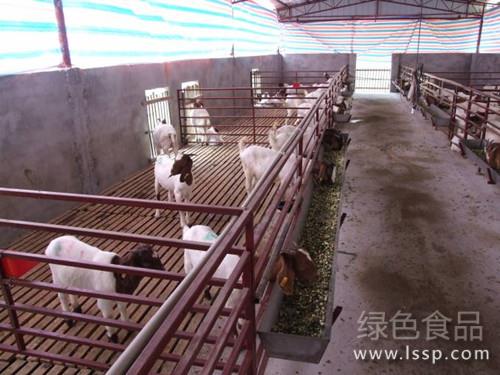
Feed intake of housed sheep
Rational combination of concentrate and forage:
Housed sheep generally have a poorer appetite, so in production, feeds that are palatable, varied, and easy to digest should be selected and prepared to ensure comprehensive and balanced nutrition, meeting the sheep's needs for growth and development, reproduction, and weight gain. The sheep's diet should have a relatively high nutrient concentration. Since sheep are ruminants, coarse feed in the diet should account for 2/3 of the total diet, and concentrate feed can account for 1/3 of the total diet. To increase the nutrient concentration of the sheep's diet, coarse feed can be crushed, softened, or fermented and then mixed with concentrate feed; where conditions permit, it can be made into pellets, creating conditions for the coarse feed to be consumed and utilized.
Feed coarse first, then fine:
If there are no conditions or no need to crush or pelletize the coarse feed, in production the green grass, crop straw, green hay, and other coarse feed should first be chopped to 1-2 cm in length before feeding to the sheep, and after the sheep finish the coarse feed, the concentrate feed should then be fed. This can encourage the sheep to consume more.
The feeding principle is to add little but often. When feeding forage to sheep, the sheep's appetite is generally quite strong; adding little but often can keep the sheep always feeling that there is not enough, so they will not become tired of it or picky. Adult sheep are fed 3 times a day, at around 6 o'clock, 12 o'clock, and 18 o'clock respectively; lambs can be fed 1-2 additional times, and in summer the times can be adjusted appropriately. In winter and spring, because the days are short and the nights are long, one additional feeding can be given at night. In addition, a certain amount of hay should be supplied to the sheep for free feeding, to make up for the phenomenon that some sheep do not eat their fill. Ground feeding should be avoided as much as possible; lightweight racks made of welded wire or wood should be hung in the sheep shed, which saves forage, time, and labor and is also hygienic. This feeding method is relatively close to the natural grazing habit, is beneficial to the sheep's growth and development, and reduces the occurrence of disease. Adding little but often can also prevent the sheep's nostrils from blowing air and making the feed smell off. At the same time, it also allows continuous observation of the sheep's feeding situation, so that grabbing feed, stopping eating, insufficient feed, or leftover forage can be discovered at any time, allowing timely corresponding measures to be taken.
Forage should be changed gradually:
Sheep have a certain adaptation period to forage and feed; abruptly changing the forage will disrupt the sheep's feeding habits. In mild cases, the sheep become restless and feed intake decreases; in severe cases, digestive function is disturbed, causing constipation or diarrhea, or even death. Therefore, in production, forage should be changed gradually, not suddenly.
Appropriately feed green, succulent forage:
Natural pasture grass, artificially cultivated forage grass, green forage crops, twigs and tender leaves, root tubers and tubers, melons, and other green, succulent forages have high moisture content, low dry matter content, high crude protein content in the dry matter, many kinds and large amounts of vitamins, rich and properly proportioned inorganic salts, and relatively high carbohydrate content. They are palatable, and sheep like to eat them, making them very good health feed for sheep. Frequent feeding can expand the volume of the sheep's stomach and increase the sheep's appetite.
Let the sheep drink enough water:
The sheep's rumen is a large fermentation vat, and the water content of the rumen contents is 84-94%. Only when the forage and feed eaten by the sheep are soaked in enough water can they be fully mixed with the anaerobic ciliates, bacteria, and fungi in the rumen and be decomposed and digested. If water intake is insufficient, it will directly affect the digestion of forage and feed by rumen microorganisms, thereby reducing the sheep's feed intake through feedback. To encourage the sheep to drink more water, cornmeal or mixed concentrate feed, salt, and the like can be mixed with boiling water into a paste, then diluted with cold water. In winter the water temperature should be a little higher, and in summer the water temperature should be a little lower. For every 1 kg of dry matter the sheep consumes per day, about 3-4 kg of water is needed.
Strengthen the sheep's exercise:
Housed sheep get less exercise than under grazing conditions. Insufficient exercise not only causes a reduction in the sheep's feed intake, but also makes the sheep's constitution weaker and more prone to respiratory system and limb and hoof diseases. Under housing conditions, to promote the sheep's exercise, a sufficiently large exercise yard should be provided. The exercise yard can be set up as a ring shape; in addition to letting the sheep move freely, the flock should also be driven at fixed times and in fixed amounts every day to force them to exercise.
Add appetite enhancers:
Sheep using their sense of smell to find food is a most basic biological function; olfactory chemoreceptors are excited by the stimulation of aroma and transmit the excitement to the digestive organs, thereby arousing the sheep's appetite. Therefore, aromatic enhancers and pungent agents such as Cyperus rotundus, Sichuan pepper, chili pepper, cinnamon bark, ginger, garlic, scallion, fennel, coriander, Angelica dahurica, and mugwort leaf can be appropriately added to the feed, which can dispel wind and disperse cold, strengthen the stomach, and promote digestion; long-term addition can increase the sheep's feed intake.