-
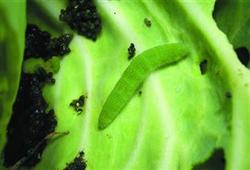
Application of Pieris rapae granulosis virus insecticide in vegetable production
Pieris rapae granulosis virus, trade names: Yangkang, Wuzhou No. 1, Pieris rapae virus, Wuda Oasis Precision Chongke, common name: Pieris rapae granulosis virus, main formulation is concentrated powder, is a live virus insecticide, processed from the bodies of insects killed by Pieris rapae granulosis virus infection, belongs to low-toxicity insecticides, only against...
-
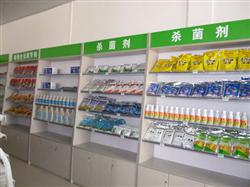
What are the common contraindications for insecticide use?
1. Chlorpyrifos is prone to causing phytotoxicity when used during the melon seedling stage, and its use should also be avoided during the flowering stage of some crops. 2. Pesticides containing triazophos should not be used on fruit sugarcane, as they are prone to causing phytotoxicity. 3. Because phoxim decomposes readily in light, its use should be avoided during the watermelon growing period and at the seedling stage of radishes and leafy vegetables (even avoiding use during the growing period...
-
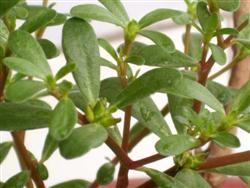
How to prevent and control flower diseases? Learn to make homemade insecticides
Common chemical agents cause varying degrees of phytotoxicity to vegetables and fruits. For example, omethoate should not be used within 30 days before harvest; malathion is phytotoxic to melons and peaches; fenitrothion is phytotoxic to cruciferous plants and should not be used within 15 days before harvesting fruits and vegetables. Dichlorvos should not be used within one week before harvesting fruit trees and vegetables...
-
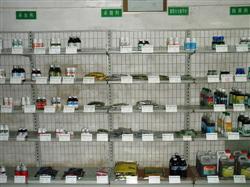
What Types of Pesticide Insecticides Are There? A Detailed Guide to Selection Precautions
1.1 Classification by composition and source: Inorganic insecticides, such as lead arsenate, calcium arsenate, arsenites, sodium fluoride, sodium fluorosilicate, sulfur, zinc phosphide, etc. Organic insecticides. Natural organic insecticides can be divided into botanical insecticides (such as derris, pyrethrum, tobacco, pine resin, santonin, toosendanin, etc.) and mineral-derived insecticides...
-
Six key taboos to remember when using bacterial biological insecticides
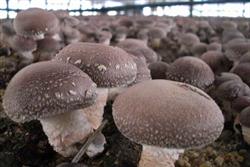
Edible fungi suffer pest damage during the mycelium growth and mushroom fruiting stages due to the distinctive odor of the mycelium, so insecticides are often used when pest damage occurs. When pest damage occurs in edible fungi, the first step is to choose insecticides that are highly effective, low in toxicity, and have a short residual life, such as decis and dichlorvos; do not use banned substances such as benzene hexachloride (BHC) and DDT...
-
Applicability of insecticides in sustainable rice pest management
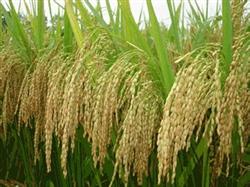
Based on a comprehensive analysis of toxicity, insecticide resistance, effects on beneficial organisms and other aspects, the applicability of insecticides in sustainable rice pest management can be divided into 5 categories. The first category is applicable insecticides, namely fipronil, chlorpyrifos and pymetrozine; the second category is insecticides suitable for mixed use, mainly abamectin, Bt...
-
Six precautions to note when using bacterial biological insecticides
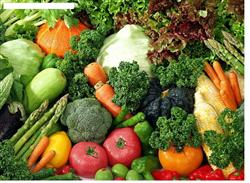
Biological pesticide: BT, Chinese name Bacillus thuringiensis, is a bacterial insecticide. This variety has been fully used in the main vegetable-growing areas of our country and has achieved good economic benefits. However, there are currently many BT manufacturers with varying quality, so when using it you must choose a variety of good quality. Note: BT is effective when the temperature is slightly higher...
-
There's more to choosing an insecticide than meets the eye: remember these four things to look for
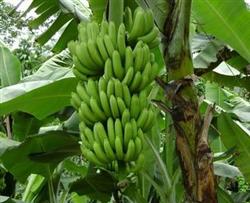
(1) Derris extract is a botanical insecticide extracted from the roots of derris, with contact and stomach poison action, and is quite effective against aphids and lepidopteran larvae. It is extremely safe for humans, livestock and crops, and is especially suitable for use on fruit, vegetables, tea and mulberry; the usual spray is a 500-800 times dilution of 2.5% derris extract emulsifiable concentrate. (2) Bacillus thuringiensis belongs to Bacu...
-
Sensitivity of Crops to Common Insecticides and Fungicides and Precautions for Use
① Take 200 g of scallions, chop them, soak them in 10 L of water for a day and a night, filter the liquid, and use it to spray the affected plants several times a day for 5 consecutive days. ② Take 200-300 g of garlic, crush it and extract the juice, dilute it with 10 L of water, and use it immediately to spray the plants. ③ Take 400 g of tobacco powder and soak it in 10 L of water for two days and two nights...
-
Bt insecticide application techniques matter; mastering the method is key
Ethephon is an organophosphorus broad-spectrum low-toxicity plant growth regulator that promotes ripening. It can enter the plant through leaves, bark, fruit, and seeds, then be transported to the sites where it acts, releasing ethylene. It can promote fruit ripening and coloring, promote the abscission of leaves and fruit, dwarf plants, and change the ratio of female to male flowers...
条件筛选