-
How to Take Camellia Cuttings in Spring: Detailed Methods and Steps
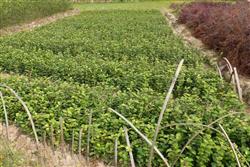
How do you take camellia cuttings in spring? Here is an introduction to the method. The best time for taking camellia cuttings is from early April to May. Choose current-year, semi-lignified, brown branches and cut them into 10 cm to 15 cm cuttings with 3 buds, cutting at the point just below a basal node. Keep 1 to 2 leaves on each cutting. After cutting, immediately place the base...
-
Disease Prevention and Control Methods for Azaleas in Spring and Summer
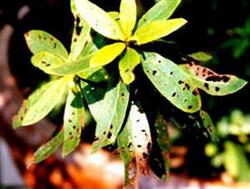
What diseases should azaleas be protected from in spring and summer? The diseases that azaleas are prone to in spring and summer include: (1) Black spot disease. If azaleas (including large-flowered azaleas and all types of Western azaleas) are placed in a stuffy, unventilated location and are kept in shade for a long time, then when humid weather occurs or when daily watering is excessive, this disease is easily triggered; it is...
-
What are the key technical points for spring management of mulberry trees?
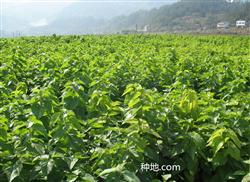
How should mulberry trees be planted to achieve high yields? Mulberry is a perennial woody plant. Mulberry leaves are the main nutritional organ of the mulberry tree and also the primary "food" for silkworms. Therefore, the amount of leaves produced by mulberry trees will directly affect the healthy growth of silkworms. High-yield cultivation techniques for mulberry leaves can be considered from the following aspects. 1...
-
What types of common poplar diseases occur in spring?
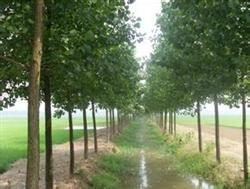
Poplar canker mainly occurs during the process of seedling transplanting. The disease begins in late March, peaks from mid-April to late May, basically stops in early June, and slightly develops after October. This disease can infect the trunk, root collar and large branches, but mainly damages the middle and lower parts of the trunk. In the early stage of the disease, near the lenticels on the trunk...
-
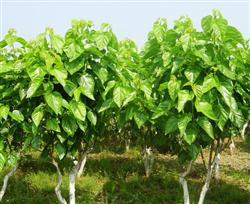
Key Technical Points for Spring Pest Control and Fertilization of Mulberry Trees
First, pest control must be strengthened. The pests harming mulberry trees in spring are the "mulberry looper" and the "mulberry tussock moth," which mainly feed on mulberry buds and tender leaves. For control, during the mulberry bud stage, a 1000-fold dilution of "dichlorvos" solution can be sprayed; once the mulberry leaves have grown larger, manual catching is the main method. Second, fertilize at the right time. Applying spring fertilizer promptly can promote...
-

Detailed Key Points for Home Care of Phalaenopsis (Moth Orchid) in Spring and Summer
When you buy a flowering plant in spring (March-May), the rising spring temperatures make it a good time to grow the plant. However, the plants sold on the market during this period have been cultivated all winter in production greenhouses with a minimum temperature above 20°C, so the plants are not very cold-tolerant. After purchasing the plant, it should be acclimated: place the pot in a spot where the minimum temperature at dawn is above 10°C; if you have a hotbed or an air-conditioned room, place the pot in the center, apply slight heating, and protect it. During the 1-month adaptation period
-
Key Techniques for Winter and Spring Cutting Propagation of Carnations
Carnations are generally propagated by cuttings, carried out in winter and spring, and can be done anytime from December to April of the following year. The lateral buds used as cuttings at this time grow robustly and are of the best quality. At the same time, cuttings taken during this period can control the plants to bloom at New Year's Day and the Spring Festival of the following year. First, the growing medium should be prepared, generally using garden soil mixed with 30%-40% rice husk ash or sandy soil, mixed evenly, then placed in cutting pots or wooden boxes. Cutting must be done in a greenhouse, selecting cuttings from mother plants that are vigorous in growth, uniform in flowering, and have thick, short-jointed branches.
-
Key Techniques for Winter-Spring Cutting Propagation of Carnations
Carnation is an annual or perennial clump-forming herbaceous flower of the genus Dianthus in the family Caryophyllaceae. Its propagation can be carried out by sowing, cuttings, layering, tissue culture and other methods, but cutting propagation is generally the most commonly used, carried out in winter and spring. Generally speaking, carnation cuttings can be taken from December to April of the following year, with January to February being the most suitable; at this time the lateral buds used as cuttings grow vigorously and are of the best quality. At the same time, cuttings taken during this period can control the plants to bloom at New Year's Day and Spring Festival of the following year. The survival rate of cuttings taken in March is also
-
Experience sharing on forcing cultivation of tulips to bloom during Spring Festival
Tulips have strong cold resistance, tolerating low temperatures of -35°C in winter, and can grow normally at 5°C-8°C, making them suitable for winter forcing cultivation. Forcing cultivation of tulips means breaking the dormancy of flower primordia and leaf primordia through variable temperature treatment of the bulbs, eliminating factors that inhibit flower bud germination, and promoting flower bud differentiation, then through artificial heating, supplemental lighting and other measures, making tulips bloom outside their natural flowering period. Currently on the market there are commonly 5°C bulbs and 9°C bulbs; we generally choose 5°C bulbs for forcing cultivation to bloom during Spring Festival. Substrate
-
条件筛选