-
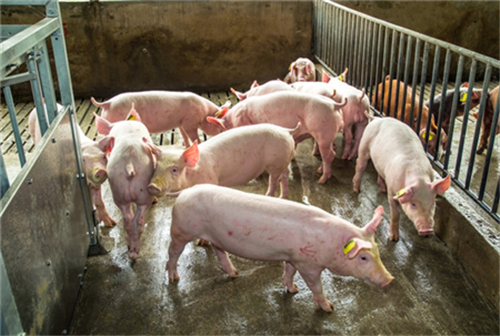
Decay Patterns of Maternal Antibodies in Piglets and Reference Immunization Ages
Decay Patterns of Maternal Antibodies in Piglets and Reference Immunization Ages
-
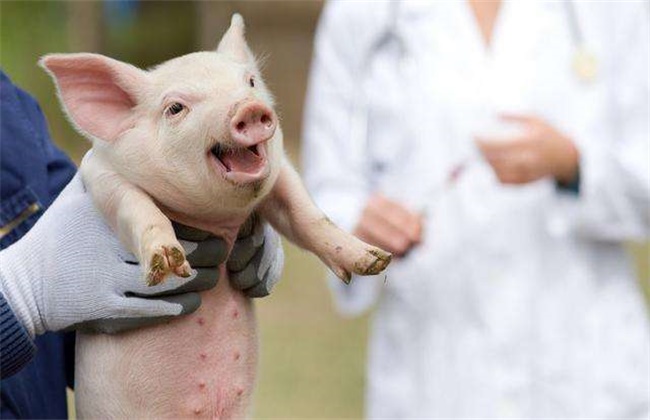
Analysis of the Causes of Immunization Failure in Pig Farms and Prevention and Control Measures
Causes of Immunization Failure in Pig Farms and Prevention and Control Measures
-

How do the immunization methods differ for different types of pigs?
Immunization of replacement gilts. Replacement gilts should be vaccinated with the following vaccines 1 month before mating, and sows after weaning should be vaccinated as follows: (1) Swine fever vaccine, 4 doses per head. (2) Swine erysipelas and swine pasteurellosis combined vaccine, 1 dose per head. (3) Swine Japanese encephalitis vaccine, 1 dose per head. (4) Porcine parvovirus vaccine, 1 dose per head (the inactivated vaccine can be given twice, with an interval of 15 days). (5) Swine pseudorabies vaccine, used according to the instructions. Immunization of farrowing pigs. Farrowing sows should be vaccinated with the following vaccines 15-40 days before farrowing: (1) Piglet Escherichia coli quadruple vaccine (K88, K99, 9
-
Detailed Explanation of Pig Immunization Programs: Vaccination Schedules for Pig Farms
Pig farms must always uphold the principle that prevention is more important than treatment, and establish a strict epidemic prevention system. To ensure good returns from pig farming, on the basis of regularly disinfecting pig farms and pens, the following immunization procedures must also be properly carried out: 1. Immunization of replacement gilts. Replacement gilts 1 month before mating, and multiparous sows after weaning, should be vaccinated as follows: 1. Swine fever vaccine, 4 doses per head; 2. Swine erysipelas and swine pasteurellosis combined vaccine, 1 dose per head; 3. Swine Japanese encephalitis vaccine, 1 dose per head; 4. Porcine parvovirus vaccine, 1 dose per head
-
Key Technical Points and Detailed Explanation of Epidemic Prevention Methods for Swine Disease Immunization
Reference Immunization Program 1. Vaccines Recommended for General Inoculation 1.1 Classical Swine Fever Immunization: Newborn piglets receive their first vaccination with the conventional dose of lapinized attenuated classical swine fever virus vaccine at 20 days of age. (It is best to promote zero-time pre-immunization.) Piglets at 50-60 days of age receive the routine second immunization. Selected replacement pigs receive a third immunization before participating in mating. 1.2 Swine Paratyphoid Immunization: The entire herd of adult and replacement pigs are immunized at conventional doses in March of spring and September of autumn. Pig
-
What are the precautions for pig immunization? Pig farmers need to master these key points
Pig farmers immunize their pigs once, twice or more times every year, but the pigs still contract infectious diseases they have been immunized against, causing huge losses. What is the reason? This has a great deal to do with neglecting the precautions for immunization. Therefore, we offer a reminder to pig farmers. First, be careful to buy vaccines from reliable sources. Vaccines or bacterial vaccines need to be managed by special methods so they do not lose their efficacy. Before buying a vaccine or bacterial vaccine, confirm whether the department selling the vaccine has a certain level of technical capability, so as to ensure the efficacy of the
-
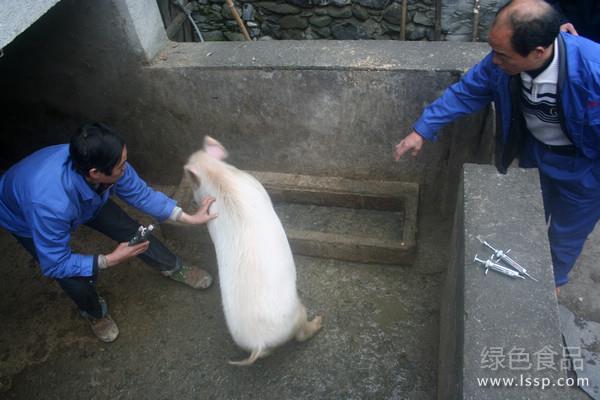
Precautions for Preventing Adverse Reactions During Livestock Immunization
Precautions for Preventing Adverse Reactions in Livestock Immunization
-
What to Do When Chicken Immunization Is Ineffective? Cause Analysis and Countermeasures
Now many chicken farmers generally report the following problems: (1) The flock is fine when not vaccinated, but as soon as they are vaccinated, the flock breaks out with disease. (2) Sometimes the flock breaks out with disease before they have even been vaccinated. (3) No matter what measures are taken, the immune effect of the vaccine is always poor. Why do these problems occur? The reason is that the chickens' immune organs have been damaged. After the immune organs of chickens are damaged, the body's resistance to bacterial and viral infections declines, and the flock is very prone to large outbreaks of various epidemic diseases, bringing huge economic losses to the poultry industry. So
-
What are the reasons for pig immunization failure?
(1) The immunization program is unreasonable. Only a scientific immunization program will produce good immunity; if the immunization program is unreasonable, the immunity will be correspondingly reduced. With the conventional rush immunization injections in spring and autumn, because of missed prevention and missed injections, some pigs that should have been immunized do not receive immunization, causing some pigs to become ill. (2) The epidemic prevention system is not strict. Some epidemic prevention workers and pig raisers, fearing that piglets will have a reaction and die after vaccination, do not carry out immunization injections, resulting in a decline in the immunization coverage rate of the pig herd
-
What are the four major factors that determine the success or failure of chicken immunization?
I. Vaccine factors 1. Selection of vaccines: Products produced by biological products enterprises that have passed GMP acceptance and have a formal production license and approval number from the Ministry of Agriculture should be purchased. When purchasing, carefully inspect the vaccine vials. Any vial that is broken, has no label, has unclear label printing, has a loose cap, contains impurities, has changed color, shows separation of the emulsion layer in inactivated vaccines, is expired and ineffective, or has not been stored under the prescribed conditions must not be selected. 2. Storage of vaccines: Store strictly according to the requirements of the instructions, avoiding repeated freezing and thawing caused by fluctuating temperatures, which can inactivate the vaccine or reduce its potency; direct sunlight is strictly prohibited; vaccines that have been diluted and are not used up, as well as vaccine vials and instruments, must be inactivated.
条件筛选