-

How are enoki mushroom cultures cultivated? A detailed explanation of the cultivation method
How are enoki mushroom cultures cultivated? What should be noted? Experienced netizens are also asked to help explain. Enoki mushrooms are grown in relatively large quantities in China and are also the first choice among everyday edible mushroom species. Zhongdiwang has compiled the cultivation methods for enoki mushroom cultures, listed below for netizens' reference. Selection of enoki mushroom mother cultures: ...
-
How are mushroom spawn cultivated when growing wine cap mushrooms?
How are wine cap mushroom spawn cultivated? Please provide an introduction to the method. Wine cap mushroom spawn can be cultivated by referring to the following method: after inoculation, place the spawn bottles or bags in a culture room at 20 to 28°C for cultivation. After the wine cap mushroom mycelium has grown for a few days, the mycelial growth rate will gradually slow down, and the method to accelerate mycelial growth is...
-
How are silver ear mushroom cultures made? Detailed step-by-step explanation
How are silver ear mushroom cultures made? Please provide an introduction to the method. The raw materials for growing silver ear mushrooms are widely available and easy to obtain, so there is great potential for development. A farming household, using just 2 rooms of 15 sq m, can grow 2500 bags at a time, 6 batches a year, with a net profit of more than 8000 yuan. Every 100 kg of cottonseed hulls or mixed wood chips can yield...
-
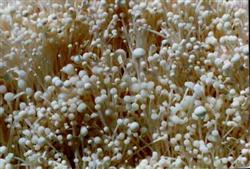
How to reuse enoki mushroom waste? Practical methods shared
During the spawn-running period, enoki mushrooms (Flammulina filiformis) often show abnormal phenomena due to improper management and other reasons. The causes and preventive measures for the main problems reported by mushroom growers are introduced below for reference. 1. Spawn blocks fail to germinate. After inoculation, the spawn does not germinate, and the mycelium turns yellow and withers. Causes: (1) The spawn has been stored for too long...
-
How to prevent spawn degeneration in button mushrooms? Practical prevention and control methods shared
How to prevent spawn degeneration in button mushrooms? Please provide methods to prevent spawn degeneration in button mushrooms. It can increase yield, reduce the occurrence and development of pests and diseases, and reduce pesticide use. It is the foundation of organic button mushroom production. The following methods can be used for prevention: 1. The ambient temperature for culturing spawn must not exceed 2...
-
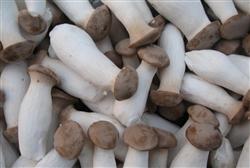
How to Grow King Oyster Mushrooms: A Detailed Guide to Cultivating Rare Edible Mushrooms
King oyster mushroom (Pleurotus eryngii) is a precious fungus valued both as food and medicine. Its caps are thick and fleshy with a crisp, tender texture, and its stems are densely structured, creamy white and firm, and rich in nutrients. It has been listed as one of the edible mushrooms with the greatest development potential in the 21st century. Because of its relatively high contamination rate and low biological conversion rate, production fluctuates greatly, and cultivation numbers and yields...
-

How to prepare mushroom growing substrate? Sharing a family recipe
Making a good mushroom growing substrate is key. You can choose mold-free corn cobs and crush them to the size of broad bean grains, using 80% corn cobs, 12% rice bran, 4% cornmeal, 1% gypsum, 1% superphosphate, 2% lime. Weigh out the required amount of each material. To improve its nutritional value, you can add fermenting agents such as JINBAOBEI fermenting agent at about 5% to improve fermentation quality, mix thoroughly, add water and stir evenly. The moisture content should be 65%, that is, when you squeeze the substrate in your hand with moderate force, water should appear between your fingers but not drip down. The material should be fully
-
How to control mushroom mites? Four trap-killing methods shared
Mushroom mites are one of the common pests in mushroom production. Controlling them with low-concentration chemical pesticides often yields poor results. Below are four methods for trap-killing mushroom mites, which are quite effective and can be chosen by mushroom growers. Rapeseed cake trap method: Heated rapeseed cake has a strong oily fragrance. On the bed surface where mushroom mites are causing damage, lay several pieces of wet cloth, and place gauze on top of the wet cloth. Sprinkle freshly roasted rapeseed cake powder on the gauze. After the mushroom mites gather on the gauze, remove it and scald them to death with boiling water. Sugar-vinegar trap method: Use
-
How to Keep Edible Mushrooms Fresh? These 4 New Methods Are Worth Trying
Edible mushroom fruiting bodies are prone to browning and rotting and are difficult to store, which affects their commercial value. Here is a brief introduction to several new methods for keeping edible mushrooms fresh. 1. A new chemical preservation method for oyster mushrooms: Remove impurities from fresh oyster mushrooms and spread them flat on a clean plastic film. Prepare a chemical compound preservative solution of a certain concentration (calcium propionate at 0.3% concentration, potassium sorbate at 0.1% concentration, sodium sulfite at 0.25% concentration), use a sprayer to evenly spray both sides of the oyster mushrooms, then place them in fully sealed plastic bags and store them in a clean and hygienic place. This can make
-
How to keep edible mushrooms fresh? Ten practical methods shared
1. Cold storage preservation: After harvesting, the fresh mushrooms are sorted and placed in baskets, covered with multiple layers of wet gauze or burlap. In a cool place, place a vat containing a small amount of clean water, set a wooden rack above the water, place the baskets on the rack, and seal the vat opening with plastic film. 2. Dormancy preservation: After harvesting, place them indoors at above 25°C for 3-5 hours to encourage vigorous respiration, then place them in cold storage at around 0°C for about 12 hours; at around 20°C, the fresh-keeping period is about 4-5 days. 3. Controlled atmosphere preservation: This method artificially controls the temperature of the environment
条件筛选