-

-
How to propagate hostas? A detailed guide to common propagation methods
1. Root division and separation: April to May or October to November each year is the best season for division; divide once the leaves turn yellow and wither. Take out the hosta, remove the soil around the roots, and cut the rhizome into sections, keeping at least 2-3 buds on each section. Be careful to keep the root system, as this makes it easy for them to survive.
-
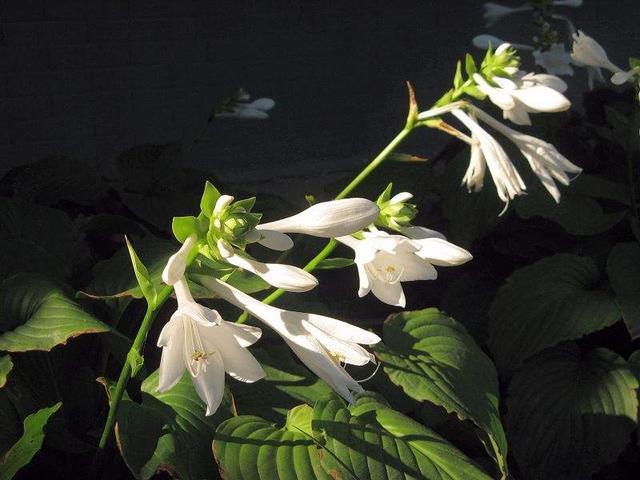
Plant hostas like this: bury the tubers in a flower pot, and two months later they bloom with bell-like flowers
Many flowers and plants love basking in the sunshine, but I wonder if you have ever noticed some plants and flowers that like to grow in dark corners. They do not need plenty of sunlight and prefer to hide quietly in shady corners, needing only non...
-
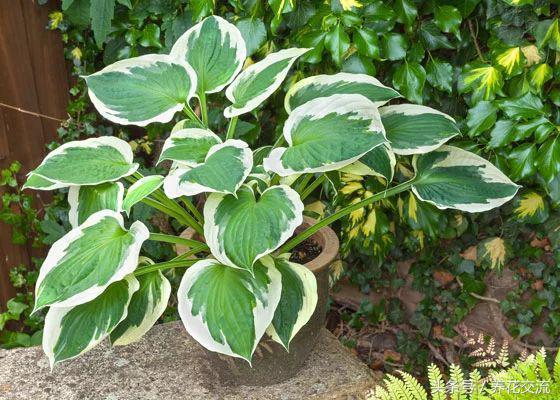
Hosta tubers sprout seedlings in a flower pot and produce charming flowers in less than two months
I really like growing some shade-tolerant plants under the small grove in the backyard. The sunlight in the backyard is not very plentiful, so I need to grow some plants that do not need too much light, and my favorite is the hosta. It has very low light requirements, and with a...
-
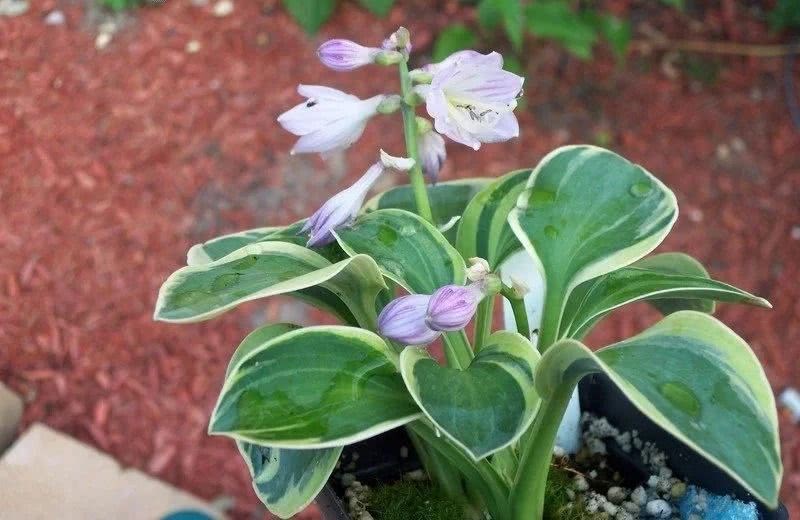
Hosta care tips: beautiful leaves, shade-tolerant, and it can bloom with fragrant flowers even in shaded spots
Hosta is a very common foliage plant, and its flowers are no less impressive, carrying a charming fragrance. It was originally an ornamental plant native to China, generally growing under damp tree shade, and some also grow along riversides. Its...
-

Can hosta be kept at home? Indoor care precautions
Hosta can tolerate partial shade, so it can be kept indoors, but you should not choose large or giant varieties, as they take up a lot of space. For indoor growing, you can choose dwarf or miniature varieties, such as mouse ears, 'Missile' and other small varieties; some varieties also have leaf colors and shapes with great ornamental value, making them especially suitable for indoor growing.
-

Is the hosta poisonous? Find out about its toxicity before deciding whether to grow it
The hosta is not poisonous. Normal contact such as caring for it or viewing it will not cause any poisoning, and it can even be eaten in Japanese cuisine, so you can rest completely assured. It is a shade-loving plant and cannot tolerate too strong light; in most parts of China it can overwinter outdoors.
-

How do you care for hostas so they fill out the pot? A full guide to growing techniques
To get hostas to fill out the pot, four conditions must be met: First, suitable light - the light must not be too bright, and they should be grown in a semi-shaded spot. Second, loose soil - they need loose, fertile, well-draining soil, and the potting soil should be low in salt. Third, plenty of water - they need ample moisture, and the potting soil should stay moist at all times. Fourth, reaching a certain age - they usually fill out the pot after about three years of growth.
-

When Does the Hosta Bloom? An Introduction to Its Blooming Season
The hosta's blooming season runs from early summer to midsummer, with the main blooming period in China falling between June and August; the season varies with different varieties and regions. Purple varieties bloom in mid-June, while white ones usually bloom in July and August. Across China, from June to September, different hosta varieties can be seen blooming in different regions.
-
How to grow hostas? Planting methods for the shade-tolerant ground cover plant hosta
Hosta is a perennial herbaceous plant of the genus Hosta in the lily family (Liliaceae), with large, unusual leaves that are glossy and emerald green. The flower scapes stand upright above the foliage, and both flowers and leaves are beautiful. It blooms from July to September, with flowers as white as jade and fragrant, making it a lovely, elegantly simple summer ornamental flower. Today there are many horticultural varieties, and the many variegated foliage cultivars enrich the visual appeal.
条件筛选