Hosta care tips: beautiful leaves, shade-tolerant, and it can bloom with fragrant flowers even in shaded spots
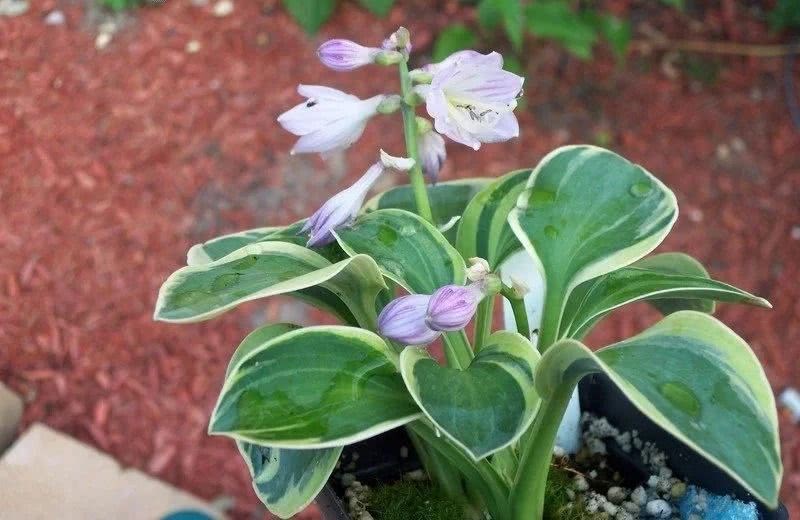
Hosta is a very common foliage plant, and its flowers are no less impressive, carrying a charming fragrance. It was originally an ornamental plant native to China, generally growing under damp tree shade, and some also grow along riversides. In fact, it has a great many varieties, and some hostas with variegated leaves are very expensive.
You can plant hostas directly in the yard, and in shaded conditions they can also be grown indoors or on a shaded balcony.
Hostas are very suitable for growing in pots. You can choose a breathable, well-draining clay pot, tile pot or plastic pot for growing them. For the soil, choose humus-rich, slightly acidic humus soil, and you can add an appropriate amount of river sand or perlite to the soil to increase drainage capacity.
Hostas are fairly adaptable to their environment. Some varieties with patterned leaves can be kept in a spot with more sunlight, but direct sunlight or excessive exposure must be avoided.
Green-leaved hosta varieties are more shade-tolerant and can grow in dim environments. Most hosta varieties cannot be kept in places with direct sunlight, especially when summer temperatures are relatively high, so shading care is a must in the afternoon.
For some varieties with variegated leaves, a bit more light should be provided. During the growth process, you should also avoid the soil becoming excessively dry. In spring and summer, keep the soil moist, but avoid waterlogging in the soil. You can wait until the soil about 3 cm below the surface has dried out, then water thoroughly.
Caring for hostas also requires giving them enough space, because its tubers will keep dividing and will quickly fill a large area.
If you choose to grow hostas in pots, you need to select some smaller varieties, some of which are even only palm-sized, and you can also choose different varieties to combine together.
Hostas have strong resistance to pests and diseases, but they are relatively likely to attract snails and slugs. Slugs, also known as shell-less snails, will eat hosta leaves completely bare.
The environment for caring for hostas should avoid excessive humidity, and the growing location should remain ventilated and have light exposure. If the leaves hold water for a long time, they are very likely to be attacked by slugs and shell-less snails. You can scatter some pine needles, coffee grounds or crushed eggshells on the soil surface, which can prevent snails and slugs from invading.
If you want to encourage hostas to bloom year-round, you should give them appropriate scattered light every day. In addition, note that in spring and autumn you can give a slow-release organic liquid fertilizer once every 2-3 weeks.