-
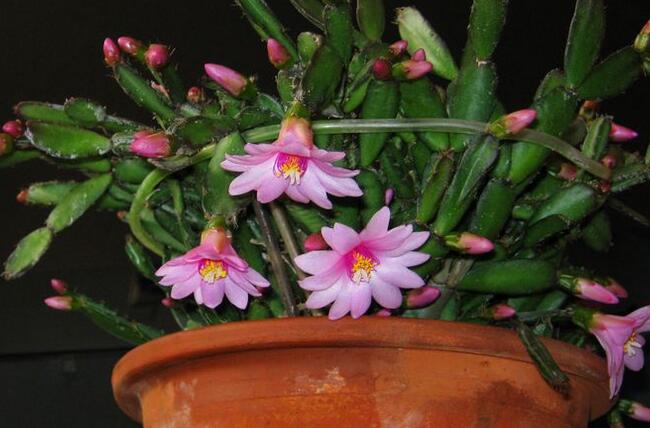
How to grow Rhipsalis rosea? A care guide written for beginner flower lovers
Rhipsalis rosea is native to southern Brazil, where it grows as an epiphyte on tree trunks and forks in subtropical forests. It likes a warm, humid, semi-shaded environment, needs shading and good ventilation in summer; in winter keep the room temperature above 10°C and give it plenty of light. So how do you grow Rhipsalis rosea? Below, the editor brings you the growing methods for Rhipsalis rosea
-

Weeds in sesame fields can be controlled with the herbicide WhiPSuper
[Trade name]WhiPSuper (WhiPSuper) [Common name]fenoxaprop-p-ethyl (fenoxaprop-p-ethyl) [Formulation]6.9% emulsifiable concentrate, 8.05% emulsifiable oil [Dosage]To control barnyardgrass, foxtail, green foxtail, crabgrass and other annual grass weeds, use 750-900 ml of 6.9% WhiPSuper per hectare or 600-750 ml of 8.05% WhiPSuper. To control wild oat, use 900-1050 ml of 6.9% WhiPSuper per hectare
-
How to Make Spicy Potato Chips
1. Preparation of ingredients: 70% potato flour (sift through a 60-mesh sieve, then stir-fry in a wok until fragrant and remove from the wok for later use), 14% chili powder (sift through a 60-mesh sieve and set aside), 10% sesame powder and 2% pepper powder (stir-fry in a wok until fragrant and set aside), 3% salt, 1% sugar. 2. Mixing: Add an appropriate amount of high-quality soy sauce to the above ingredients to make a spicy wet mixture, then place it in a shaping mold and press it into wet chips of various shapes, and air-dry the surface moisture. 3. Frying: Put the spicy chips into boiling oil
-
Processing Technology and Key Operating Points for Potato Shrimp Chips
1. Product characteristics: Crispy and delicious, rich in nutrition. 2. Process flow: Material preparation → slicing → soaking and washing → boiling → sun-drying → finished product. 3. Key production points: Material preparation: Select potatoes free of pests and diseases, mold and rot, and sprouting. Wash them clean with water, drain, and scrape off the skin with a bamboo stick. Slicing: Cut the potatoes into 0.2 cm thick slices with a stainless steel knife, pour them into a water tank, add water, and stir up and down so that the solanine on the slices and the starch adhering to the surface are leached out. Boiling: Pour the soaked potato slices into a pot of boiling water (do not use a raw iron pot),
-
How Potato Chips and Puffed Potato Products Are Made
1. Potato chips (1) Production process: Potatoes → sorting → washing → slicing → color protection → dehydration → vacuum frying → de-oiling → cooling → sorting → packaging → finished product. (2) Key production points ① Slicing and color protection. Because potatoes are rich in starch and have a high solids content, the slice thickness should not exceed 2mm. After slicing, starch quickly exudes onto the surface of the potato slices, and browning occurs if they are left in the air too long, so they should be immediately placed in 98°C hot water for 2min-3min
-
Processing Methods and Technical Key Points for Sweet Potato Chips
1. Process flow: raw material selection -- cleaning -- slicing -- color protection -- dehydration -- vacuum frying -- de-oiling -- cooling -- packaging 2. Operating key points: (1) Raw material selection: select fresh, plump, firm-fleshed oval sweet potatoes that are free from mold, rot, pests, diseases and mechanical damage. (2) Cleaning: first soak the sweet potatoes in clean water for 1-2 hours, then remove the sand, mud and debris from the tubers by hand or with a washing machine, then remove the skin layer of the sweet potatoes with a stainless steel knife and quickly immerse them in clean water. (3) Slicing and color protection
-
Orchid Watering Methods: Handling Five Key Relationships Well
1. Watering and orchid species. Because each orchid species has different growth habits, its water requirements also vary. Cymbidium ensifolium likes moisture, but waterlogging in the growing medium must be avoided. Cymbidium sinense prefers dry over wet; too much moisture easily causes root rot and plant collapse. Cymbidium kanran has a well-developed root system and strong drought tolerance, so the potting soil should be kept on the dry side. Suxin orchids and leaf-variegated orchids require seven parts dry and three parts wet; too much moisture easily causes degeneration. 2. Watering and orchid pots. Clay pots have a rough texture and strong air permeability, and moisture evaporates easily, so water frequently, water generously, and water thoroughly. Plastic pots have low density and poor air permeability, and moisture is consumed slowly; in summer,
-
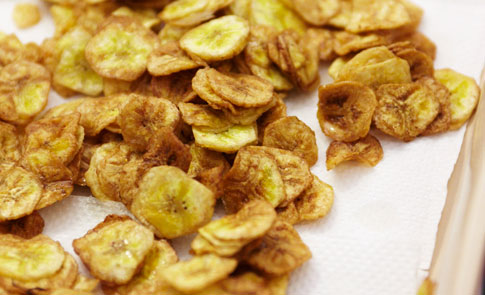
How to Make Green Banana Chips? Deep-Fried Homemade Step-by-Step Tutorial
DIY Guide: Deep-Fried Green Banana Chips
-
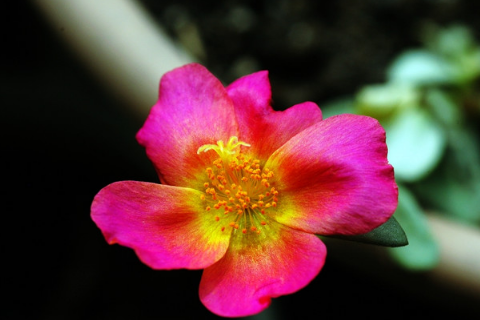
What are the cultivation methods and precautions for Rhipsalidopsis rosea?
Watering: In spring and autumn, water once a week to keep the soil moist. In summer, provide appropriate shade; in winter, keep the soil moderately moist, and the specific watering frequency depends on the room temperature. Fertilizing: Fertilize once a month, using a low-nitrogen fertilizer or a special succulent fertilizer. Light: During the flowering period, ensure sufficient light and move the plant as little as possible to avoid broken stems and fallen flowers
-
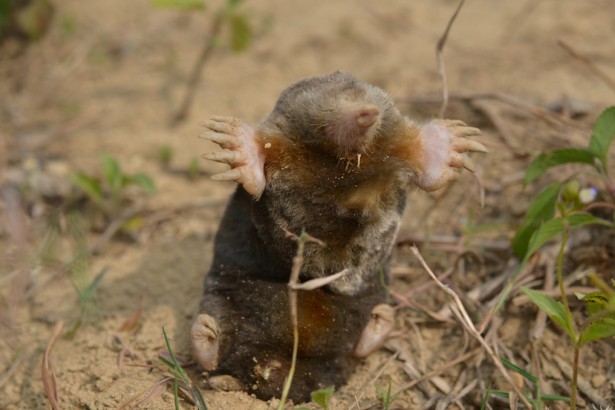
Are gophers hamsters? The differences and relationships between gophers, hamsters, mice and rats
Your own gopher, you deal with it yourself!
条件筛选