-
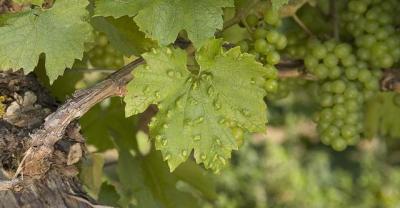
Planting Panax notoginseng has its own rules; behind earning ten thousand yuan per mu in three years lie the bitter hardships of notoginseng growers
Wenshan in Yunnan is famous for Panax notoginseng; the unique geographical location of Wenshan Prefecture and its conditions of light, heat, water, soil and air provide a warm bed for the growth of Panax notoginseng, and for this reason Wenshan...
-
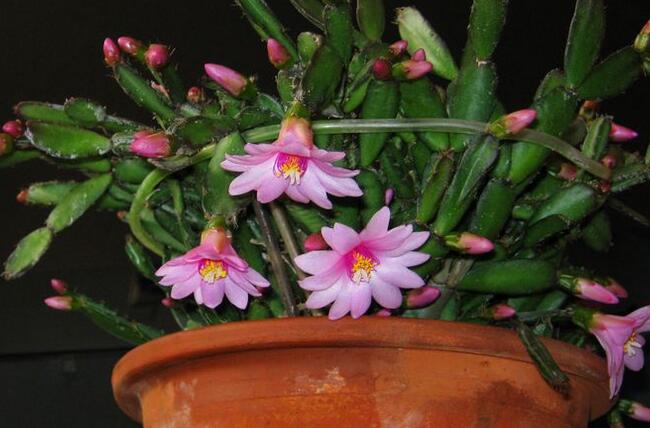
How to grow Rhipsalis rosea? A care guide written for beginner flower lovers
Rhipsalis rosea is native to southern Brazil, where it grows as an epiphyte on tree trunks and forks in subtropical forests. It likes a warm, humid, semi-shaded environment, needs shading and good ventilation in summer; in winter keep the room temperature above 10°C and give it plenty of light. So how do you grow Rhipsalis rosea? Below, the editor brings you the growing methods for Rhipsalis rosea
-

Weeds in sesame fields can be controlled with the herbicide WhiPSuper
[Trade name]WhiPSuper (WhiPSuper) [Common name]fenoxaprop-p-ethyl (fenoxaprop-p-ethyl) [Formulation]6.9% emulsifiable concentrate, 8.05% emulsifiable oil [Dosage]To control barnyardgrass, foxtail, green foxtail, crabgrass and other annual grass weeds, use 750-900 ml of 6.9% WhiPSuper per hectare or 600-750 ml of 8.05% WhiPSuper. To control wild oat, use 900-1050 ml of 6.9% WhiPSuper per hectare
-
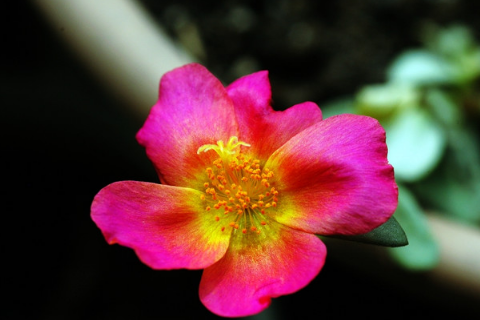
What are the cultivation methods and precautions for Rhipsalidopsis rosea?
Watering: In spring and autumn, water once a week to keep the soil moist. In summer, provide appropriate shade; in winter, keep the soil moderately moist, and the specific watering frequency depends on the room temperature. Fertilizing: Fertilize once a month, using a low-nitrogen fertilizer or a special succulent fertilizer. Light: During the flowering period, ensure sufficient light and move the plant as little as possible to avoid broken stems and fallen flowers
条件筛选