-
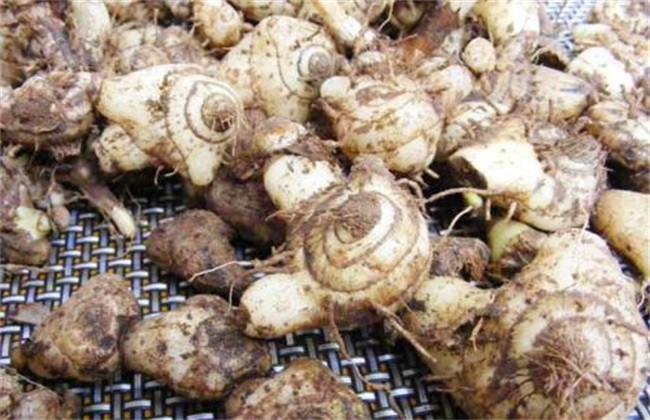
Detailed explanation of high-yield cultivation techniques for Bletilla striata: master the key points for higher yields
High-yield cultivation techniques for Bletilla striata
-

-

How to grow Sichuan pepper for higher yields? Old Li teaches you the three-character formula
Li Maolin, 66, of Gutian Village, Youchou Town, has grown Sichuan pepper for only three years, but his pepper grove reached a yield of 2,000 jin per mu this year. At the current...
-
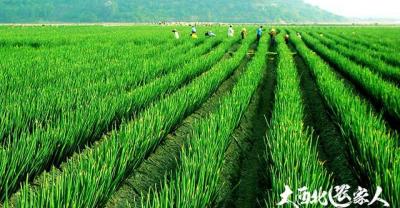
How to grow melons (muskmelons) for higher yields? 5 major growing tips
1. Use cooked soybeans as fertilizer. Boil soybeans, let them cool, and use them as a base fertilizer when planting; this can effectively provide nutrients for the yield increase and growth of melons. Soybeans contain...
-

Detailed key points of chicory field management, do these well for higher yields
Key points of chicory field management
-
Soybean yield-boosting secrets: master these methods for higher yields
To increase soybean yields, besides choosing excellent varieties, improving the nitrogen-fixing capacity of nitrogen-fixing bacteria, and controlling pests and diseases well, the following four measures can also be taken: 1. Pinching the seedlings. The specific method is: after the two cotyledons of the soybean have formed, remove all the unexpanded true leaves at the top. In this way, "double main branches" can emerge. After the two true leaves have formed, remove all the unexpanded compound leaves at the top, so that nutrients are concentrated on the new main branches, accelerating the individual cell division of the plant, promoting thick and strong soybean stems, luxuriant branches and leaves, and pods
-
New soybean topping technique for higher yields: operate this way to get a bigger harvest
Soybean terminal buds have strong growth vigor and consume a lot of nutrients. Removing the terminal buds of soybean transfers nutrients to the pods, which helps increase yield. This is especially true for soybean with higher soil fertility and vigorous growth; timely removal of the terminal buds makes the yield-increasing effect even more pronounced. The method for removing soybean terminal buds is: at the early flowering stage, the peak of soybean growth, pinch off the 2-3 cm tender tip at the top of the main stem, so that apical growth is inhibited and nutrients are concentrated for reproductive growth, promoting more flowering and more pod setting, and helping to make the plants shorter and sturdier and enhance stress resistance. Soybean topping should follow the “three
-
How to grow oyster mushrooms for higher yields? These six tips are very practical
First, casing soil. After the mycelium has grown throughout the substrate, cover the mushroom bed with 1 cm of sandy loam soil, which generally increases the yield by about 10%. Insert-sheet stimulation: after the mycelium of the mushroom bed is fully grown, insert small wooden pieces, bamboo pieces, glass pieces or metal pieces into the mushroom bed, and within 1 week mushroom buds will emerge in large numbers along the inserted pieces. Second, hormone stimulation. During the young bud stage, spray with 0.001‰ triacontanol, which can increase the yield by 10%-15%. Spray once with 0.5‰ ethephon solution at the oyster mushroom bud stage, young mushroom stage and cap expansion stage, per square
-
How to control humidity for higher yields when growing oyster mushrooms indoors?
When growing oyster mushrooms indoors, humidity control is the key to success, and management after fruiting begins is especially important. At this stage, if the humidity is too low, the mushrooms will shrivel, stop growing, or even die; if the humidity is too high, the mushrooms rot easily. Practice has shown that controlling humidity by spraying water is hard to master, and sometimes spraying too heavily on the surface of the substrate affects the development of mushroom buds, causing young mushrooms to die and reducing or even wiping out the harvest. Here is a clever method that controls humidity without spraying water and can also increase oyster mushroom yields. Get some cotton cloth and a jar, cut the cotton cloth into a strip 8 cm x 40
-
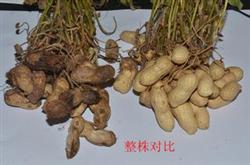
Integrated control of peanut pod rot to achieve both higher yield and better quality
Peanut pod rot, also known as "peanut rotten pod disease," has become fairly common in recent years in the major peanut-producing areas of our province, including Daming, Xinle, Dingzhou, Xingtang and Luanxian, and it becomes even more severe in fields planted continuously to peanuts for many years when the pod-setting stage coincides with a rainy year. According to surveys, affected fields suffer at least a 20% yield loss, ...
条件筛选