-
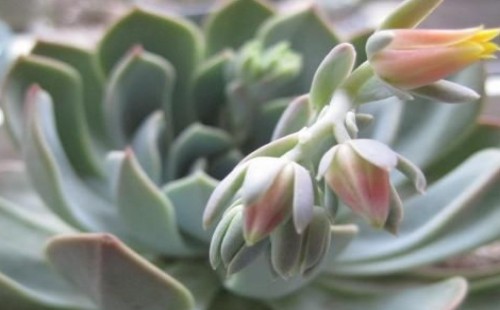
Should you cut off the flower stalks on a succulent Chihuahua? Here's how to prevent disease
The succulent plant Chihuahua (Echeveria 'Chihuahua') not only has an adorable name, but the plant itself also grows very cute. As the plant keeps growing, when the growing conditions and care methods are both suitable, a potted succulent Chihuahua will gradually send up flower stalks. So, Chihuahua
-

What feng shui considerations are there for placing bonsai in the office?
People pay great attention to the feng shui of their own homes, believing that if the bonsai in the home are placed according to feng shui principles, it will keep the household safe and bring wealth to the family. Company bosses, meanwhile, pay close attention to the feng shui placement of office bonsai: if the company's feng shui is good, employees will work actively
-

What feng shui knowledge is there for placing bonsai in the living room?
The living room is the place where the family gathers together to relax, chat and have fun, and it is the main place where the family builds emotional bonds. In the living room, there is inevitably a television, and although the TV background wall may seem unremarkable, from the perspective of living room feng shui, the feng shui of the TV background wall should not be underestimated.
-
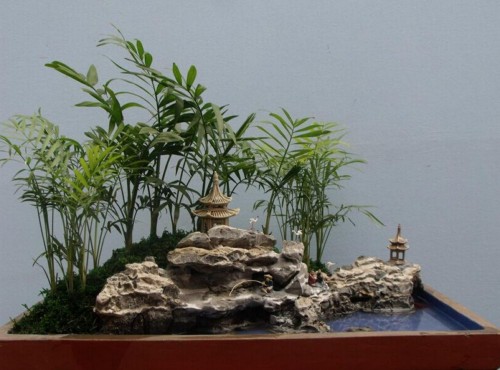
There is an art to placing a rockery bonsai, and where you put it brings the best feng shui
If the indoor space at home is small, feng shui does not recommend installing a rockery. Rockeries and ponds should be placed in the auspicious positions of the home to bring prosperity in family and wealth. If the indoor space is not large enough, placing a rockery and pond in an inauspicious position will bring bad luck to the home.
-

What feng shui taboos are there for placing a peach blossom bonsai in the bedroom?
There is no couple that cannot be broken up, only a mistress who does not try hard enough. The existence of a third party is always based on destroying the marital relationship, and the entanglement of love and hate involved is truly hard to fathom. One can only say that bad peach blossoms really spring up everywhere, and we can only cut the grass and pull out the roots. So, let us now take a look at
-

What feng shui considerations are there for placing a dawn redwood bonsai?
Dawn redwood (Metasequoia glyptostroboides) is a large deciduous tree native to China, and it has been widely used in bonsai cultivation; it can be seen in city parks, along lakeshores, and even on a small balcony at home. In pursuit of a healthy and comfortable home environment
-
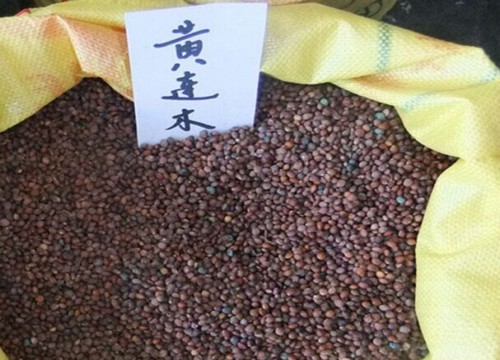
How to grow the trunk of a Chinese pistache bonsai? The key points are here
For growing the trunk of a Chinese pistache bonsai, around the Spring Equinox, dig out robust seedlings that have grown on the seedbed for a full 2 years; when digging, take care to protect the lateral roots and fibrous roots. To ensure the bonsai seedling's growth height does not exceed 80cm, all branches and trunks above 50-60cm on the newly dug seedling should be cut off
-
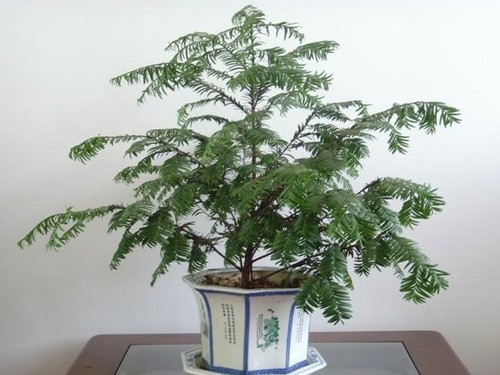
How to fertilize a yew bonsai? The correct method is here
The potting soil of Hongdou brand yew is made from wild native soil mixed with nutrient soil. The soil is loose, high in organic matter, strong in water retention, fertilizer retention and air permeability, full of nutrients, and has a pH within 7. For bonsai kept for more than three months after purchase, the roots should be fertilized appropriately, once a year, best in spring or early autumn
-
How to propagate potted Serissa japonica? All the common methods are here
Serissa japonica is simple and low-maintenance when planted in the ground. In the south, it can be planted in mass in gardens to form shrub thickets; viewed from afar in summer, it looks as white as snow, giving a feeling of coolness and elegance. It is usually used for shaped potted display or for making stump bonsai. Gardeners often need to propagate a couple of pots of Serissa japonica for themselves as backups
-
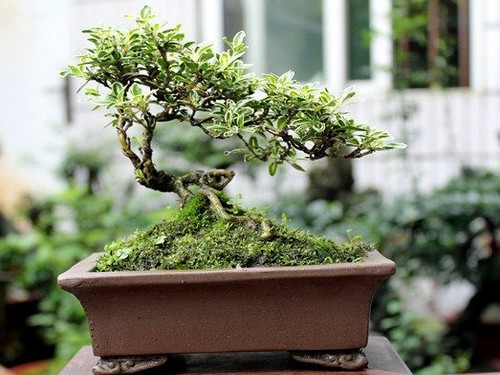
How to water a Japanese serissa bonsai? The correct method is right here
Japanese serissa (Serissa japonica) is an evergreen or semi-evergreen clumping small shrub. It may drop leaves in winter, but the degree of leaf drop varies depending on the environment and climate. Common cultivated varieties include 'Golden Edge' Japanese serissa with yellow-edged leaves, 'Variegata' Japanese serissa with white markings on the leaf surface, and double-flowered Japanese serissa with double white flowers
条件筛选