-

Methods for the Prevention and Treatment of Hepatobiliary Syndrome in Black Carp Aquaculture
Black carp is one of the four major Chinese carps and a traditional aquaculture fish in our country. Because of its fast growth rate, low feed conversion ratio, tender flesh and delicious taste, it has long been favored by people. In recent years, the farming volume of black carp in Sichuan has gradually increased, but
-
How to effectively treat grass carp hepatobiliary syndrome
Grass carp hepatobiliary syndrome is a nutritional metabolic disorder disease occurring under high-density farming models that mainly rely on feeding pelleted compound feed, and it occurs mostly in summer. So, how to treat grass carp hepatobiliary syndrome? 1. How to treat grass carp hepatobiliary syndrome? 1. Cultivate good
-
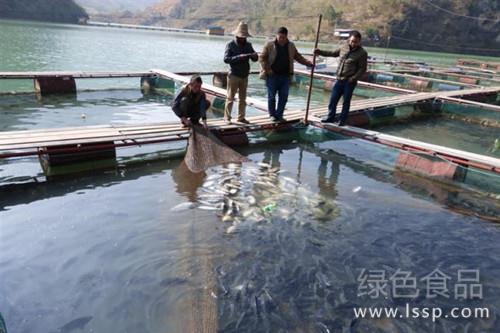
Prevention and treatment methods for hepatobiliary syndrome in tilapia caused by streptococcosis
Streptococcosis causing hepatobiliary syndrome tilapia hepatobiliary syndrome prevention and treatment
-

Fish Hepatobiliary Syndrome: Great Harm to the Liver, Big Profit Losses, How to Prevent and Treat It
Fish Liver Damage, Big Profit Losses: How to Prevent and Treat Fish Hepatobiliary Syndrome
-
Comprehensive prevention and control measures are needed for fish hepatobiliary syndrome
In recent years, with the continuous increase in the intensification of aquaculture, the incidence of fish hepatobiliary syndrome has been rising. Hepatobiliary syndrome can occur in various cultured fish, most notably in common carp and grass carp, and generally the incidence is high in adult fish. There are many causes of fish hepatobiliary syndrome, which can be summarized mainly in the following aspects. (1) Pathogenic microorganism infection. Infections by pathogenic microorganisms such as Aeromonas hydrophila, Edwardsiella, and rhabdovirus and reovirus can directly or indirectly cause hepatitis in fish. Pathogenic microorganisms
条件筛选