Fish Hepatobiliary Syndrome: Great Harm to the Liver, Big Profit Losses, How to Prevent and Treat It
In recent years, as the intensification of aquaculture has increased, the incidence of fish hepatobiliary syndrome has also risen considerably. Various farmed fish can be infected with hepatobiliary syndrome, with common carp and grass carp being the most prominent, and the incidence is high in adult fish.
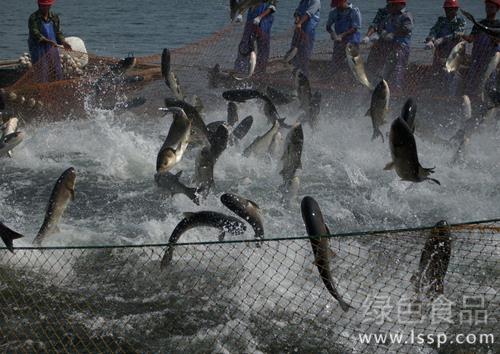
Fish
Causes: (1) Infection by pathogenic microorganisms such as Aeromonas hydrophila, Edwardsiella, and rhabdovirus, reovirus, etc., can directly or indirectly cause fish hepatitis.
(2) Nutritional factors. Feed with too high a nutritional level readily causes fish liver disease. High-protein feed easily leads to fat accumulation in the liver, damages liver function, and interferes with the normal physiological metabolism of fish; too much carbohydrate in feed leads to disordered glucose metabolism in fish, causing visceral fat accumulation, hindering normal function, and triggering fatty liver; feed with high fat content, when fed in large amounts, can also cause liver disease. In addition, feed nutritional indices that do not match the fish species, such as feeding common carp feed to blunt snout bream or grass carp, or feeding fry and fingerling feed to adult fish, can also cause fish liver disease. Overfeeding, with intensified feeding continuously every day, causes fish to grow too fast and develop obesity and fatty liver. The aldehydes contained in oxidised and rancid fat in fish feed are highly toxic and cause great damage to the fish liver, affecting liver function.
(3) Drug-related factors. For example, heavy metal poisoning, and poisoning by pesticides, ammonia nitrogen, nitrite, hydrogen sulphide, etc., can cause degeneration and necrosis of the fish liver. Long-term addition of drugs that damage the fish liver to feed and improper medication are the main causes of drug-induced hepatitis. Long-term addition of high doses of growth-promoting drugs such as olaquindox and flavomycin to feed can damage the fish liver. Using high doses of insecticidal drugs also easily damages the fish liver.
Prevention and treatment methods: (1) Use high-quality feed and feed scientifically. Follow the principles of scientific fish farming, use fish feed that is rich and complete in nutrition, and by all means avoid overfeeding; prevent protein denaturation and fat oxidation in feed, and prevent feed from becoming damp, mouldy and spoiled.
(2) Use medication correctly. Do not add drugs that damage the fish liver, such as oxytetracycline, sulfonamides, and tetracycline drugs, to feed at low doses over the long term; do not use fish drugs with major side effects and high residues, such as trichlorfon and copper sulphate, and even more so do not use fish drugs banned by the state or use pesticides in place of fishery drugs. When treating fish liver disease, try as far as possible to identify the pathogen and treat both the symptoms and the root cause.
(3) Stock reasonably densely and manage water quality regulation well. The stocking density of fish must be reasonable, and must be determined according to the water depth of the fish pond, the conditions of the bottom substrate, the water source, the feed supply, and the level of farming. If the farming density exceeds what the fish can withstand, it will increase fish stress and damage the liver. When the ammonia nitrogen concentration in the water is too high, the ammonia metabolic products in the fish body are difficult to excrete normally and accumulate in the blood, which also readily causes fish hepatobiliary disease.