-
A detailed explanation of the characteristics and habits of the Chinese hackberry, for a comprehensive understanding of this plant
[Chinese hackberry plant] The characteristics and habits of the Chinese hackberry plant
-

Chinese Hackberry Bonsai Care Management and Appreciation Guide
(1) Care Management Placement: Chinese hackberry (Celtis sinensis) likes light, and is generally best placed in a spot with ample sunlight and good air circulation; no shading is needed in summer. In the Yangtze River basin area, it can be kept outdoors over winter, with the pot buried in sun-facing soil to prevent the potting soil from freezing. Watering: Chinese hackberry is drought-tolerant, so watering should not be excessive. During the spring growing period, water once a day; in summer, when temperatures are high and light is intense, water once in the morning and once in the evening; in autumn, watering should be on the sparse side; after leaf fall in winter, water once every 5-7 days. Fertilizing: Insufficient nutrients and fertilizer will cause the leaves of Chinese hackberry to turn yellow and lose their luster, affecting
-
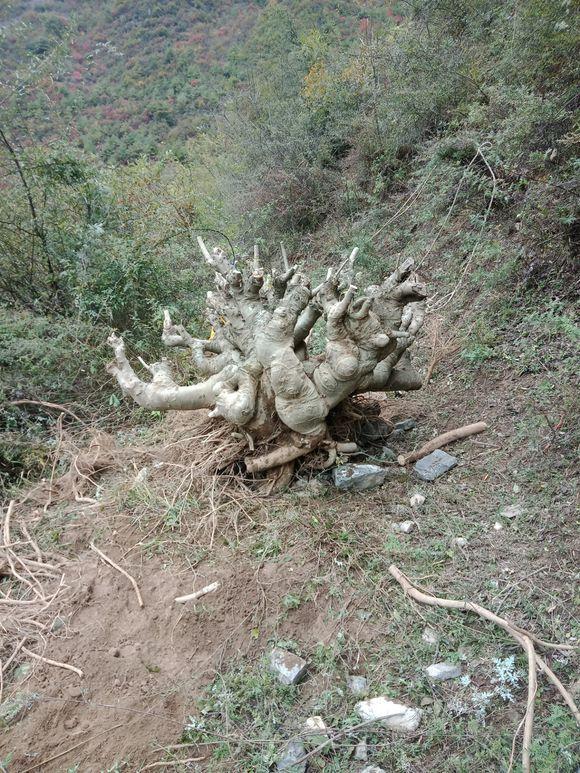
Have you ever seen a hackberry tree root grow this big?
Did you like this article? Share it right away so more people can know about it! This site is rich and varied in content, broad and profound, and our editors select the hottest news every day and update it at any time. Click "Be the first to get the latest news" to browse! Please continue...
-
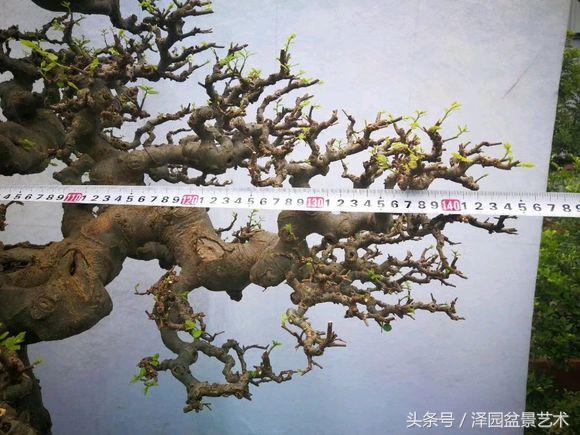
The grand Chinese hackberry tree is boldly imposing, fully displaying its majestic momentum
Do you like this article? Share it right away so more people can know about it! This site's content is rich and profound, and our editors select the hottest news every day, updating at any time. Click "Be the first to receive the latest news" to browse! Please continue...
-
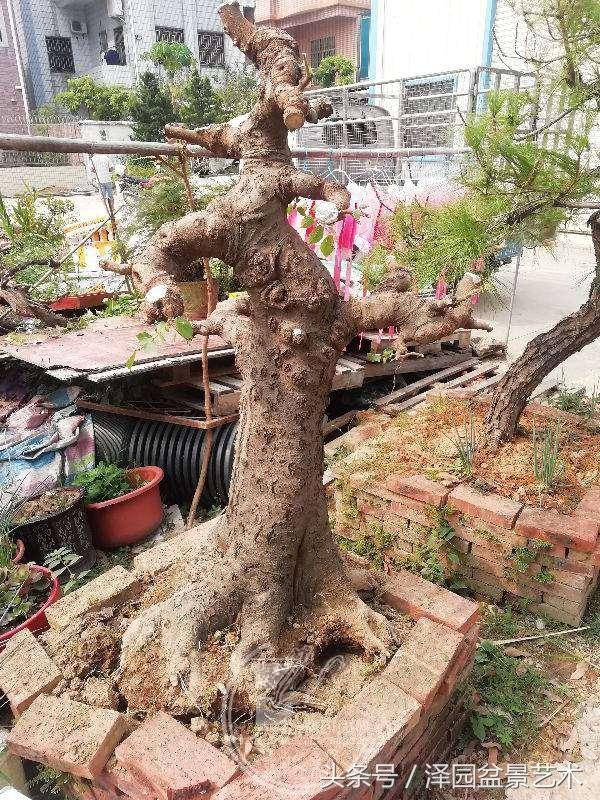
The hackberry tree was a gift from a friend. What does everyone think of it?
Did you like this article? Share it right away so more people can see it! This site is rich and varied in content, broad and profound. Our editors select the hottest news every day and update it at any time. Click "Be the first to receive the latest news" to browse! Please continue...
-
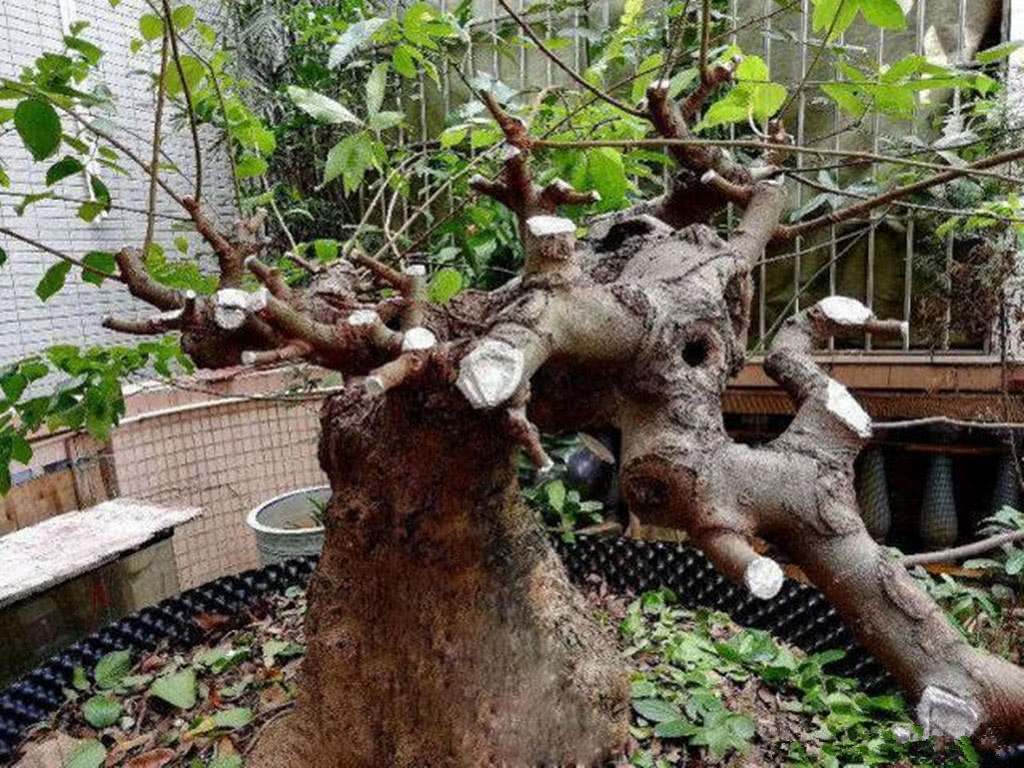
How to rescue a Chinese hackberry (Celtis sinensis) collected stump that won't sprout? Dad's trick works remarkably well
When a Chinese hackberry (Celtis sinensis) collected stump won't sprout, Dad used this method to rescue it, and the results are obvious! Nowadays, with material life fully guaranteed, enjoyment has become the ideal goal we pursue. This has also led many people to find their own...
-
How to Make a Chinese Hackberry Bonsai? A Complete Guide to the Basics
(1) Botanical Knowledge Belongs to the elm family (Ulmaceae), genus Celtis. A deciduous tree with rough, grayish-black bark that does not crack. Leaves are simple and alternate, ovate-oblong or broadly ovate, with an oblique base, 3 main veins, and serrated margins above the middle; the upper surface is dark green and the underside pale green. Flowers are polygamous on the same tree; male flowers grow on the lower part of new shoots
-
Detailed Explanation of the Production Methods and Shaping and Pruning Techniques for Chinese Hackberry Bonsai
Chinese hackberry (Celtis sinensis) is a deciduous tree of the order Rosales, distributed in Henan, Shandong, the middle and lower reaches of the Yangtze River and the provinces and regions to the south, as well as Taiwan, China; it is also found in Vietnam and Laos. This tree is often cultivated as bonsai. Next, let us learn about it in detail. Botanical knowledge: it belongs to the family Ulmaceae, genus Celtis. Deciduous tree
-
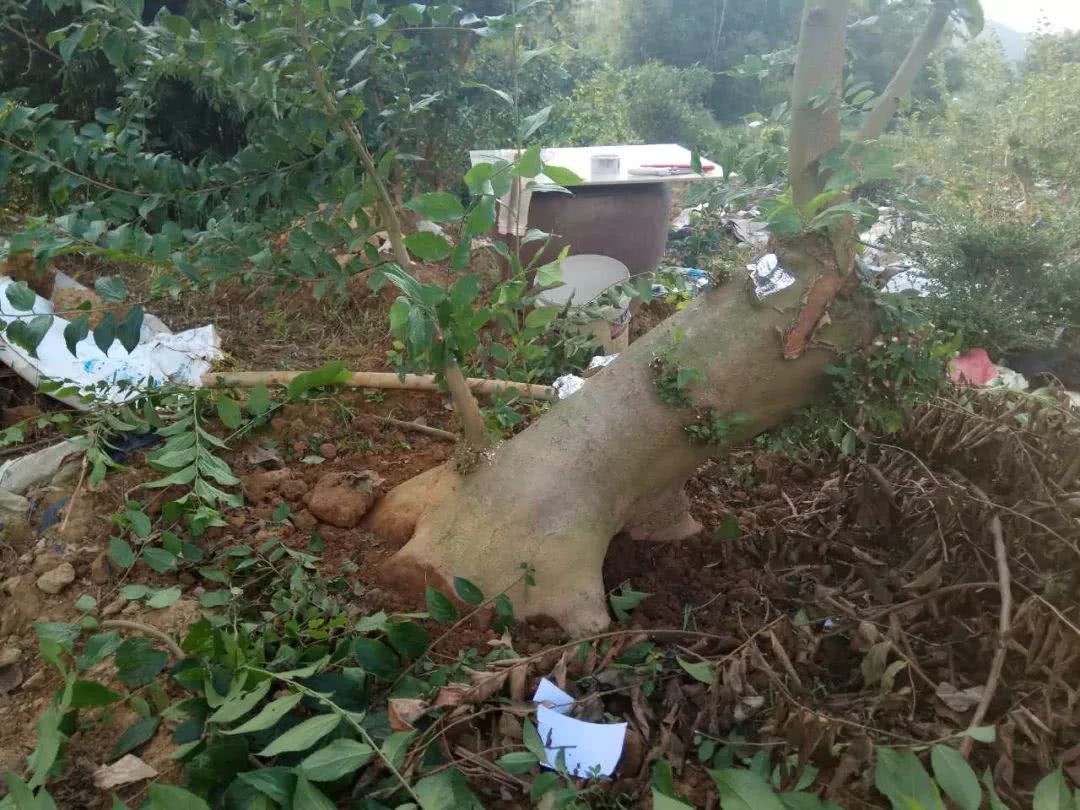
In the styling design of Chinese hackberry (Celtis sinensis) bonsai, breaking the trunk is an effective means of speeding up the transition.
Advantages of the stump material: 1. The front root flare of the stump base is strong, with a reasonable distribution. 2. The trunk leans at 45 degrees, rising along a parabolic curve, which gives the emerging branches a powerful, vigorous force. 3. The apex branch has been grown out fully, making it easy to form a suitable transition. Material sourcing and cultivation measures 1. Art...
-
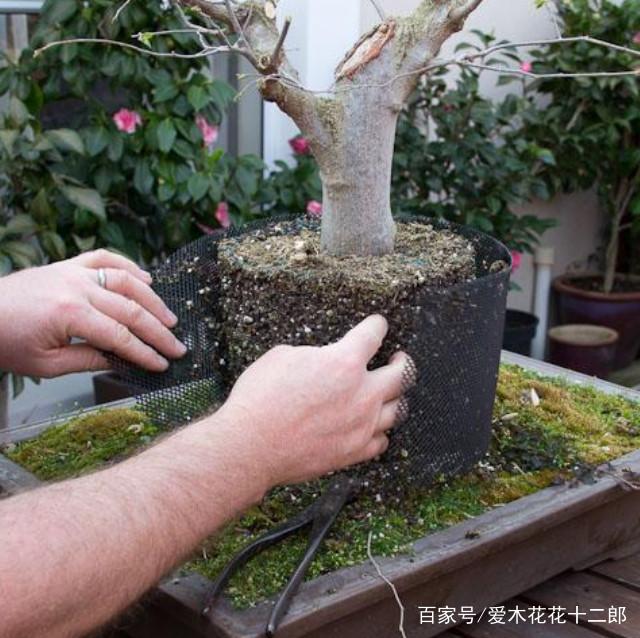
Chinese hackberry bonsai root replacement follow-up: an upgraded air-layering technique
When I talked about this air-layering story earlier, I didn't go into it in depth. Later, I unexpectedly found that this guy had a follow-up report. There's no way around it, so I'll just keep rambling on about this story here. About half a year later, the bonsai artist opened the mesh to check...
条件筛选