-

Cattle farmers must guard against cold-induced dehydration in cattle in winter
Water can both cool them down and warm them up. 1) Cooling with water: For each adult cow, each time mix 0.3-0.6 kg of baijiu (Chinese liquor) or 0.2 kg of urea into 5 kg of cold water and let the cow drink it on its own. Alternatively, the day before feeding hay, soak the hay in cold water for 3-5 hours, then feed it to the cow. 2) Warming with water: In winter, when the weather is cold, for cows in weak body condition, heat clean water to 40°C and add 30-50 g of table salt or 100 g of soy sauce per kg of water and let them drink it. 2. Feeding nutritional tonics
-
High temperatures and high humidity: be on guard against Haemophilus parasuis disease
As temperatures rise and humidity increases, the incidence of bacterial diseases in pig herds will rise, and there is all the more need to be on guard against Haemophilus parasuis infection. Haemophilus parasuis infects only pigs and can affect young pigs from 2 weeks to 4 months of age, mainly causing disease around weaning and during the nursery stage, usually seen in pigs of 5 to 8 weeks of age, with an incidence rate of 10% to 15%, and in severe cases the mortality rate can reach 50%. Acute cases often first occur in pigs in good body condition. Affected pigs have fever (40.5 to 42°C), depression, reduced appetite, difficulty breathing, abdominal breathing
-
Sudden Temperature Changes: Farmers Should Guard Against Swine Influenza
Swine influenza is an acute, highly contagious disease caused by the swine influenza A virus. It is mainly characterized by sudden onset in pigs, rapid spread, high morbidity, low mortality, high fever, and inflammation of the upper respiratory tract. Epidemiological features: 1. It has obvious seasonality, occurring mostly in autumn and winter and in spring when temperatures change abruptly, and pigs are especially prone to the disease when it is damp and rainy. 2. Pigs of all ages, sexes, and breeds can be infected and become ill. 3. It often occurs as an endemic or pandemic. 4. It spreads rapidly, and within 2 to 3 days it
-
Poisonous mushrooms are highly dangerous; be on guard against picking and eating them in the wild
In forests, in grassy areas, and beside piles of manure and straw, people often see wild mushrooms pushing up through the ground. Because many people do not know the difference between poisonous and non-poisonous mushrooms, they sometimes pick poisonous mushrooms and take them home to eat. Cases of accidentally eating poisonous mushrooms occur from time to time, and there have even been deaths. For this reason, the relevant authorities remind the public not to blindly pick and eat wild mushrooms, so as to ensure food safety. Recently it has also been found that some farmers' markets are selling poisonous mushrooms. Wild mushrooms that you do not recognize and have never eaten must absolutely not be easily bought and eaten.
-
How pig farmers can guard against furazolidone poisoning
Furazolidone is a yellow powder, slightly soluble in water, and is not easily absorbed after oral administration; its concentration in the intestinal tract is high, but its toxicity is relatively low. It is effective against bacteria such as Clostridium, Salmonella, and Staphylococcus, as well as streptococci and Escherichia coli. The general dosage for pigs should be 0.007 g per kg of body weight, given orally in 2-3 divided doses. Adult pigs are less sensitive to furazolidone, while piglets are highly sensitive. When the feeding amount is too large or it is used for a long time, it can cause acute or chronic poisoning. After poisoning, piglets show reduced appetite, weakness of the limbs, and an inability to stand
-
Fox and raccoon dog mange mite disease must be carefully guarded against in autumn and winter, never be overlooked
In the current season, the breeding of fur animals is entering the fur growth period. In addition to meeting the various nutrients required for fur growth, special attention should be paid to the occurrence of external parasitic diseases. Zhaoyuan Farm has 100,000 foxes and raccoon dogs in stock and has rich experience in the prevention and treatment of lice and mange mite disease. The precautions are introduced as follows: Pay attention to observation. Skin diseases such as lice and mange mite disease cause great harm to fur animal breeding. They should attract sufficient attention from the vast number of breeding farms and breeders. Especially in the current winter fur growth season, inspecting and preventing mange mite disease is work that breeders must not neglect before pelting.
-
Cotton is prone to premature aging during the dog days, so growers should be on guard
Once cotton shows premature aging, remedial measures are of little use, and prevention is what matters. Early August is the peak period of cotton flowering and boll setting; if vegetative growth and reproductive growth are well coordinated, premature aging is unlikely. The earlier premature aging occurs, the more severe the yield loss. In severe years, some fields show premature aging in mid-to-late August. How to prevent cotton premature aging and increase yield is an urgent problem in cotton production. Below are several measures to prevent cotton premature aging. Pay attention to the watering method. Summer drought causes cotton premature aging, so if there is no rain during the dog days, water promptly. Alternate-furrow irrigation is preferable,
-
Three Major Types of Phytotoxicity to Guard Against in Cotton Cultivation
Diagnosis and identification of phytotoxicity from insecticides and fungicides. The severity of phytotoxicity from insecticides and fungicides depends not only on the cotton variety, growth stage and morphological characteristics, but also on the type of pesticide, as the symptoms of damage differ for each. For example, dichlorvos has an extremely strong vaporizing effect; spraying twice with a 1000-fold solution can scorch cotton leaves dry. After phytotoxicity from lime sulfur mixture, the leaves and boll husks of the cotton plant develop scorched patches, and the leaves soon dry up and drop off. Lime sulfur mixture is a strongly alkaline pesticide; Bordeaux mixture can only be used 7 to 10 days after its application. If lime sulfur mixture is sprayed within 1 to 2 months after spraying Bordeaux mixture, the cotton leaves will develop black copper sulfide deposits, causing phytotoxicity. In short, when using insecticides and fungicides on cotton, a certain interval should be maintained between successive applications of several pesticides (especially inorganic pesticides), to prevent phytotoxicity caused by reactions between pesticides with different modes of action. In addition, the severity of cotton phytotoxicity is also affected by the environment; for example, when pesticides are sprayed under high temperature, the large amount of water evaporation caused by the heat increases the pesticide concentration, causing spots, yellowing and curling of cotton leaves, and even scorching and death.
-
Be on Guard Against Copper and Zinc Poisoning in Koi Keeping
I believe none of you will be surprised by this: copper and zinc in the water will kill koi. Of course, this is not news to me either. What I mean is, before you heard the story about a copper-connected heater releasing a large amount of copper into the water and thus killing all the koi, had you ever thought that copper and zinc could kill your koi? Perhaps many of us have not yet heard such a story. Before telling you these things, let me first review some of my own history. Of course, I have been keeping koi for quite a long time.
-
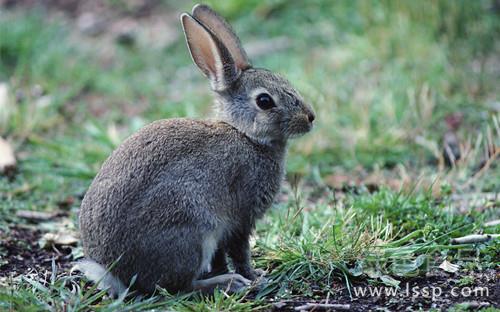
Rabbit epizootic enteritis is highly prevalent in winter; be on guard against refusal to eat, abdominal bloating, severe watery diarrhea and dehydration
Refusal to eat, abdominal bloating, severe watery diarrhea and dehydration; be on guard against rabbit epizootic enteritis in winter
条件筛选