-
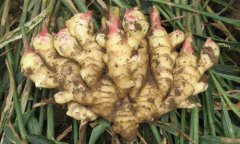
How to Grow Ginger: High-Yield Techniques and an Introduction to Top-Dressing and Earthing Up Methods
As the saying goes, "old ginger is the spiciest." Compared with young ginger, old ginger contains the most gingerol and has a stronger pungency, so when you want to dispel cold, promote blood circulation, or remove fishy odors, old ginger is usually used in cooking, and it should be cooked with the skin on for the best effect; as for
-

How to grow ginger hydroponically, easily cultivate a beautiful bonsai
Ginger is a seasoning food that can remove fishy smells and cut greasiness, and is one of the more commonly used ingredients in daily life. Ginger contains pungent and aromatic components, and can also be processed into dried food ginger, which tastes sweet and salty and is well received by consumers. Ginger is cultivated in many places in our country
-
How to Grow Ginger Lily in Pots? Cultivation Methods and Precautions
As everyone's living standards improve, people like to grow some flowers and plants in their spare time to decorate their rooms, and at the same time cultivate their minds. Ginger lily is a relatively common flower, generally more common outdoors, but the ginger lily is so beautiful that many people want to grow it as
-
How to Grow Ginger? A Detailed Guide to Scientific Planting Methods and Techniques
Ginger is very common in our daily lives. It is not only one of the important seasonings but also has very high medicinal value. Many people, when they catch a cold, drink a bowl of ginger soup and instantly feel full of energy. People's demand for ginger is very large, and it is used almost every day. Below, the editor will teach you
-
Detailed Explanation of Key Points for Growing Ginger at Home
Ginger is an indispensable ingredient in everyone's daily kitchen cooking, capable of removing fishy odors and reducing coldness. Ginger is cultivated in many parts of our country, and it has a relatively strong adaptability to the environment. The common cultivation methods are greenhouse and open-field planting. Today let's take a look together
-
How to grow Myoga ginger? A detailed guide to planting methods
Myoga ginger, also known as Yanghe and Minghe, is a food with very high nutritional value, widely distributed in areas south of the Qinling Mountains, and is currently widely used as medicine. So how do you grow Myoga ginger? 1. Site selection and land preparation Choose a piece of yellow soil or
-
How to Grow Ginger Shoots for a High Survival Rate
Ginger shoots are the young sprouts grown from ginger rhizomes. They are characterized by being tender, fresh, fragrant, and crisp, and are very popular with consumers on the market. So how do you grow ginger shoots? 1. How to grow ginger shoots? 1. Selecting seed ginger: Choose small ginger rhizomes with smooth skin and yellow color, thick flesh, many latent buds, not frostbitten or shriveled, free of mold and rot, and free of pests and diseases as seed ginger.
-
How to Grow Ginger in Water at Home: Methods and Steps
Ginger is the most essential seasoning in every household, so sometimes people buy a lot of it at once, but if they cannot finish eating it, the ginger will sprout. When that happens, it can be put to use making a potted plant. So how do you grow ginger in water at home? 1. How to use it at home
-
How to Grow Ginger in the South for High Yields? A Detailed Guide to Cultivation Techniques
To grow ginger in the south, choose a suitable location and soil, then carry out proper crop rotation; the soil can be disinfected with agricultural streptomycin, chlorothalonil, etc., and after applying sufficient base fertilizer, sow and cover; arrange the work of cultivating and weeding, hilling and fertilizing during the growing period, followed by pest and disease control.
-
How to Grow Small Yellow Ginger? Detailed Guide to Planting Methods and Timing
To grow small yellow ginger, you must first select a superior variety; the ginger rhizomes should be plump and full. After selecting the seed, it should be disinfected, sun-dried, and sprouted. Then plant the treated rhizomes on a sunny day with stable temperatures; the ideal time is early to mid-March, and no later than Grain Rain.
条件筛选