-

How to propagate morning glory? Detailed explanation of the cutting propagation method, choose healthy branches
Morning glory, also called trumpet flower, is very common, but after years of cultivation by breeding experts, many varieties have now been hybridized, and the colors have become diverse. At home, does keeping one pot of morning glory feel monotonous? You might as well propagate a few more pots; the scene of them blooming together is what looks good. So how do you propagate morning glory?
-

What to do when morning glory gets bugs? Aphids cause great harm, here is how to prevent and control common pests and diseases
Morning glory is one of the most common flowers in daily life. It is mostly seen along roadsides in the wild, and is now grown in pots at home by many flower lovers. But indoors is not the same as outdoors, and the morning glory's environment needs to be created by us. With the slightest mistake, morning glory will be troubled by pests and diseases, so what should be done when morning glory gets bugs? It is very simple
-
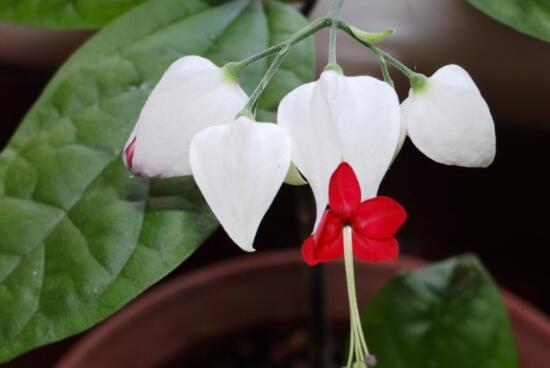
How to Propagate Bleeding Glory-Bower? Detailed Guide to Two Methods: Seed Sowing and Cuttings
For flower lovers, the bleeding glory-bower (Clerodendrum thomsoniae) is certainly familiar. Its white calyx and bright red corolla resemble a dragon spitting pearls, looking exceptionally beautiful. In daily life, many people keep a pot of bleeding glory-bower at home, but is one pot too monotonous? It's time to propagate one yourself.
-
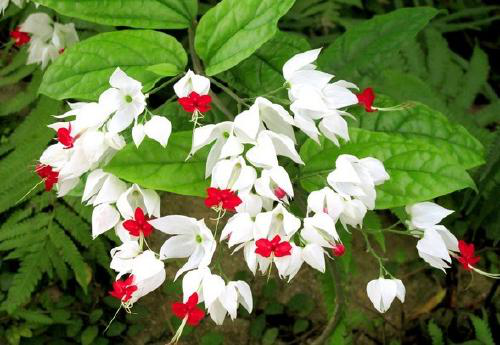
What are the propagation methods for Bleeding Glory-Bower? Beginners can master them easily
Bleeding Glory-Bower is usually propagated by cuttings. Cuttings of Bleeding Glory-Bower are generally taken from May to June each year; both old and young branches can be used as cuttings. Take 8-10 cm stem sections for cuttings. The cutting bed can use a nutrient-rich mixed soil of potting soil. About half will root 3 weeks after insertion.
-

-
-
What are the pest and disease control methods for morning glory?
1. Brown spot disease Symptoms: When this disease occurs, round or polygonal lesions appear on the leaves, usually dark gray in the center with dark brown edges. Many pale black mold layers form on the surface of the lesions, and in severe cases the lesions cover the entire leaf, causing the leaves to wither. Control methods: Plant appropriately close together, avoid overwatering
-
How to sow morning glory seeds? A detailed guide to the correct sowing method
1. Selecting seeds: You can pick a few seeds from a morning glory plant in the wild, gently rub off the outer skin with your hands, and the seeds inside are what you get. 2. Preparing the soil: Prepare a fairly large flowerpot and put in an appropriate amount of soil. Morning glories are highly adaptable and have no special requirements for soil, though the more fertile the better.
-
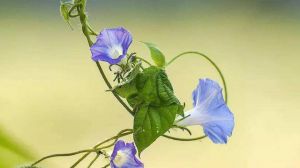
What Color Is the Morning Glory? An Introduction to Common Flower Colors
The colors of morning glory include crimson, peach red, purple, purplish red, pink, scarlet, pinkish white, yellow, white, and cyan, among others, with the common colors being peach red, blue, white, and purple. It is also called the morning glory (trumpet flower) and has strong vitality. The flowers are funnel-shaped, appear in large numbers, and can even change color.
-
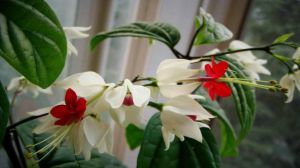
How to Propagate Bleeding Glory-Bower from Seeds? A Detailed Guide to Sowing Methods
Sowing bleeding glory-bower (Clerodendrum thomsoniae) seeds in spring makes it easier for them to survive. Before sowing, soak the seeds for 12 hours, remove them and let them dry, then sow them by the dibbling method, cover with a thin layer of soil, and place them in an environment of 20-25°C; in about 10 days, small seedlings will emerge. Care must be done properly, and they can only be potted up once they reach 10 cm tall.
条件筛选