-

How to propagate Campsis radicans? Introduction to common propagation methods
Campsis radicans, also known as American trumpet vine or Du Lingxiao, is a deciduous shrub often cultivated in China as a courtyard ornamental plant, and is also cultivated in parks throughout Henan. Campsis radicans can be propagated by cuttings, layering and division. Here is a brief introduction to these three propagation methods and points to note.
-
How to propagate Aerides rosea? Detailed explanation of propagation methods
Aerides rosea has a long flowering period and is mostly grown in pots for indoor viewing or on tree trunks and rocks. Cultivating Aerides rosea artificially is not very difficult; to propagate it artificially, you can use division and cuttings.
-
How to propagate the widespread orchis (Galearis/Oreorchis) by division? Master these key points
The widespread orchis plant grows 5-45 cm tall and can be grown in pots for ornamental viewing; its ornamental value is quite high, and it is loved by many flower enthusiasts. Cultivating the widespread orchis artificially is not difficult, and division can be used for artificial propagation of the widespread orchis
-
How to propagate Coelogyne flavida? Keep these propagation key points in mind
Coelogyne flavida has certain requirements for its growing environment, and generally a wild environment is more favorable for its growth. Coelogyne flavida can not only be used for ornamental purposes but also has certain medicinal value, so its economic value is relatively high. How to artificially propagate Coelogyne flavida has become a question that many flower enthusiasts pay attention to
-
How to propagate Camellia reticulata? These propagation key points you need to master
Camellia reticulata can be grown in pots or in the open ground, but during cultivation it needs a certain temperature difference. South of the Huaihe River, Camellia reticulata can overwinter naturally and generally tolerates low temperatures of -8°C. Artificial propagation of Camellia reticulata can be done by sowing seeds and grafting.
-
How to propagate Cymbidium eburneum? Mastering these propagation key points is crucial
Cymbidium eburneum is an epiphytic plant. Because its flowers closely resemble two swallows in flight when blooming, it is also called "Double Flying Swallows" in Guangzhou. The flowering period of Cymbidium eburneum can last as long as one month, so it is loved by many flower enthusiasts
-
How to propagate sea mango? Detailed propagation key points
Perhaps many people have heard online that sea mango is a highly toxic plant. In fact, sea mango belongs to the Apocynaceae family, and most plants in the Apocynaceae family are toxic, and sea mango is no exception. The stems, leaves, and fruit of sea mango all contain highly toxic white sap, so care should be taken to avoid accidental ingestion during artificial cultivation
-
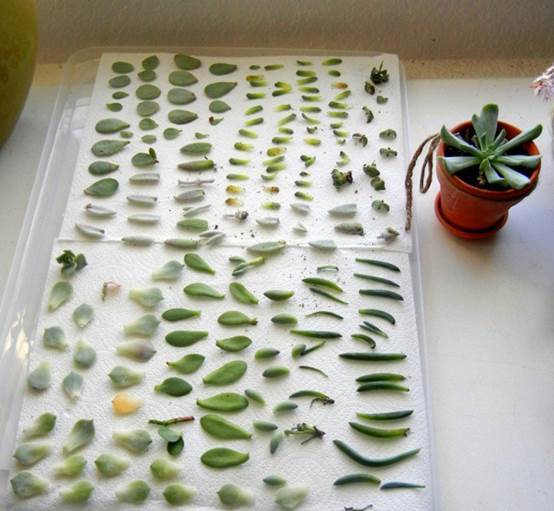
How Do You Propagate Succulents from Leaves and Cuttings? A Beginner's Propagation Tutorial
Growing succulents doesn't have to cost much. You can ask your friends or neighbors if you can get a few leaves from their favorite succulents, or you can buy some small leaves from your favorite nursery...
-
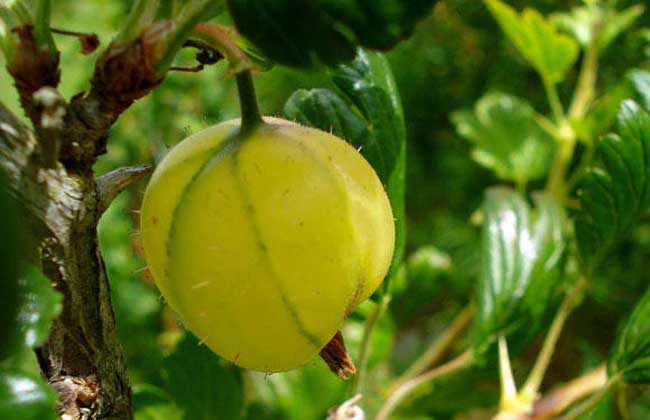
How to Propagate Physalis? Detailed Explanation of Key Propagation Techniques
Propagation Techniques for Physalis
-
How does the hanging lantern hibiscus propagate? A detailed introduction to the common propagation methods
The hanging lantern hibiscus is often planted along roadsides and in city gardens for ornamental purposes. The hanging lantern hibiscus is native to tropical East Africa, and is now cultivated in all hot regions of our country. The hanging lantern hibiscus has a rather distinctive appearance, and its leaves also have certain medicinal value, so it is loved by many flower enthusiasts
条件筛选