-

Four Methods to Increase the Health-Tonic Value of Silkie Chickens
The Silkie chicken, also known as the silky fowl or black-boned chicken, has black meat, skin and bones. Its body is rich in trace elements, vitamins, unsaturated fatty acids, melanin, iodine and selenium and other trace elements and macro elements needed by the human body, and it has good dietary therapy and health-tonic functions. However, in raising silkie chickens, people mostly focus their efforts on fattening, and very few consider how to improve their medicinal and health-tonic value. Researchers have carried out extensive and in-depth studies on feed, and through laboratory testing have proven that black crops such as black
-
Introduction to Four-Season Management Methods for Snake Farms, Essential for Scientific Snake Keeping
Snakes are ectothermic animals, and their body temperature changes with the rise and fall of the ambient temperature. Good management of a snake farm can ensure normal growth and reproduction of snakes and improve snake yield and quality. 1. Spring management work (February to April) Spring is generally the most suitable time to introduce snakes for breeding, as there is no need to worry about the weather being too cold or too hot during transport, and the farm soon enters the egg-laying period. Before introducing snakes into the snake farm, the area should be cleaned in advance, and cleaning and disinfection work should be done well. Snakes that have just emerged from hibernation basically do not eat for the first 2~3 weeks, and only begin to
-
How to control mushroom mites? Four trap-killing methods shared
Mushroom mites are one of the common pests in mushroom production. Controlling them with low-concentration chemical pesticides often yields poor results. Below are four methods for trap-killing mushroom mites, which are quite effective and can be chosen by mushroom growers. Rapeseed cake trap method: Heated rapeseed cake has a strong oily fragrance. On the bed surface where mushroom mites are causing damage, lay several pieces of wet cloth, and place gauze on top of the wet cloth. Sprinkle freshly roasted rapeseed cake powder on the gauze. After the mushroom mites gather on the gauze, remove it and scald them to death with boiling water. Sugar-vinegar trap method: Use
-
How to trap and kill mushroom mites? Four practical methods to teach you
1. Rapeseed cake trapping method: On the bed surface where mushroom mites are causing damage, lay several pieces of wet cloth, and place gauze on top of the wet cloth. Sprinkle freshly roasted rapeseed cake powder on the gauze. After the mushroom mites gather on the gauze, take it off and scald them to death with boiling water. 2. Sugar and vinegar trapping method: Mix 1 kg of vinegar with 1 kg of water, add 10 g of sucrose, drip in 2 to 4 drops of dichlorvos, mix well, soak the gauze in the prepared sugar and vinegar solution, then lay the gauze on the mushroom bed to trap and kill mushroom mites. 3. Pig bone trapping method: Place fresh pig bones at intervals on the bed surface to attract and gather mushroom mites
-
How to store lotus root? Four practical methods shared
1. Sand storage method: Choose a spot with high terrain, sheltered from wind and rain, spread a layer of fine sand on the ground. The fine sand should have a moisture level such that it forms a ball when squeezed by hand and crumbles when released. Dig drainage ditches around the perimeter. Place a layer of lotus root, then a layer of fine sand, alternating sand and lotus root in this way, stacking 5~6 layers, and cover the top with wet sand about 10 cm thick. This method generally allows storage for about 60 days. Alternatively, you can build a burial pit indoors enclosed by bricks or wooden boards, spread a 5 cm thick layer of wet sand in the pit, arrange the dug-up lotus roots with mud in order, then stack layer by layer, one layer of lotus root and one layer of wet sand, stacking 5~6 layers, and on top
-

Detailed Guide to Four O'Clock Flower Planting Methods and Cultivation Techniques
[Aliases] Rouge flower, night meal flower, tide-coming flower, grass jasmine, night beauty, official powder flower, top scholar red, bath flower. [Family and genus] Nyctaginaceae, Mirabilis. [Morphology] Perennial herbaceous plant, often cultivated as an annual. Height 50--80 cm; in Shanghai the roots can sometimes overwinter in the open ground and sprout again the following year
-
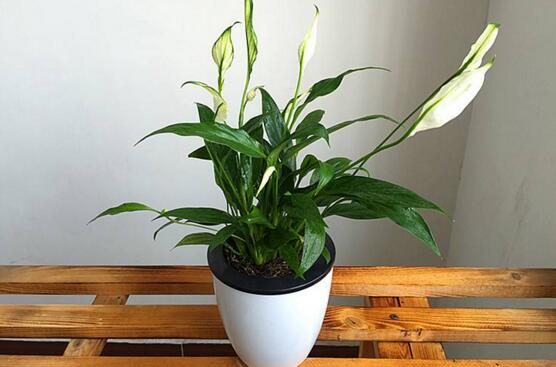
Four-season care methods for potted peace lilies: water is important
The peace lily not only has a beautiful meaning, but also has upright and graceful flower stems, fresh and pleasing to the eye, making it an excellent potted plant. The flowering period of the peace lily is generally from May to August, but with careful care, it may also be possible to keep it blooming all year round. So how do you care for a potted peace lily?
-
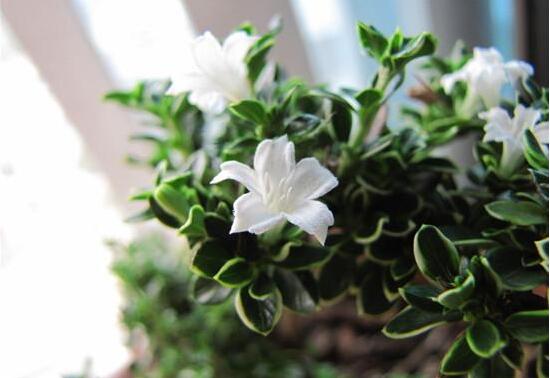
How to water a potted Serissa japonica? Four-season watering methods to teach you how to keep the potting soil moist
Serissa japonica, also known as "sky full of stars," not only has beautiful leaves but also lovely flowers, with white and light red blooms that are both endearing. As a highly ornamental plant, growing Serissa japonica requires proper methods, especially when it comes to watering, which must be done carefully. So how do you water a potted Serissa japonica? The amount of water varies by season
-
How to Water Camellias? Different Watering Amounts Across the Four Seasons, with Detailed Methods and Precautions
The beauty of the camellia is self-evident; its flower shape, flower color, and even its fragrance are all superb, which is why it is praised as one of China's top ten famous flowers. However, if you want camellias to produce beautiful blooms, proper watering is key. So how do you water camellias? Below are the watering methods and precautions for camellias.
-
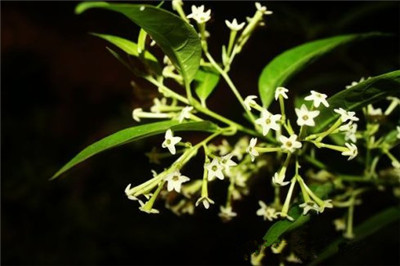
How to grow four o'clock flower? A detailed guide to planting methods
The four o'clock flower is a flower that wins people's affection with its "night fragrance." It likes a warm, humid environment with plenty of sunlight, and can bloom all year round. Its place of origin is Mexico and South America. When growing four o'clock flower, pay attention to the following points. 1. Selecting cuttings. Choose branches that are robust or free of pests and diseases.
条件筛选