-

-
-
-
-
-
-
-
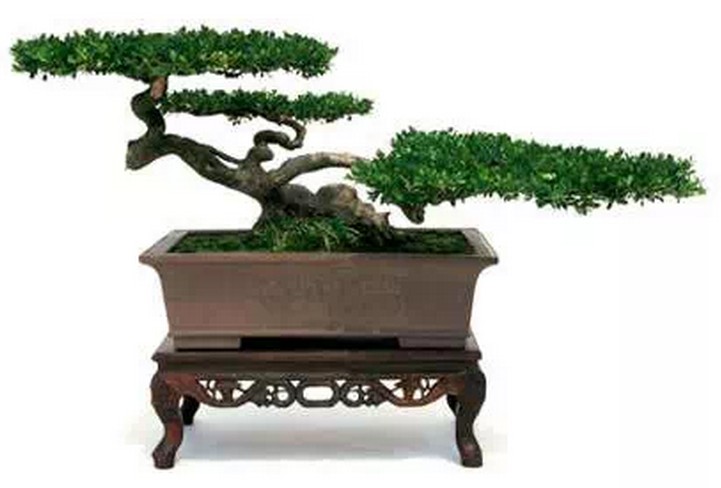
Historical Origins of the Formation of the Yangzhou-style Bonsai Art
The Yangzhou-style bonsai art took shape in the Ming Dynasty and matured in the Qing Dynasty. Drawing materials from nature and learning from the creator, it absorbed traditional Chinese humanistic values and aesthetic ideas, blending poetry, calligraphy, painting and technique into one. With a style that is delicate, elegant, graceful and expressive, and with the pruning and binding craft of "careful binding and fine pruning" and "one inch, three bends," it carries on the lineage of Chinese bonsai art
-
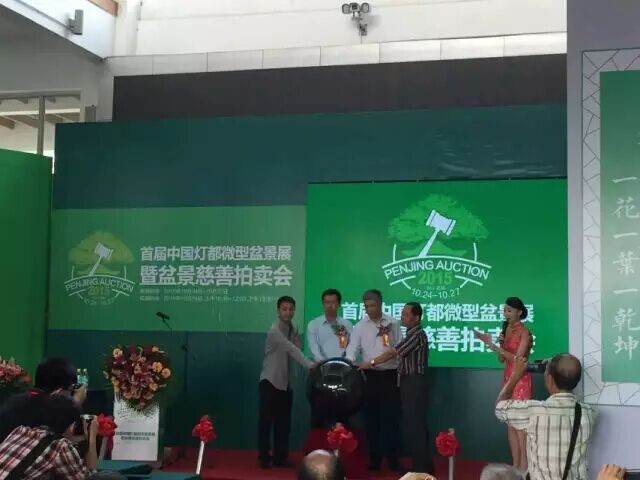
Building a Lingnan bonsai information interactive platform to inherit culture
Riding on the momentum of the Ancient Town Lighting Culture Festival, the 2015 First China Lighting Capital Miniature Bonsai Exhibition and Bonsai Charity Auction kicked off. Hosted by Zhongshan Huamu City Landscape Co., Ltd., and co-organized by the Ancient Town Flower and Nursery Stock Association, Yun Master Brand Strategy Agency, and Guangdong Xiaoyazhai Auction Co., Ltd.
-
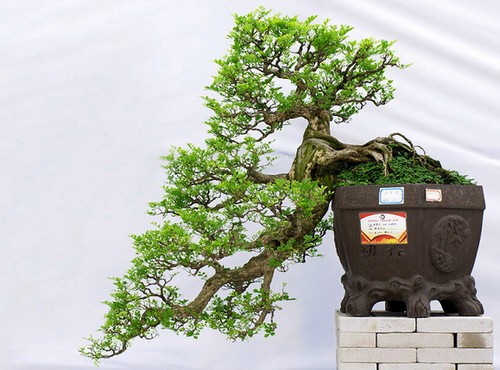
The Bend-and-Graft Method of Lingnan Penjing: Techniques to Accelerate Earlier Formation
Trunk chopping and branch training is the primary artistic technique for creating Lingnan penjing. This method, based mainly on pruning and sawing, produces vigorous, natural, tall and bold large-tree-style penjing. It is the result of long-term shaping by Lingnan penjing artists who draw from nature and learn from nature. However, this pruning skill of trunk chopping and branch training especially requires patience and perseverance.
条件筛选