Peanut Information: Characteristics, Varieties and Uses of Peanuts
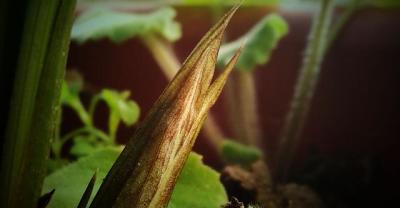
The peanut is an annual herbaceous plant of the legume family, also known as the groundnut or "long-life nut," and is one of China's important oil crops and cash crops. Its most unusual trait is that it flowers above ground but sets fruit below ground: after the flowers fade, the stalk of the ovary extends downward into the soil, and the pod gradually develops and ripens underground, which is why it is called the groundnut.
In terms of growth habits, peanuts prefer warmth and ample sunlight, are fairly drought-tolerant but not waterlogged, and are best planted in loose, well-drained sandy soil. The whole growth period roughly goes through the stages of sowing and emergence, flowering and pegging, pod setting, and pod filling and maturity; among these, the pod-setting stage has relatively high demands for water and nutrients, so field management requires particular attention.
In variety classification, peanuts are generally divided by pod and kernel characteristics into the common type, Valencia type, multi-seeded type and dragon-seeded type, and can also be divided by growth period into early-maturing, mid-maturing and late-maturing varieties. Different types differ in oil content, taste and adaptability, so the choice can be made according to local climate conditions and intended use when planting.
The peanut's uses are very wide-ranging: the seeds are relatively rich in both oil and protein, so they can be pressed for oil and are also a common raw material for roasted snacks, pastries and other food processing, while the cake meal left after oil extraction can also be used as feed. At the same time, as a legume crop, the peanut's root nodules have nitrogen-fixing ability, which helps enrich the soil, so it is often included in crop rotation systems to play a soil-improving role.