-

How to improve the price formation mechanism for agricultural products
Improving the price formation mechanism for agricultural products
-
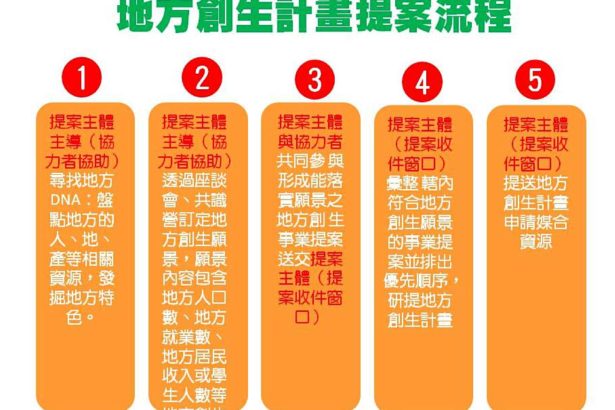
Illustrating the Formation and Proposal of Taiwan, China's Regional Revitalization Plan
Rural and Regional Revitalization 08 / [Illustrated] The Formation and Proposal of Taiwan, China's Regional Revitalization Plan
-
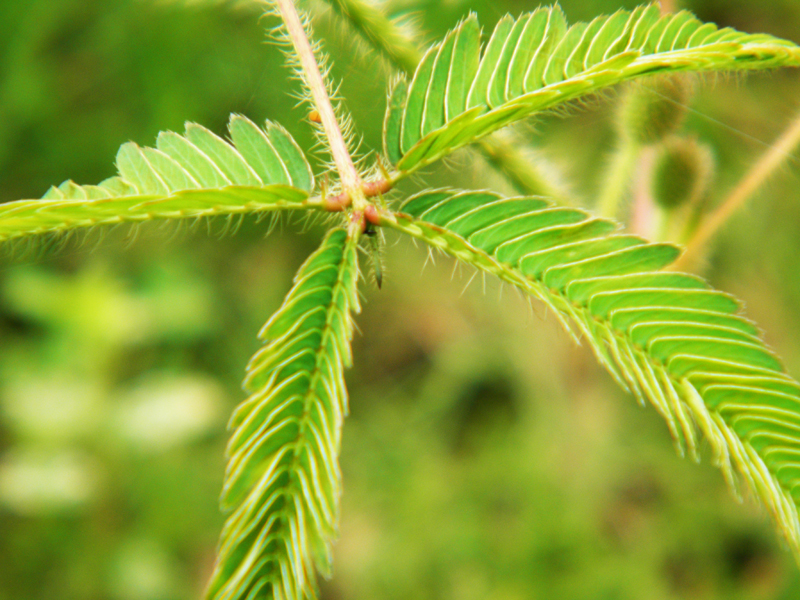
Mimosa pudica: Complete Information and Cultivation Methods
Mimosa pudica (scientific name: Mimosa pudica), due to its unique physiological habits, has many aliases and nicknames, such as "laughing grass", "sensitive grass", "shouting grass", "shy-knowing grass", "ugly-fearing grass", "shy grass" and "husband-and-wife grass". Mimosa pudica is native to the tropical regions of the Americas
-
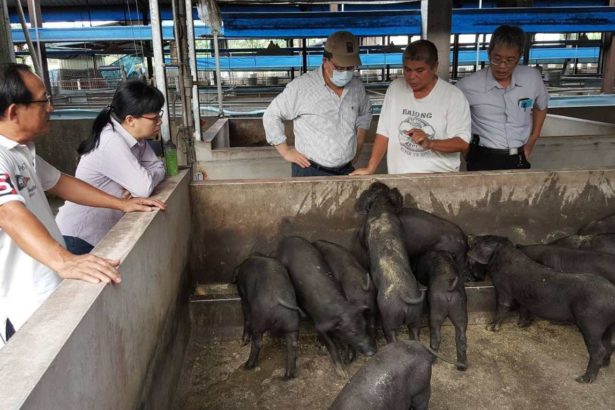
The Battle Over Epidemic Prevention and Food Waste 15"A More Scientific Era for Black Pigs! Livestock Research Institute Develops Specialized Feed, Pig Farmers: Looking Forward to More Research and Development, Moving Toward Transformational Development
The Battle Over Epidemic Prevention and Food Waste 15"A More Scientific Era for Black Pigs! Livestock Research Institute Develops Specialized Feed, Pig Farmers: Looking Forward to More Research and Development, Moving Toward Transformational Development
-
Black pigs undergo a more scientific transformation: the Livestock Research Institute develops dedicated feed, pig farmers look forward to more research and development
A more scientific era for black pigs! The Livestock Research Institute develops dedicated feed, pig farmers: looking forward to more research and development, moving toward transformation and development
-

What are the conditions for the formation of flower shiitake? Explained clearly in one article
Conditions for the formation of flower shiitake
-
Soybean 1-500 Wholesale Supply Information
Variety source: Zhuanghe City Agricultural Technology Extension Center. Characteristics: growth period 150 days, yield ranks first among current soybean varieties in Zhuanghe City, high oil content, strong branching ability, 6-7 branches, plant height 80 cm, 100-seed weight 10-11 grams, disease-resistant, lodging-resistant, yield per mu 250-300 kg. Cultivation points: sow from April 20 to 25, row spacing 1.7 chi, hill spacing 1.0 chi, keep a single seedling on flat land, and keep double seedlings on hillside land.
-
Key Management Points for Greenhouse Potatoes During the Tuber Formation Stage
1. Disease control. Spray in the field at the early stage of disease onset, using 75% thiophanate-methyl at 600-800 times dilution, or 40% carbendazim at 400-600 times dilution, or 600 times dilution of anthracnose fumei, to control anthracnose, powdery mildew, late blight, etc.; use 72% agricultural streptomycin at 20 grams per mu (667 sq m), or 25% qingkuling wettable powder, to control bacterial scab: use 72% puleike aqueous solution, or 30% eduling aqueous solution at 800 times dilution, or 70% mancozeb wettable powder at 500 times dilution, to control fusarium wilt and gray mold; use 20%
-
Technical Service Information for Tea Plant Frost Resistance and Post-Disaster Recovery
I. Remedial measures for tea plants after a disaster: 1. Scientific pruning: Because tea gardens with different varieties, different altitudes, and different slope aspects have different degrees of frost damage to their tea plants, generally tea gardens with large-leaf varieties, high altitude, and north-facing slopes suffer more severe frost damage to the tea plants. Timely and reasonable pruning should be carried out according to the degree of frost damage. After the temperature rises and stabilizes, observe the frost damage to the tea plants. For lighter frost damage, use light pruning, that is, cut about 3 cm below the leaf surface. For more severe frost damage, carry out deep pruning, cutting off 1/2-1/3 of the plant. For particularly severe frost damage
-
Detailed Introduction to the Certification Information for the Silver White Apricot Variety
Variety origin: A local variety from Yanbian, selected and improved through selective breeding, with stable traits, propagated year by year as the main apricot variety cultivated in the Yanbian area. Characteristics: The tree crown is semi-circular, with an open tree posture. The fruit is large and uniform, with an average fruit weight of 49.8 grams. The skin is white-yellow, and the flesh is yellow-white, juicy, with a sweet-sour taste. It has strong adaptability and is relatively cold-resistant. Productivity: Generally bears fruit 3 years after planting, enters full production at 9 years, and a mature large tree yields 130-200 kg per tree, with no obvious alternate bearing. Cultivation points: Choose a site with a high groundwater table and good drainage.
条件筛选