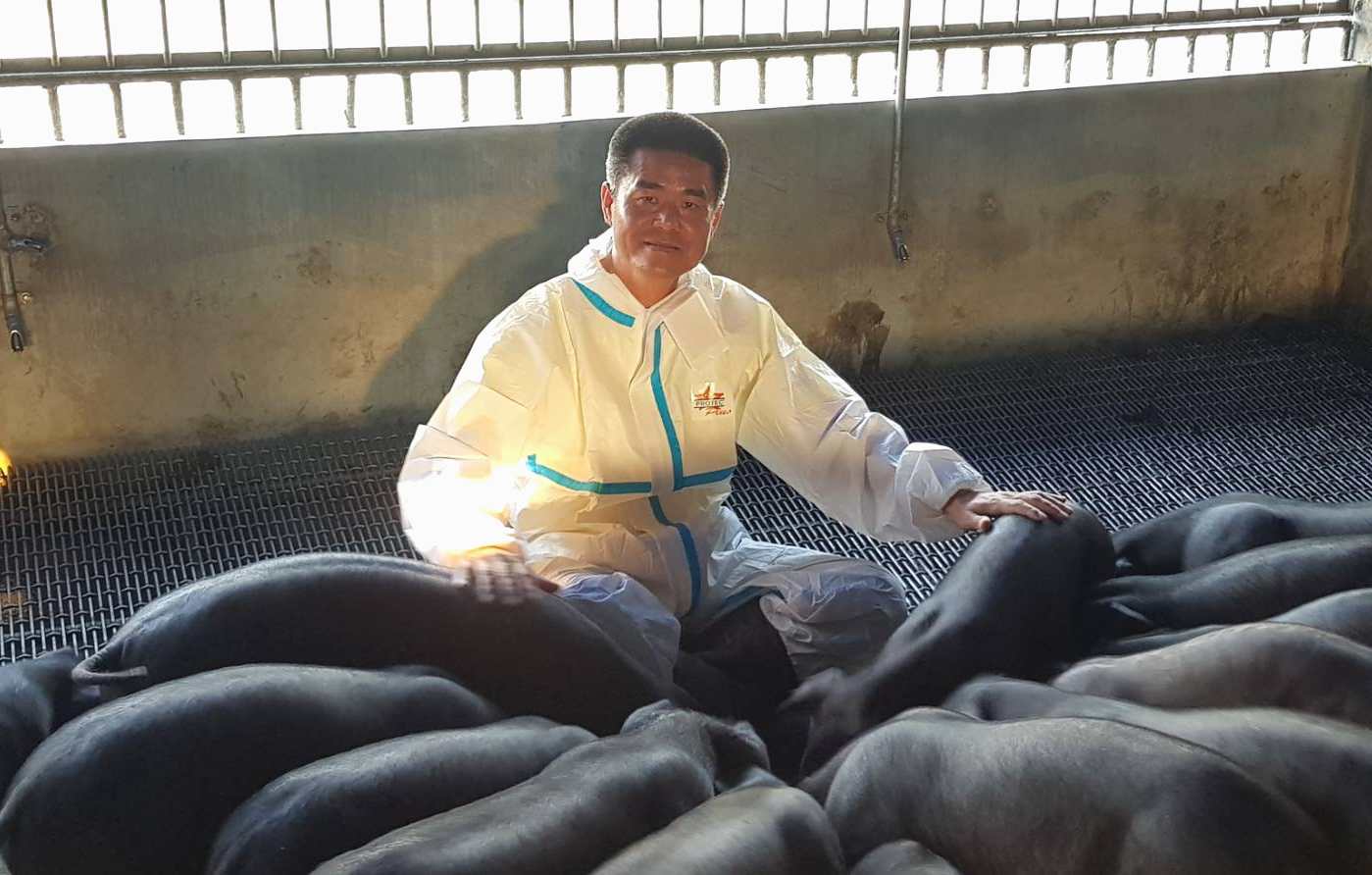
Black pigs undergo a more scientific transformation: the Livestock Research Institute develops dedicated feed, pig farmers look forward to more research and development
Facing the ferocious African swine fever, domestic pig farmers are under enormous disease-prevention pressure, and the local black pig industry, which mainly relies on kitchen waste for feeding, is hit first and hardest. In the future, when large amounts of kitchen waste are diverted to composting or biomass energy, how will the black pig industry respond? Do government agencies and private operators already have research and development plans for alternative feed?
The Council of Agriculture's Livestock Research Institute (abbreviated as "Livestock Research Institute") stated that it has developed low-protein high-fiber feed as well as kitchen-waste-like feed, controlling the protein content between 10-15%. The first-stage trial results are now out: there are no palatability concerns, and feed intake is also very good. In the future, it has the potential to move toward the higher-end meat market.
Tseng Jen-te, secretary-general of the "Taiwan Local Black Pig Self-Rescue Association," said that having an organization begin research and development on black pig feed is a good start, but it should not be a hasty measure behind a "kitchen waste ban"; rather, it should truly start from the nutritional formula and feeding needs required by black pigs. He also pointed out that black pig farmers are currently standing at an industry crossroads, and many pig farms that cannot keep up have already chosen to exit, leaving behind pig farmers who identify with the awareness of transformation. "We believe that even without kitchen waste, local black pigs still have a way to operate." He looks forward to the local black pig industry moving toward distinctive and refined industries such as Kagoshima black pigs in Japan and Iberian pigs in Spain.