-

How to praise the people around you appropriately without sounding like a flatterer
Have you ever praised the people around you in daily life? How can you praise in a way that is appropriate and does not come across as flattery?
-
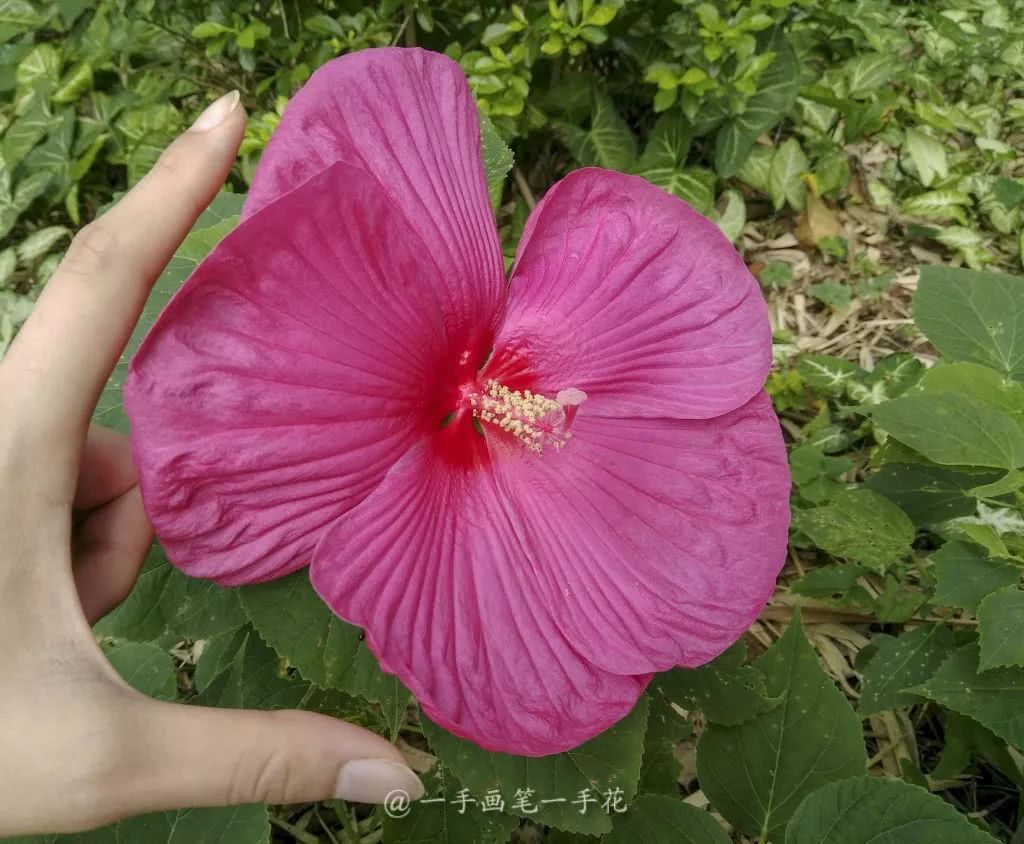
What is the difference between the big flat face of the rose mallow and the little dimple of the African mallow?
About the author: One Hand for Painting, One Hand for Flowers: Landscape architecture major, deeply in love with plants and nature since childhood, hoping to work with plants all along, in this world only beautiful flowers and delicious food are not to be let down, Weibo @One Hand for Painting, One Hand for Flowers. The Malvaceae family has similar...
-
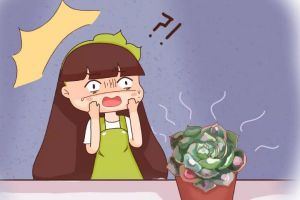
Succulents "wearing skirts" and "spreading into flat pancakes" in summer are all SOS signals
Huahua recently browsed our community and found that many flower lovers' succulents have already started "wearing skirts" and "spreading into flat pancakes." Both are growing succulents in high temperatures, so why have other people's succulents become plump little buns? It must be because you didn't do the following things. Hurry and take a look, and grow your succulents plump!
-
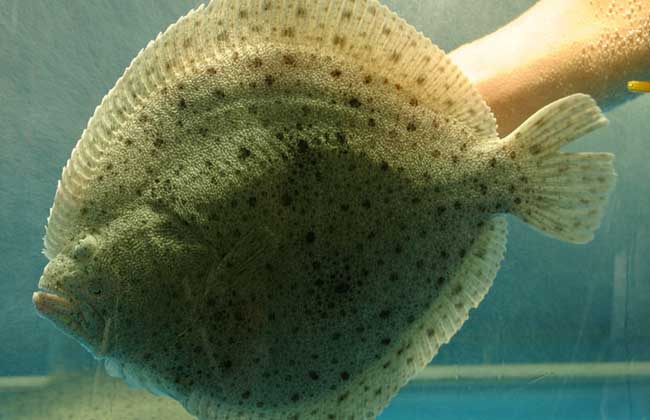
What are the differences between turbot, flounder, sinistral flounder, and flatfish?
The differences between turbot, flounder, sinistral flounder, and flatfish
-
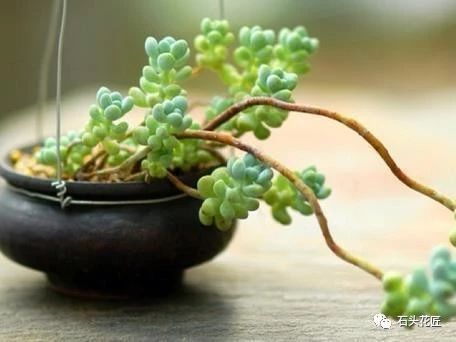
Don't rush to throw away succulents that have become leggy and flattened into a pancake in summer; with this treatment they'll become beautiful again
Anyone who has grown succulents knows that succulents easily become leggy in summer. What were once sturdy, upright plants, as you keep growing them, develop thin, pale yellow tips and a base that sprawls out into a big pancake. Once this happens, they're basically given a death sentence by their owner...
-
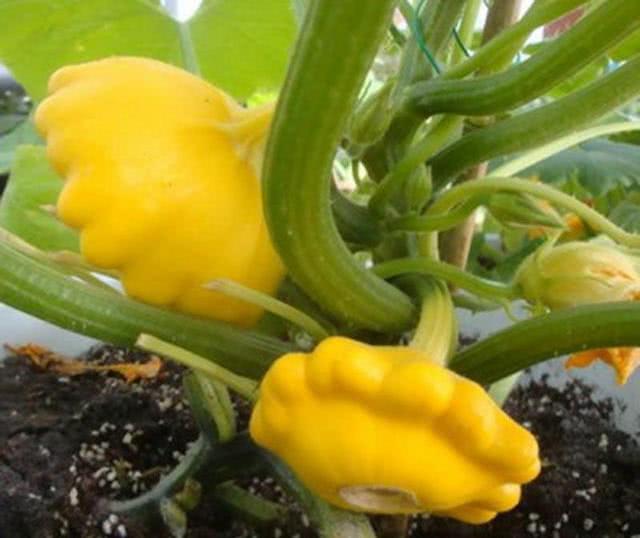
The flying saucer gourd, also known as disc gourd, dish-shaped gourd, toothed-edge gourd, and flat-round zucchini, is both ornamental and edible.
Flying saucer gourd (garden plant) The flying saucer gourd, also known as disc gourd, dish-shaped gourd, toothed-edge gourd, and flat-round zucchini, is a variety of Cucurbita pepo in the Cucurbitaceae family. Its fruit is both ornamental and edible, making it a rare dual-purpose...
-

-
Control Measures for Deformed Strawberry Fruits Such as Too-Thin, Too-Plump, Cockscomb-Shaped and Flat Fruits in Greenhouses
Control Measures for Deformed Strawberries in Greenhouses: Too-Thin, Too-Plump, Cockscomb-Shaped and Flat Fruits
-
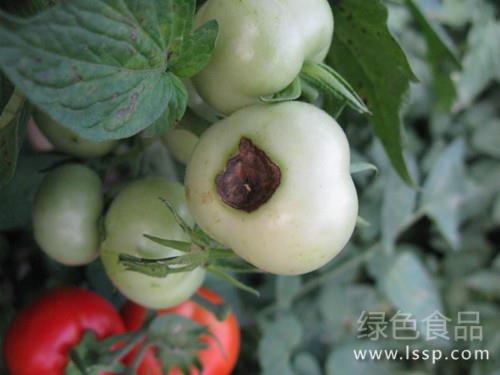
Tomato blossom end rot control methods: how to handle sunken, flattened black-brown spots at the blossom end
Sunken, flattened black-brown spots at the blossom end: control methods for tomato blossom end rot
-
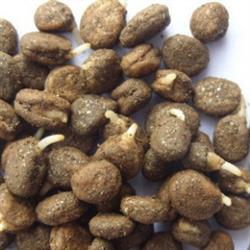
How should ginseng seeds be treated before flat-ground planting?
How should ginseng seeds be treated for flat-ground planting? Please explain the method. Before planting ginseng, you can refer to the following methods for treatment: after the water seeds are dried until the skin turns white, spread them in sunlight at a temperature of around 25°C and turn them for 30 minutes; this uses ultraviolet light to kill bacteria on the seed coat. Mix weathered sand (river sand also works, but it has a high bacterial content...) with ginseng seeds at a ratio of 5:1, keeping moisture between 15% and 18%, that is, it forms a ball when squeezed in the hand and breaks apart when released. Store the mixed ginseng seeds with moderate moisture in a jar or wooden box, or dig a pit in ground that does not accumulate water, wrap it with mesh netting, and build a rainproof and sun-shading shelter above. Before the seeds crack, control the temperature at 18°C-20°C. After the cracking rate reaches 80%, lower the temperature of the seed storage container to 13°C-15°C. Too high a temperature and too much moisture easily cause seed rot. Ginseng seeds stored in sand should be turned once every 10-15 days to ensure consistent moisture in the container. When moisture is low, supplement with a warm water spray; when moisture is high, dry them in the air promptly.
条件筛选