-
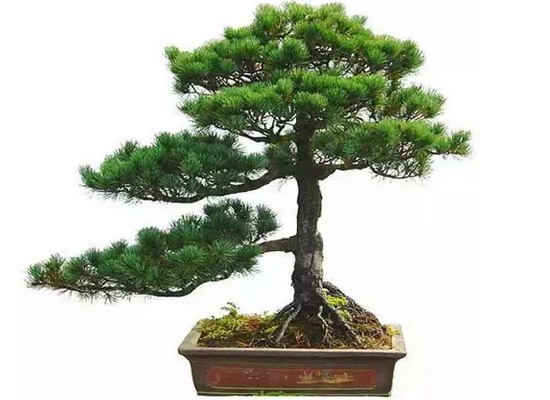
How to quickly create a five-needle pine bonsai? Detailed method
A five-needle pine bonsai requires seven or eight years or even decades of devoted cultivation. Can it be completed within three to five years? It is entirely possible. The method and steps are as follows: Method for making a small bonsai: In late winter and early spring, take a vigorous one-year-old Japanese black pine, first bind its trunk with fine lead wire into an S shape
-
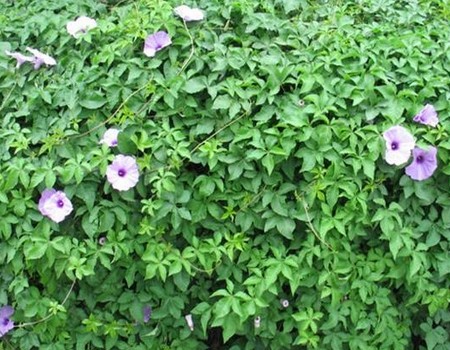
A Detailed Guide to the Cultivation Methods and Key Techniques for the Five-Leaf Akebia
Five-leaf akebia (Akebia quinata) is a common climbing flowering plant in summer and autumn, an excellent choice for vertical greening and small flower trellises, and can be used as a climbing material along hedges. Five-leaf akebia is a perennial herbaceous plant with twining stems that are grayish-green and often bear small wart-like bumps. The leaves are alternate, palmately 5-parted, with elliptic-lanceolate, entire leaflets. The solitary flowers grow in the leaf axils
-

Sourcing Methods and Cultivation Techniques for Five-Needle Pine Bonsai
The five-needle pine has vigorous, gnarled branches and trunks, dense foliage and short needles, lush green growth, and elegant form, making it a precious ornamental tree species for bonsai. It is suitable for viewing in all four seasons, and in the cold winter it remains as green as ever, which is especially valuable. During the growing season, the five-needle pine should not be kept indoors for long periods for viewing, otherwise, due to insufficient light and poor ventilation, it will suffer from disease
-
Autumn cultivation of edible fungi requires passing five critical stages successfully, with a detailed explanation of planting methods
Autumn production of edible fungi requires passing "five stages"
-
Five key steps for winter care of clivia, and methods for preventing and controlling edible fungus pests and diseases
Five key steps for winter care of clivia
-
How to prevent and control edible mushroom diseases? Five-step control method for flower gray mold
Five steps to control flower gray mold
-
Notes on watering edible fungi, five causes of yellowing leaves in flowers, and remedies
Five causes of yellowing leaves in flowers and remedies
-
High-yield cultivation techniques for edible fungi and five factors affecting the emergence rate of flower seeds
Five factors affecting the emergence rate of flower seeds
-
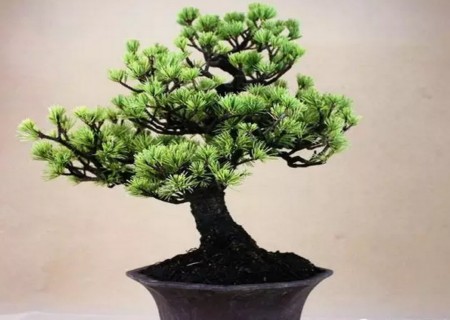
How should you water a five-needle pine bonsai? Practical watering tips shared
The five-needle pine has an upright posture and is a tree species with high ornamental value. It is suitable both for decorating gardens and as an important species for potted plants or bonsai. In bonsai making, the tree's posture must be maintained well and the growth of branches and leaves controlled, so as to achieve a shape with short, dense and vigorous branches and leaves. Today the editor will introduce the watering techniques for five-needle pine bonsai.
-
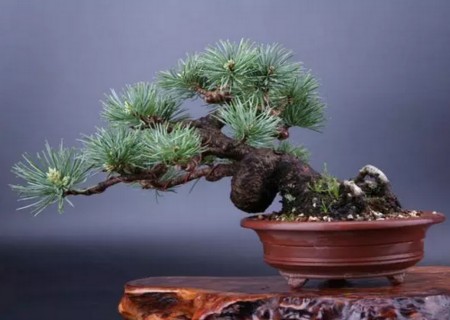
How to Fertilize Five-Needle Pine Bonsai? Detailed Methods and Tips
This tree species is one of the more precious among five-needle pines, generally used as bonsai material, rarely grown in the ground. Five-needle pine has low fertilizer requirements, and fertilization should not be excessive or too concentrated. Too much fertilizer will cause leggy shoot growth and longer needles, detracting from its ornamental value. Five-needle pine is relatively cold-tolerant and shade-tolerant, preferring well-drained, slightly acidic soil
条件筛选