-

How to Propagate Phalaenopsis Orchids? A Detailed Guide to Five Common Propagation Methods
Phalaenopsis is an epiphytic orchid. When it blooms, it looks like butterflies dancing, very beautiful, which is why it has earned the lovely name "Queen of Orchids." However, Phalaenopsis has relatively strict cultivation requirements, so special attention must be paid to cultivation methods when growing them artificially.
-
What are the propagation methods for wisteria? A detailed introduction to five propagation methods
Wisteria has strong adaptability, and its reproductive capacity is also very strong. It can be propagated by many methods. The more commonly used methods are sowing and cuttings, but because sowing takes a relatively long time, flower lovers tend to choose the cutting propagation method more often
-
How to control gray mold in poinsettias? Try these five methods
In a previous article, we introduced the care methods for poinsettias. In fact, poinsettias are quite prone to gray mold. Gray mold not only affects the appearance of poinsettias, but in severe cases, the diseased spots on poinsettias become dry and shriveled, completely losing their ornamental value.
-
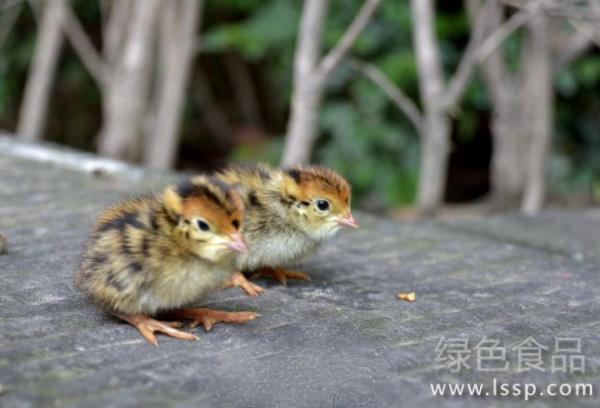
High-Profit Quail Farming: A Detailed Guide to Five Brooding and Incubation Methods
High-Profit Quail Farming: Introduction to Five Brooding and Incubation Methods
-
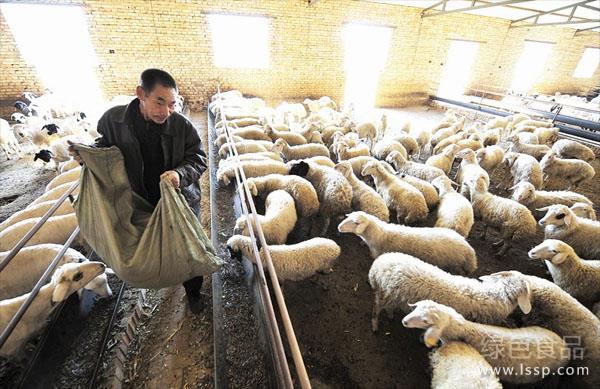
The five methods to master when selecting breeding rams at the most critical stage of reproduction
The five methods to master when selecting breeding rams at the most critical stage of reproduction
-
Practical Five-Feeding Methods for Sows During Lactation
① Feeding sows feed fermented with yeast has a good milk-promoting effect. ② Feed green fodder that stimulates lactation, such as sugar beet roots and their leaves, raw potatoes, etc. ③ Wash the sow's afterbirth clean, then boil it into soup and feed it to the sow. ④ Take 40 grams of cowherb seed (Vaccaria hispanica), 30 grams each of akebia stem (Akebia quinata), safflower (Carthamus tinctorius), and common burreed tuber (Sparganium stoloniferum), 50 grams of medicated leaven (Massa Medicata Fermentata), and 20 grams of red peony root (Paeonia lactiflora), mix them, add water, and decoct into a liquid; give 1 dose per day, divided into 2 feedings, for 2 to 3 consecutive days. ⑤ In the early stage of lactation, boil small fish and small shrimp into soup, mix it into the feed, and feed it to the sow; this can significantly increase milk yield, with results seen by the 2nd day.
-
What to Do About Embryo Resorption in Sows? Five Prevention and Treatment Methods to Help You Solve It
In pig farming, a low farrowing rate in sows is a common problem. Besides a low fertilization rate, early embryonic death during development followed by resorption by the sow (commonly known as embryo resorption) is also an important cause. This difficult problem can be solved through the following methods. 1. Strengthen the feeding and management of open sows: 3 to 14 days before mating, increase protein feed and energy feed, and add minerals and vitamins at the same time, so that they enter the optimal mating state more quickly; for open sows in poorer body condition, a longer period before mating
-
How can the efficacy of fishery drugs be improved? Master these five methods
Improve the binder The binder must be highly sticky, otherwise the drug will easily disperse and be lost in the water. Standard wheat flour is a relatively good binder material. For swallowing fish, it is best to make pelleted medicated bait or ball-shaped medicated bait for feeding. Add a feeding attractant Fish have a keen sense of smell; even if 1 gram of alanine is dissolved in 1 million liters of water, fish can still detect it. For example, if strongly aromatic Chinese herbal medicines such as star anise and Angelica dahurica are ground into fine powder to make a feeding attractant, and mixed into fishery drugs at a ratio of 10%-20%, or added to roasted soybean powder, wheat flour, etc., all have obvious feeding-attractant effects
-
How to kill scarab beetles? Five effective control methods
The larvae of scarab beetles, commonly known as chicken-manure grubs, gnaw at the roots of seedlings. Besides biting through lateral roots and the main root, they can also strip and devour the root bark completely, causing missing seedlings and broken rows, and in severe cases even disastrous damage. Adult scarab beetles feed on both leaves and flowers, and they reproduce extremely quickly, so they can easily harm seedlings. They are a common major pest in forestry. The period when adults cause rampant damage is roughly from June to October, and this is the best time for control: it both controls the damage caused by adults and keeps the next generation's population density in check, yielding twice the result with half the effort.
-
How can the efficacy of fishery drugs be improved? These five methods must be mastered
Improve the binder The binder must be highly sticky, otherwise the drug is easily lost in the water. Standard wheat flour is a good binder material. For swallowing fish, it is best to make pelleted medicated bait or ball-shaped medicated bait for feeding. Add a feeding attractant Fish have a keen sense of smell; even if 1 gram of alanine is dissolved in 1 million liters of water, fish can still detect it. For example, if strongly aromatic Chinese herbal medicines such as star anise and Angelica dahurica are ground into fine powder as a feeding attractant, and mixed into fishery drugs at a ratio of 10%-20%, or added to roasted soybean powder, wheat flour, etc., all have obvious attractant
条件筛选