- 网站首页
- Livestock Farming
- High-Profit Quail Farming: A Detailed Guide to Five Brooding and Incubation Methods
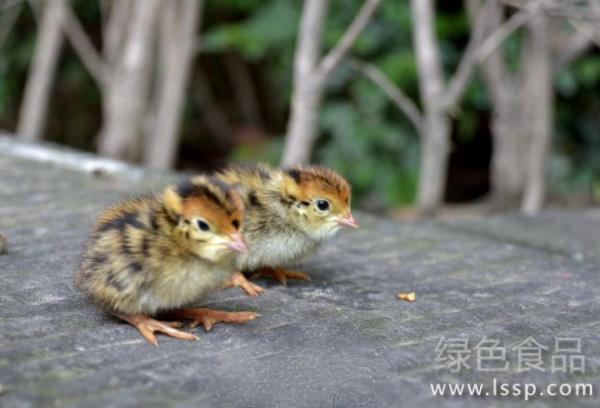
Quail
The quail is a poultry bird with excellent food value, providing humans with protein-rich foods - quail meat and quail eggs - which are processed into all kinds of food products and sold in the market, making them one of the most popular foods. Quail eggs and meat are nutritious, high in protein and low in cholesterol; quail meat is tender and rich in amino acids, and also has considerable medicinal value. It is widely recognized nationwide as a precious food and tonic, and is known as the "animal ginseng."
For quail incubation methods, the most important thing is to pay attention to keeping warm.
I. Natural Incubation Method
1. Choose a small-bodied hen with a strong brooding instinct to hatch the eggs, and 30-40 hatching eggs can be incubated at one time. In the early stage of incubation, when the hen leaves the nest to eat, if the temperature is relatively low, a cotton blanket or similar should be placed over the nest to keep it warm. During incubation, prevent the hen from stepping on and breaking the hatching eggs.
2. Use a pigeon to hatch the eggs, and 6-8 hatching eggs can be placed in each time. Method: after the pigeon lays eggs and is about to start incubating, take out the pigeon eggs and put in the quail eggs. After the quail chicks hatch, take them out promptly and place them in a brooder.
II. Hot Water Vat Incubation Method
Use one water vat and one aluminum tray of matching diameter, plus cotton quilts for insulation, to carry out incubation. Place 30-40 hatching eggs into a small mesh bag, then put it into the aluminum tray. Wrap the outside of the water vat tightly with cotton wadding or similar for insulation, and put 50°C-70°C warm water inside, with the water level kept below the point where it would touch the bottom of the aluminum tray placed on top. Place the aluminum tray on the water vat, then cover it with a cotton quilt. At the start of incubation, the temperature inside the vat can be slightly higher, and at the same time there is a relatively large temperature difference between the eggs at the edge and those in the middle of the tray, so turn the eggs several more times until the egg temperature is basically uniform, then turn the eggs once every 4-6 hours. The water in the vat is generally changed 1-2 times a day, changing only part of the water each time. During incubation, a thermometer can be placed in the aluminum tray to monitor temperature changes.
III. Electric Blanket Incubation Method
First spread a layer of cotton wadding under the electric blanket, then cover the blanket with a layer of cotton blanket, and place several square wooden sticks of 3-5 cm across on top; place the egg tray on the wooden sticks, stacking 2-3 layers, cover with a cotton quilt, then switch on the power to heat. 10-12 hours after incubation begins, check the temperature once every 30 minutes; afterward, control the temperature by switching the electric blanket on and off, turning the eggs, cooling the eggs, and adjusting the thickness of the covering quilt. Turn the eggs 5-6 times a day.
IV. Heated Kang Incubation Method
This is an incubation method suitable for use in northern regions. Build an adobe heated kang, then incubate quail eggs on the kang bed; the method is basically similar to the electric blanket method.
V. Machine Incubation Method
There are many types of incubators sold on the market, and any incubator used for poultry eggs can be used to hatch quail, simply by changing the egg-holding spacing on the egg tray to 2.6 cm.
- 请使用count标签查询 Industry News
- 请使用count标签查询 Agricultural Machinery
- 请使用count标签查询 Edible Gardening
- 请使用count标签查询 Grain Crops
- 请使用count标签查询 Fruit Tree Cultivation
- 请使用count标签查询 Flower Cultivation
- 请使用count标签查询 Macadamias
- 请使用count标签查询 Agricultural Products
- 请使用count标签查询 Pests & Diseases
- 请使用count标签查询 Flowers & Gardening
- 请使用count标签查询 Soil & Composting
- 请使用count标签查询 Vegetables
- 请使用count标签查询 Agricultural Technology
- 请使用count标签查询 Growing Techniques
- 请使用count标签查询 Succulents
- 请使用count标签查询 Agriculture Encyclopedia
- 请使用count标签查询 Flowers
- 请使用count标签查询 Plants
- 请使用count标签查询 News
- 请使用count标签查询 Birds
- 请使用count标签查询 Policy
- 请使用count标签查询 Fertilizer
- 请使用count标签查询 Pesticides
- 请使用count标签查询 Nursery Stock
- 请使用count标签查询 Mushroom Cultivation
- 请使用count标签查询 Medicinal Herb Cultivation
- 请使用count标签查询 Fodder & Green Manure
- 请使用count标签查询 Livestock Farming
- 请使用count标签查询 Apple Cultivation
- 请使用count标签查询 Coffee Cultivation
- 请使用count标签查询 Organic Farming
- 请使用count标签查询 Avocados
- 请使用count标签查询 Green Manure
- 请使用count标签查询 Orchids
- 请使用count标签查询 Livestock Farming
- 请使用count标签查询 Melons & Fruits
- 请使用count标签查询 General News
- 请使用count标签查询 Watermelons
- 请使用count标签查询 Oranges
- 请使用count标签查询 Wax Apples
- 请使用count标签查询 Tomatoes
- 请使用count标签查询 Strawberries
- 请使用count标签查询 Pears
- 请使用count标签查询 Cherries
- 请使用count标签查询 Passion Fruit
- 请使用count标签查询 Mangoes
- 请使用count标签查询 Dragon Fruit
- 请使用count标签查询 Blueberries
- 请使用count标签查询 Pepino Melons
- 请使用count标签查询 Pomelos
- 请使用count标签查询 Lychees
- 请使用count标签查询 Bird's Nest Fern
- 请使用count标签查询 Bananas
- 请使用count标签查询 Pothos
- 请使用count标签查询 Pineapples
- 请使用count标签查询 Figs
- 请使用count标签查询 Koi
- 请使用count标签查询 Lemons
- 请使用count标签查询 Cacti
- 请使用count标签查询 Muskmelons
- 请使用count标签查询 Goji Berries
- 请使用count标签查询 Sugarcane
- 请使用count标签查询 Soybeans
- 请使用count标签查询 Rice
- 请使用count标签查询 Cyclamen
- 请使用count标签查询 Peaches
- 请使用count标签查询 Jujubes
- 请使用count标签查询 Sugar Apples
- 请使用count标签查询 Plums
- 请使用count标签查询 Wampees
- 请使用count标签查询 Waxberries
- 请使用count标签查询 Longans
- 请使用count标签查询 Custard Apples
- 请使用count标签查询 Guavas
- 请使用count标签查询 Kiwis
- 请使用count标签查询 Grapes
- 请使用count标签查询 Mulberries
- 请使用count标签查询 Plant Pests & Diseases
- 请使用count标签查询 Salaks
- 请使用count标签查询 Persimmons
- 请使用count标签查询 Starfruit
- 请使用count标签查询 Mint
- 请使用count标签查询 Mangosteens
- 请使用count标签查询 Durians
- 请使用count标签查询 Papayas
- 请使用count标签查询 Cilantro
- 请使用count标签查询 Sweet Potatoes
- 请使用count标签查询 Bitter Melons
- 请使用count标签查询 Chili Peppers
- 请使用count标签查询 Ginger
- 请使用count标签查询 Millet
- 请使用count标签查询 Pumpkins
- 请使用count标签查询 Herbs
- 请使用count标签查询 Peanuts
- 请使用count标签查询 Cauliflower
- 请使用count标签查询 Loquats
- 请使用count标签查询 Coffee Cultivation
- 请使用count标签查询 Winemaking
- 请使用count标签查询 Organic Tea Garden
- 请使用count标签查询 Tea
- 请使用count标签查询 Seed Industry
- 请使用count标签查询 Livestock Farming
- 请使用count标签查询 Aquaculture
- 请使用count标签查询 Specialty Farming