-

How to keep parrot fish, and should salt be added to the water?
When keeping fish, first keep the water, especially for more delicate fish species like goldfish. And because parrot fish like fresh water quality, some people try changing some of the water in the tank every day, but this is actually not a good method; no fish can have its water changed every day. Everyone should ⟦4 <p>When keeping fish, first keep the water, especially for more delicate fish species like goldfish. And because parrot fish like fresh water quality, some people try changing some of the water in the tank every day, but this is actually not a good method; no fish can have its water changed every day. If you want to keep your fish well, you should pay even more attention to regulating the water temperature, and the pH of the water especially must be balanced.</p><p></p><p><strong>How to keep parrot fish</strong></p><p>1. After small blood parrot fry are born, they do not have any of the characteristics of blood parrots at all; instead, they look somewhat like ordinary Central and South American cichlid species. After about 20 days of rearing, the appearance of the small blood parrots will gradually change, the muscles on the top of the head and back will gradually bulge, the thickness will also begin to increase, and the body color will slowly change from striped black to gray-silver.</p><p>2. Another characteristic of blood parrots is their cute, round, plump shape, but this is not caused by eating a lot of feed. If you want to cultivate such round and plump blood parrots, you should start from two major directions: first, provide sufficient food for their development during the fry stage, and second, choose feed with a protein content of around 32%, a high-protein feed.</p><p>3. Insufficient oxygen content in the water is the first thing blood parrots cry out for help about. Generally, blood parrots on the market are roughly divided into three grades: special A grade, A grade, and B grade. Of course, there will be different price differences according to different grades. The lifespan of blood parrots can be as long as 4 to 5 years, but a blood parrot around three years old is already considered old.</p><p></p><p><strong>Should salt be added to the water for keeping parrot fish</strong></p><p>1. If using salt, it is best to use coarse salt or special aquarium salt. Do not use seasoned salt containing additives, such as iodized salt; do not use seasoned salt. The salt should be dissolved in advance and roughly filtered before adding. The salt concentration should be gradually increased over 1-2 days to avoid causing osmotic pressure shock in the fish.</p><p>2. Safe concentration for using salt: the salt concentration must reach 0.3%-0.5% to play a role in regulating osmotic pressure. This concentration is very safe for the vast majority of fish. Some fish, for example some soft-water fish species and some catfish, are very sensitive to sodium chloride, so salt must be used carefully. Simply put, the role of salt is to regulate the osmotic pressure of the water. By regulating osmotic pressure, the condition of the fish is adjusted so that the fish can grow healthily.</p><p></p><p><strong>How to condition the water for parrot fish</strong></p><p>1. Temperature control: during the rearing process, it is best to keep the water temperature within the range of 25-28°C. The temperature difference before and after each water change should not exceed 0.5°C.</p><p>2. Water quality control: parrot fish relatively like new water, and as much as possible 1/5 of the new water should be changed every day. If the water quality is weakly acidic and clear, then do not change the water frequently. Due to genetic factors, the respiratory system of parrot fish is not complete enough, and its effectiveness is only half that of other fish, so parrots need much higher dissolved oxygen in the aquarium.</p><p></p><p>3. Because parrot fish are born with lips that cannot close, their ability to control the intake and output of water flow is relatively poor, the water flow passing through the gills is relatively small, and their ability to exchange oxygen through the water flow and gills is much worse than that of their paternal and maternal parents and other fish. Therefore, the water body for keeping parrot fish must have sufficient oxygen.</p><p></p><p><strong>What to pay attention to when keeping parrot fish</strong></p><p>1. Red parrots can be fed once or twice a day. There are several possibilities for parrot fish turning black or developing black spots. Parrot fish will also develop black spots when frightened, and they will disappear after a period of time. Poor water quality or unsuitable water quality can also cause this. When water quality is poor, water changes should be strengthened. If the water quality is unsuitable, the water should be changed immediately and the water quality adjusted well.</p><p>2. During this period, pay more attention to water quality and feed. If you want the red parrot's color to be more beautiful, feed more shrimp or red-enhancing feed such as Baozeng Hong. How much water to change each time and how often to change it depends on how dirty your water is. Most people change 1/3, and of course 1/4 is also acceptable; there is no fixed standard. If the fish tank filtration is good, then carrying out a partial water change (1/3) once a week is enough, and carry out a full water change once every one or two months.</p><p></p><p>There is no need to add salt to the water for keeping parrot fish, because it is a freshwater fish, and in their growth environment it is not like the ocean. However, if parrot fish become sick, then appropriately adding some coarse salt or special aquarium salt can change the growth environment of the fish somewhat and help the fish recover their health.</p>
-
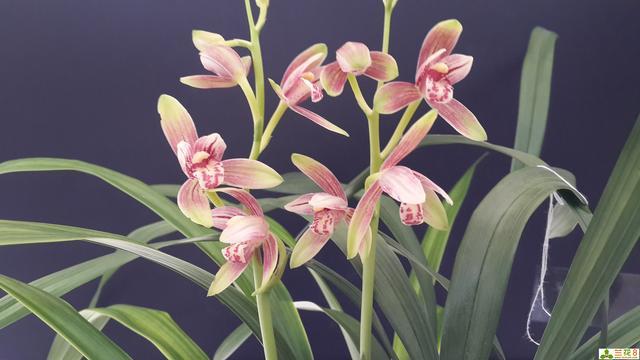
Grow orchids, first cultivate your mind; only by keeping a calm mind can you grow orchids well.
The Sixth Patriarch Huineng's enlightenment verse: Bodhi is fundamentally no tree, the bright mirror is also not a stand; originally there is not a single thing, where could dust ever cling? Orchids originally grew in mountain valleys and forests; humans created orchid culture centered on petal-type theory, endowing them with profound cultural attributes, and how many timeless lines have been passed down using flowers to express noble aspirations...
-
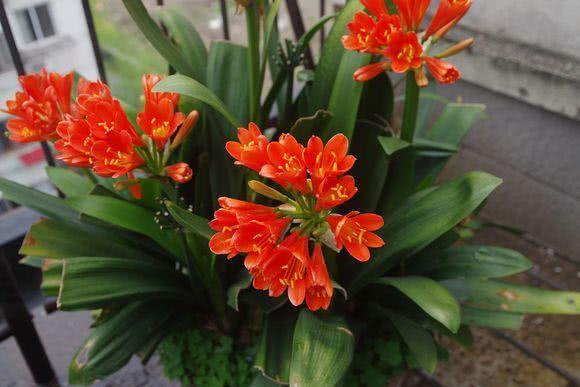
Clivia: grow the roots first, and repot on schedule so it keeps growing nonstop
Clivia can be said to be the top-choice plant for flower lovers. Just like at Huahua's home, whatever else we may not grow, there will always be two pots of clivia. Because its glossy green leaves are so elegant and imposing, especially at the moment its flower scape pushes out, it is full of...
-

A first-floor home with a terrace garden where you can also keep small animals, it is truly comfortable to live in
My love for gardening goes back 7 years. Once I visited a friend's second-floor home to hang out. She had a small yard planted with lots of vegetables and flowers. I was captivated by that little yard at the time, and I felt especially at ease and relaxed in the yard, as if a heart locked up by steel and concrete...
-
First-Time Rabbit Keeping Guide: How to Choose Healthy Breeding Stock and Control the Scale of Your Operation
For first-time rabbit keepers, pay attention to the health of the breeding stock and the scale of the operation
-
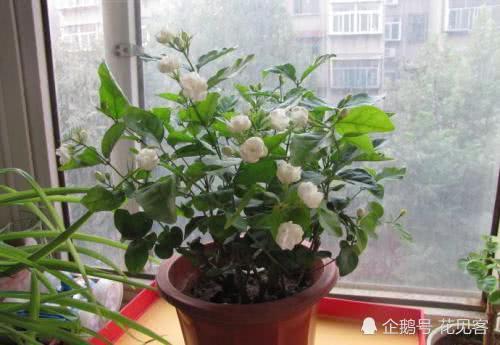
After the jasmine blooms for the first time, use this as a top dressing, and it will keep budding and blooming without interruption.
Jasmine is a very common flower, deeply loved by gardening enthusiasts, and is famous for its rich fragrance and long blooming period. It has the reputation of "one plant can perfume a whole room," and its flowers can also be used to make tea and medicine. Jasmine's blooming period mainly...
-
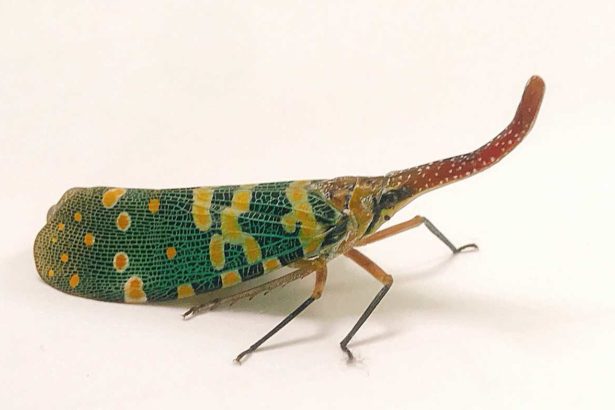
Brightly colored longan lanternfly appears in Taiwan, China for the first time, harming agriculture; please report sightings and do not keep them as pets
Must-read! The brilliantly colored "longan lanternfly" has been spotted in Taiwan, China for the first time, and it harms agriculture; if you see it, please report it and do not keep it as a pet
-
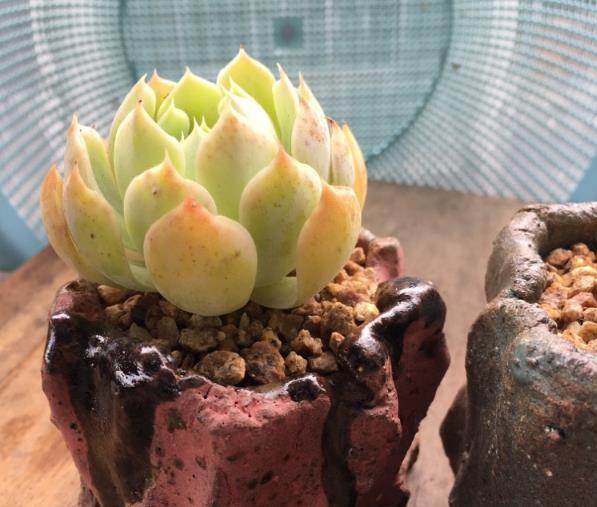
How do succulents quickly adjust to their pots? First fix the roots so they can keep growing
The first step is root trimming. During digging and transport, the root system inevitably gets damaged. Root trimming means cutting off those completely dried-out, dead roots, as well as broken roots and overly dense fine roots. After cutting, new wounds will form...
条件筛选