Clivia: grow the roots first, and repot on schedule so it keeps growing nonstop
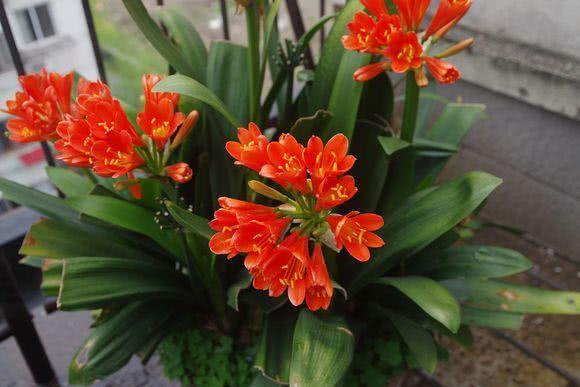
Clivia can be said to be the top-choice plant for flower lovers. Just like at Huahua's home, whatever else we may not grow, there will always be two pots of clivia. Because its glossy green leaves are so elegant and imposing, especially at the moment its flower scape pushes out, it is full of a sense of accomplishment!
When we grow clivia, we will likewise run into all kinds of problems, but for a plant grower, solving problems is simply routine. Yet the most important thing is actually growing its roots well. As long as its roots are intact, every problem will have a way to be solved.
And the best way to check the condition of clivia's root system is repotting, generally once about every two years. This will benefit its growth and flowering, and if there are many plants we can also divide them. So let's hurry and follow Huahua to see how to divide and repot them!
First, we need to take the clivia out of the flowerpot. Remember not to do this repotting during its flowering period, and also choose to do it on a cool day, as this will help its later recovery. In addition, do not water it for a few days before repotting; this not only helps the plant come out of the pot, but also serves to protect the roots to some extent.
Next we need to clean off the old soil, then check whether the roots have any rot or damage, cut off the dead roots, and by the way clean off the old leaves below. If dividing, we need to use a tool to cut them apart from the middle. And soak them in a disinfecting solution for about two hours. After taking them out, first place them in a ventilated spot on the balcony to air-dry for about two days, and remember to avoid rainy weather!
Now we begin choosing new soil and a new pot. For the soil, just choose a loose, breathable original soil; as for the size of the pot, it must be decided according to the plant. Before putting in the soil, we should first place a few pieces of tile at the bottom of the flowerpot; this will enhance drainage and thereby reduce the occurrence of root rot.
Finally we can plant the divided clivias separately into flowerpots. When filling with soil, be careful to keep the plant upright, otherwise it can easily end up growing crooked. Then we need to give it one thorough watering and place it in a semi-shaded, ventilated spot for care, waiting for it to slowly resume growth.
Because this period is the process of it adapting to the new pot, absolutely do not fertilize it. After some time, if you find its leaves continue to be glossy green and shiny, that shows it has already adapted and shows no adverse reaction, and then you can care for it normally!
On the whole, clivia is still fairly tough. It likes a warm environment. If grown on a balcony, apart from having to move it indoors in winter to avoid the cold, it is fine the rest of the time. Also, take care to shade it in summer, otherwise the leaves can easily be scorched.
Besides normal watering, we should also often spray the leaves or wipe them with a towel, so as to maintain the degree of gloss on the leaves. Watering should also be done in the early morning or evening, avoiding the high temperatures at noon. Also, summer is the rainy season, so be sure to avoid rain. If it is light rain, it does not matter much, but if it rains continuously, then we must promptly drain the water out of the pot, otherwise its roots cannot breathe and will be "smothered to death"!
The most important point is that in this hot weather, we must stop fertilizing it, otherwise it will backfire and cause its roots to rot directly!